A Google study found that teams who feel safe speaking up are dramatically more innovative—yet in many offices, people still whisper feedback in hallways. In one meeting, a risky idea gets praised; in the next, a smaller suggestion gets shot down. Why does the culture flip?
Some organizations treat feedback like a performance fire alarm—pulled only when something’s gone wrong. Yet the research points in the opposite direction: when feedback is routine, low‑stakes, and two‑way, trust deepens and performance climbs. In high-performing teams, people don’t wait for annual reviews; they trade quick course‑corrections the way cyclists call out potholes to keep the whole group upright and moving fast.
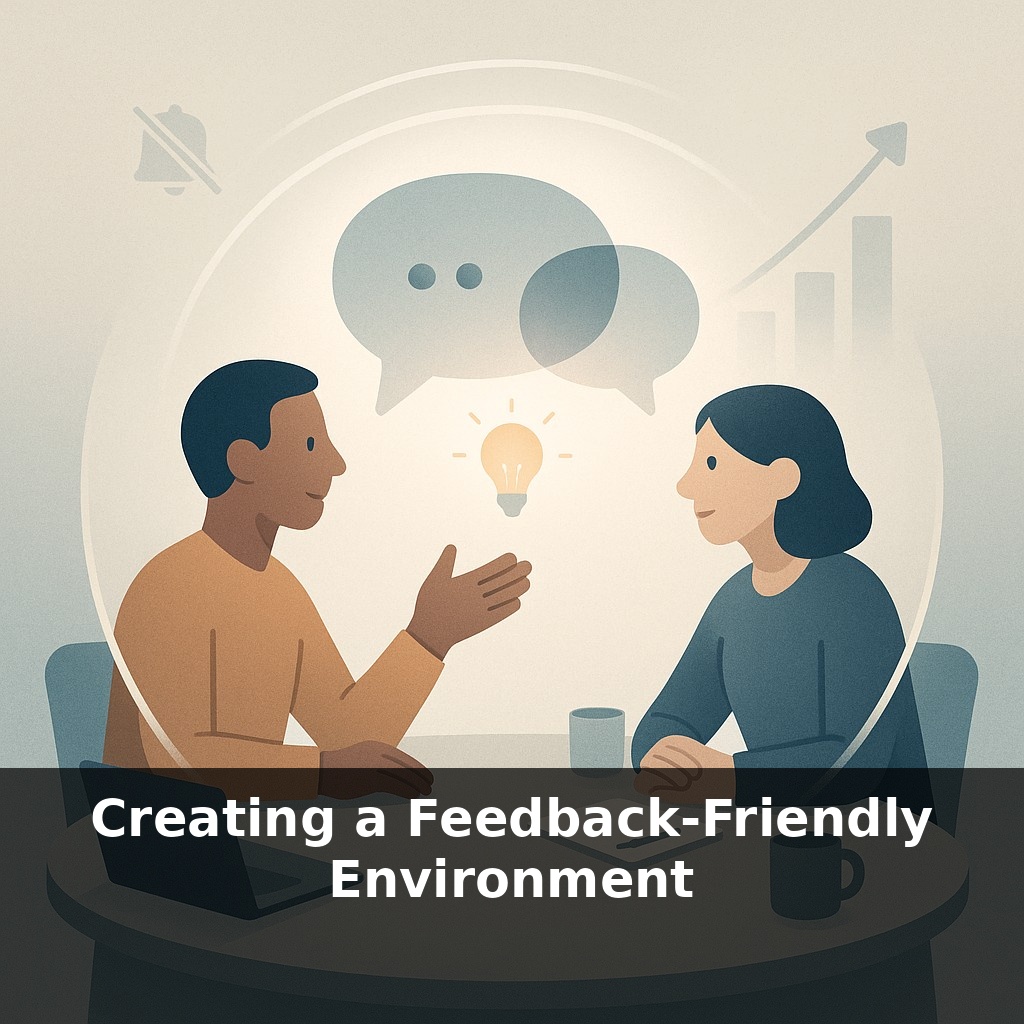
But that kind of environment doesn’t appear by accident. It’s the result of three deliberate design choices: leaders who invite critique instead of deflecting it, simple systems that make feedback easy to give and track, and shared norms that treat “here’s how we can improve” as a daily practice, not a personal attack. In this episode, we’ll unpack how to put those pieces in place so feedback feels expected, safe, and genuinely useful.
Instead of asking, “Do we have a feedback culture?” a sharper question is, “Where, exactly, does feedback reliably happen here—and where does it disappear?” In many organizations, feedback clusters around formal rituals: performance reviews, project post‑mortems, maybe a quarterly survey. Everywhere else, it’s ad hoc at best. That patchiness matters. People quickly learn which rooms, tools, and relationships are “safe” for honesty and which aren’t. To shift from pockets of candor to a genuinely feedback‑friendly environment, you need to redesign those everyday touchpoints, not just people’s attitudes.
Think of your workplace as a complex product that people “use” dozens of times a day: meetings, tools, chat threads, 1:1s, project handoffs. Each of those touchpoints either nudges feedback to happen—or makes it just a bit harder and riskier, so people silently skip it. Designing a feedback‑friendly environment means treating those micro‑moments like UX flows: where do users currently drop off, and what would make the next step almost frictionless?
Start with clarity about *where* feedback is expected. High‑engagement organizations don’t rely on “speak up anytime.” They specify: “Every Monday stand‑up includes a 5‑minute ‘what to adjust this week’ segment.” “Every project retro: one thing I’ll do differently, one request from the team.” When times, formats, and ownership are explicit, feedback stops feeling like a personal interruption and starts feeling like part of the job.
Next, make the *path* to giving and receiving feedback concrete. Vague prompts like “Any feedback for me?” yield vague answers. Specific prompts yield actionable insight: - “What’s one thing I could stop doing that would make collaboration easier?” - “What’s one behavior I should do more of after this presentation?” Teams that agree on 2–3 standard questions per interaction create a common language; people waste less energy figuring out *how* to say something and more energy on *what* will help.
Then, connect feedback to decisions and outcomes. When suggestions vanish into a black box, people quickly learn that speaking up is performative, not productive. Close the loop visibly: “We changed the client deck flow based on last week’s comments; here’s the impact on their response.” That linkage trains everyone to see feedback as an investment with a return, not a risk with no upside.
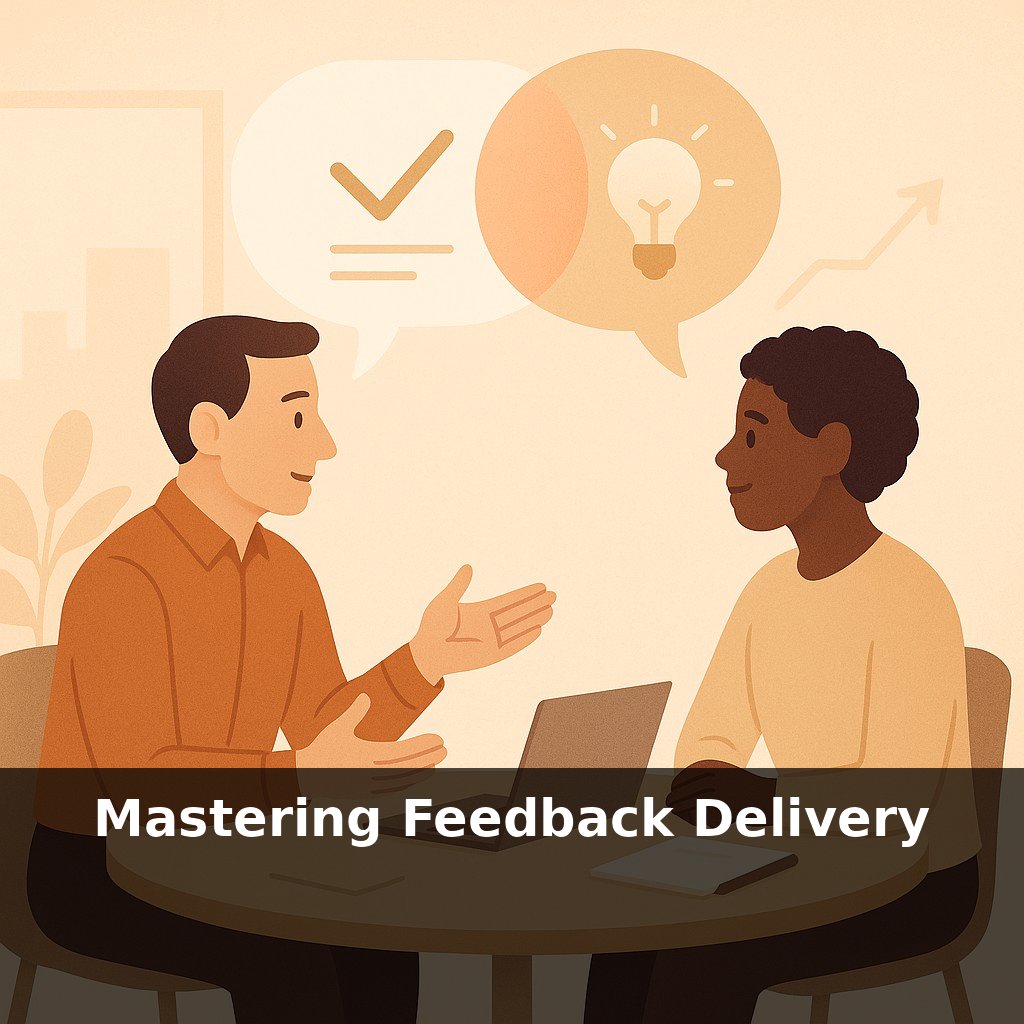
Finally, normalize “upward” and peer feedback through small, repeatable rituals. Leaders can open meetings with, “Before we start, what’s one way I could run this differently next time?” and actually take notes. Peers can end collaboration cycles with a 10‑minute, camera‑on debrief focused on behaviors, not personalities. Over time, these patterns shift the default from silent evaluation to shared improvement.
At Spotify, squads don’t wait for quarterly reviews to surface tensions. They run “health checks” where each member quietly scores how collaboration feels, then the group talks through patterns. No one defends; they just ask, “What would move this one step greener next sprint?” The focus stays on experiments, not blame.
You can steal this idea in miniature. After a tough meeting, ask two colleagues to rate (1–5) how clearly decisions were made, then compare notes. The numbers make it easier to talk about the experience without attacking anyone’s style.
A good feedback system resembles a software deployment pipeline: small, frequent releases with immediate monitoring beat rare, high‑stakes launches. Teams that ship feedback in tiny increments—“let’s tweak how we prep for client calls this week”—adapt faster because nothing is too big to touch.
Notice how the strongest setups bake feedback into calendars and tools instead of relying on heroic spontaneity. When the environment does the prompting, individuals don’t have to be unusually brave to speak up.
AI will soon act like a real-time “coach in the loop,” spotting patterns in tone, timing, and collaboration and nudging people toward better conversations. That power cuts both ways: used well, it highlights strengths as often as gaps; used poorly, it feels like constant surveillance. As work becomes more fluid and project-based, portable feedback histories may matter as much as résumés, making your ability to give and receive feedback a visible, career-defining asset.
Over time, this kind of environment reshapes careers: people become known not just for output, but for how they tune others’ thinking. Projects move more like a well‑coached sports team—short huddles, clear calls, quick resets—rather than solo performances. The real edge goes to those who can both offer and absorb insight without bracing for impact.
Here’s your challenge this week: Choose one meeting you already have scheduled and kick it off by saying, “I’m experimenting with making our culture more feedback-friendly—can you share one thing I should keep doing and one thing I could do differently as your manager/teammate?” Capture their words in the moment by repeating back what you heard (“So what I’m hearing is…”), then confirm what a “better” version would look like in their eyes. Before the end of that same day, circle back to that person with a short update on exactly how you’re going to test their suggestion in the next meeting or project.