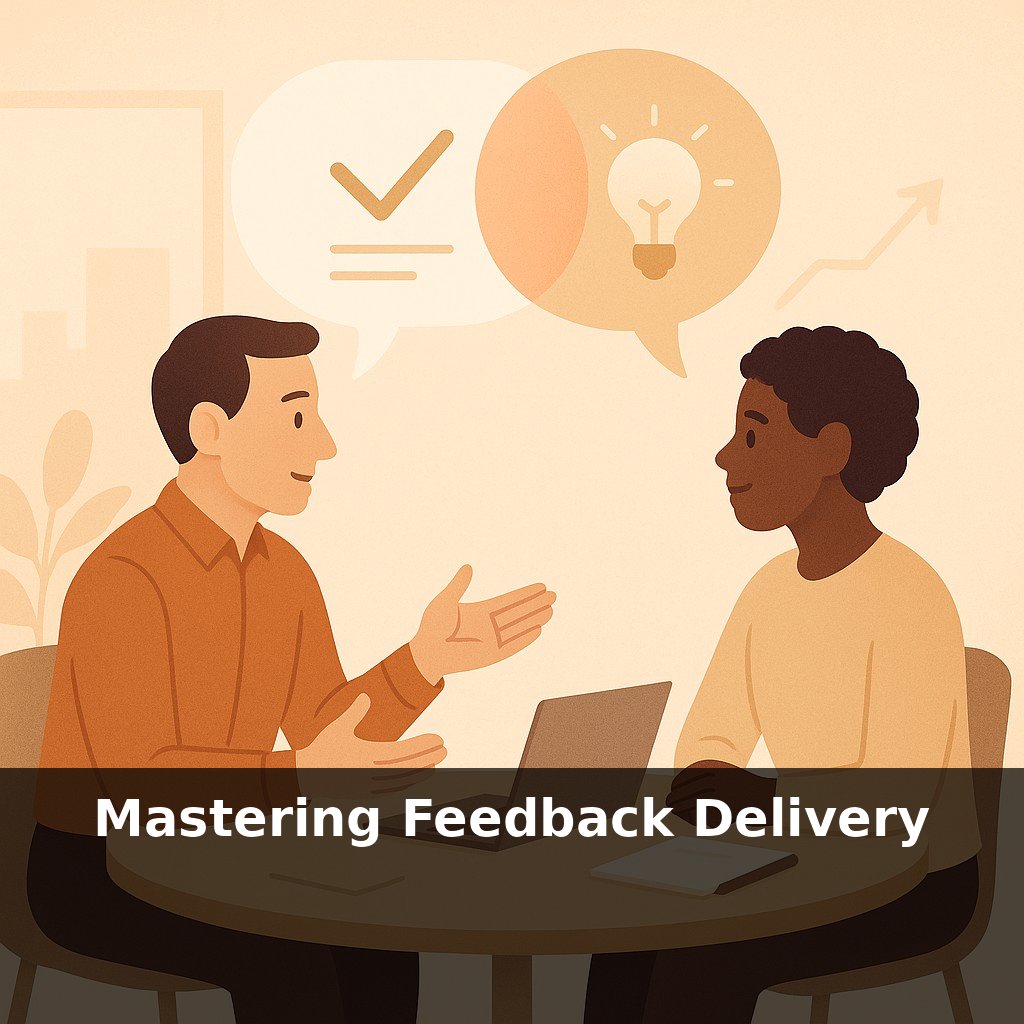
About a third of managers say, “I give plenty of feedback.” Yet, in the same teams, employees quietly say, “I feel ignored—or attacked.” In this episode, we’ll unpack how both can be true at once, and why the *way* you deliver feedback can outweigh *what* you actually say.
“Tailored feedback can improve performance by up to 39%.” That sounds huge—until you realize most managers still deliver feedback in exactly one style: their own. No wonder only a fraction of that potential ever shows up in real results.
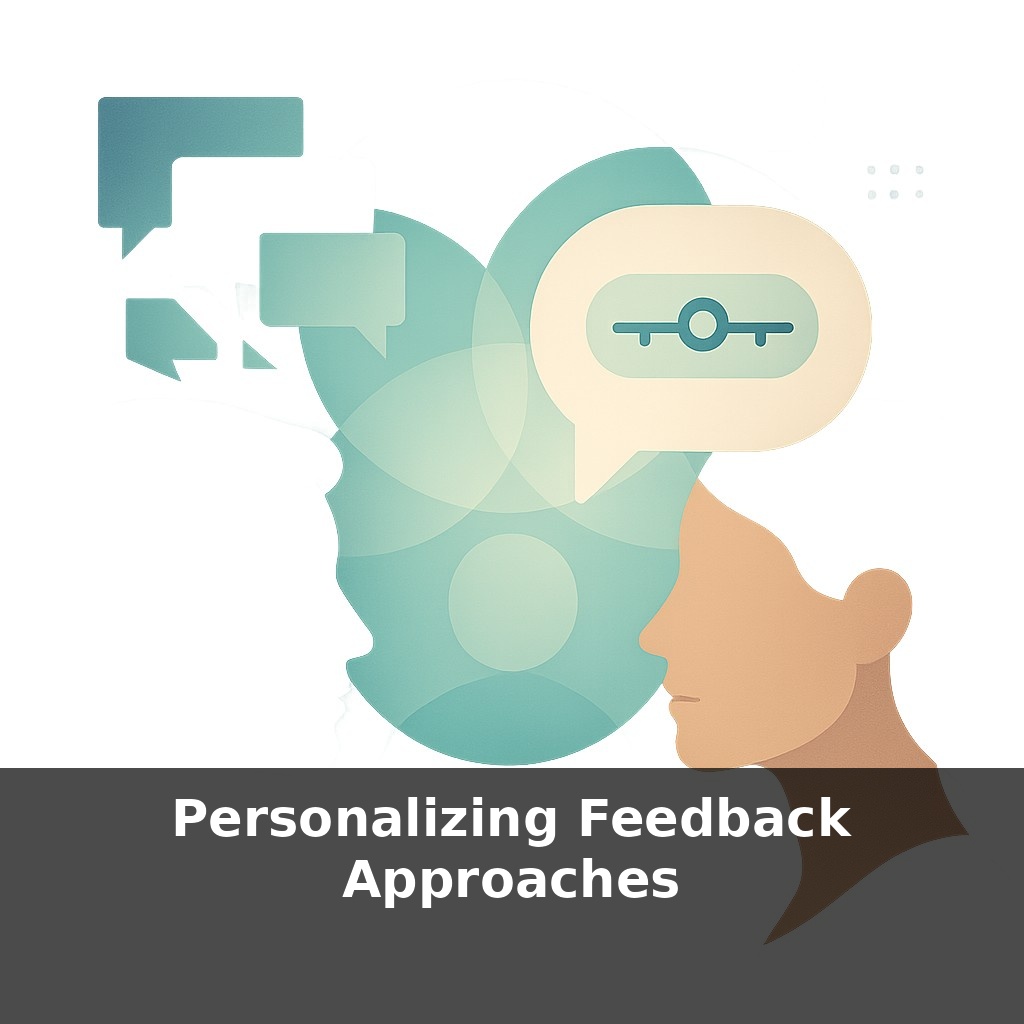
In this episode, we’ll zoom in on *personalizing* how you give feedback: adjusting tone, timing, and format to the actual human in front of you— their personality, cultural norms, and current pressure level.
Think of two high performers on your team: one thrives on rapid-fire, direct critiques; the other shuts down unless you start with context and questions. Same message about missed deadlines, completely different paths to getting it heard, accepted, and acted on.
We’ll explore how simple tools—like light-touch personality insights and behavioral signals—help you pick the right approach without turning your 1:1s into therapy sessions.
Most managers never get formal training on this, yet research shows only about a quarter of organizations actually equip leaders to adapt their feedback. So we’re going to treat this as a skill you can deliberately build, not a vague “be more empathetic” mantra. Think of your team like a small, diverse panel of users testing an app: each “user” interacts differently with the same feature. Your job isn’t to guess blindly, but to observe patterns—who asks for examples, who needs time to reflect, who prefers written notes—and then design your feedback flow to match how they naturally process information.
Let’s get concrete and zoom in on *how* to adapt—without turning into a pop-psychologist for each person on your team.
Start with *visible behavior*, not labels. Over a few weeks, notice: when you share critical input, who leans in with questions and who goes quiet? Who follows up with detailed emails, and who prefers a quick call to align? That’s your first signal about how much structure, detail, and emotional buffering each person may need.
Personality tools like Big Five or DISC can add a second layer—but treat them as hypotheses, not verdicts. A data‑hungry analyst who scores “high conscientiousness” may respond best to specific evidence, clear expectations, and time to prepare. A more “high extraversion” relationship‑builder might benefit from live conversation, real‑time brainstorming, and explicit reassurance that the relationship is intact even when the message is tough.
Culture adds another filter. Some people come from environments where speaking over a manager is disrespectful; silence doesn’t mean agreement, it may just mean “processing” or “avoiding offense.” Others assume debate is a sign of commitment. For the first group, you might invite reflection questions in advance and ask them to bring written thoughts. For the second, you might schedule a short, live debrief and normalize pushback as part of the process.
Then layer in situational context. The same person may need different handling in a launch crunch versus a slow quarter. Under high strain, shorter, more directive feedback with clear priorities often lands better; in calmer cycles, collaborative coaching and open‑ended questions create more growth. Treat these as modes you switch between intentionally.
One practical way to think about it: like a smart thermostat that learns patterns over time, you’re tuning three dials—directness, emotional cushioning, and collaboration—based on repeated observations, not hunches. Over time, you’ll see clusters: people who thrive on blunt speed, people who need reflection, people who need affirmation of intent before they can absorb any critique.
The goal isn’t to invent a unique method for every individual interaction. It’s to build a small, flexible repertoire of feedback styles—and then consciously match the style to the person and moment, instead of defaulting to whatever feels most natural to you.
Think of three distinct people you’ve worked with recently. For each, recall the last time a conversation really “clicked.” What were you doing differently?
Maybe with a quietly thoughtful engineer, you sent a short note first, then used your 1:1 to ask, “What patterns are *you* seeing?” They arrived with a mini‑analysis and owned the next steps. With a fast‑moving salesperson, perhaps you grabbed five minutes between meetings, led with, “You’re strong at X; to hit your number, we need Y,” and left them with one concrete experiment to run that week. With a cross‑functional partner in another region, you might have framed feedback as a joint problem: “Our handoffs are slipping. From your side, what’s getting in the way?” That small shift from “I’m evaluating you” to “We’re troubleshooting the system” reduced defensiveness and surfaced better data.
Over time, patterns like these become your personal playbook—less guesswork, more intentional choices that fit real people in real moments.
Adaptive approaches won’t stay a “nice-to-have.” As hybrid work deepens, people will expect the same personalization at work that they get from streaming platforms and fitness apps. Feedback will feel less like an annual event and more like a customized learning stream, with AI nudging managers toward phrases that fit each person’s bandwidth and goals. Teams that practice this now will navigate role changes, restructures, and even automation shocks with more trust and agility.
In practice, you’re building a living “user manual” for each person, updated every time you talk—more like patch notes than a static handbook. Watch how they respond after you tweak one variable: a quicker ping, a slower question, a different channel. Your challenge this week: test one small adjustment with three people and track what actually changes.