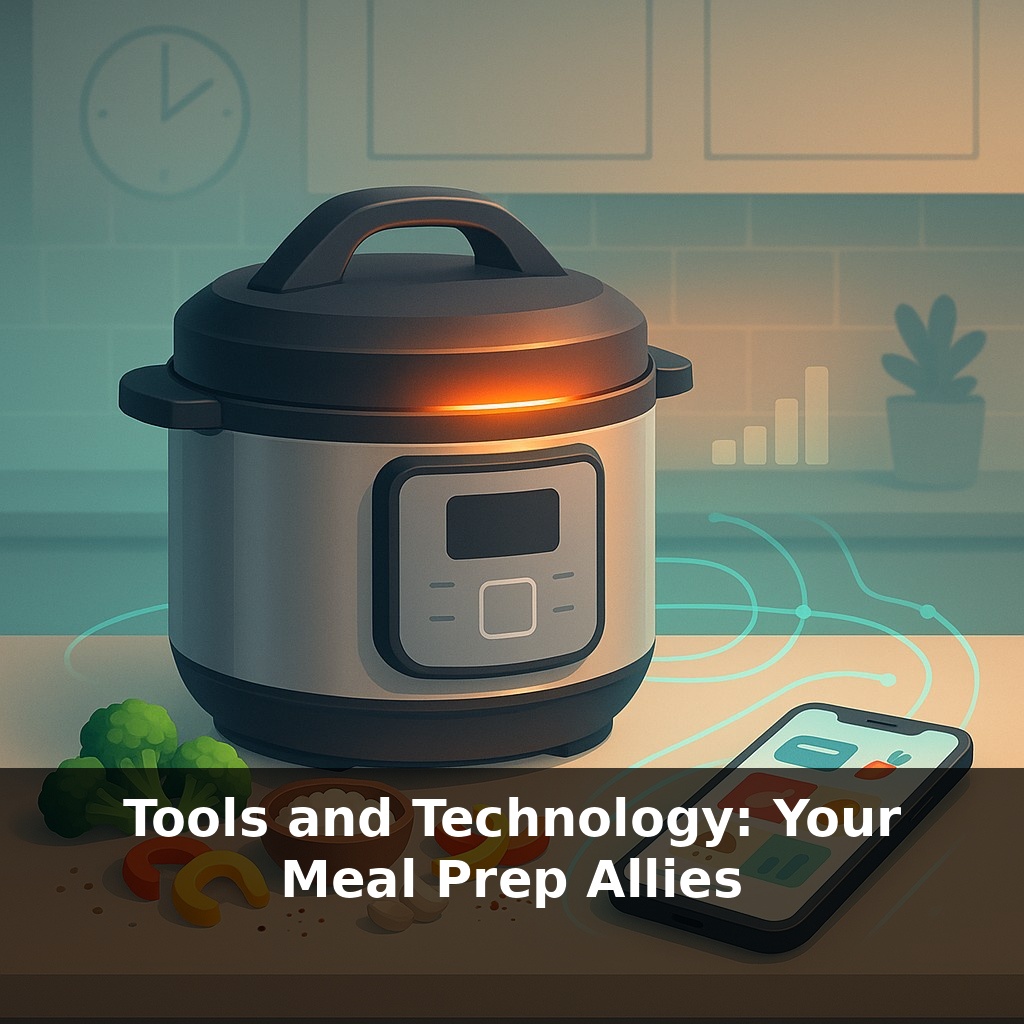
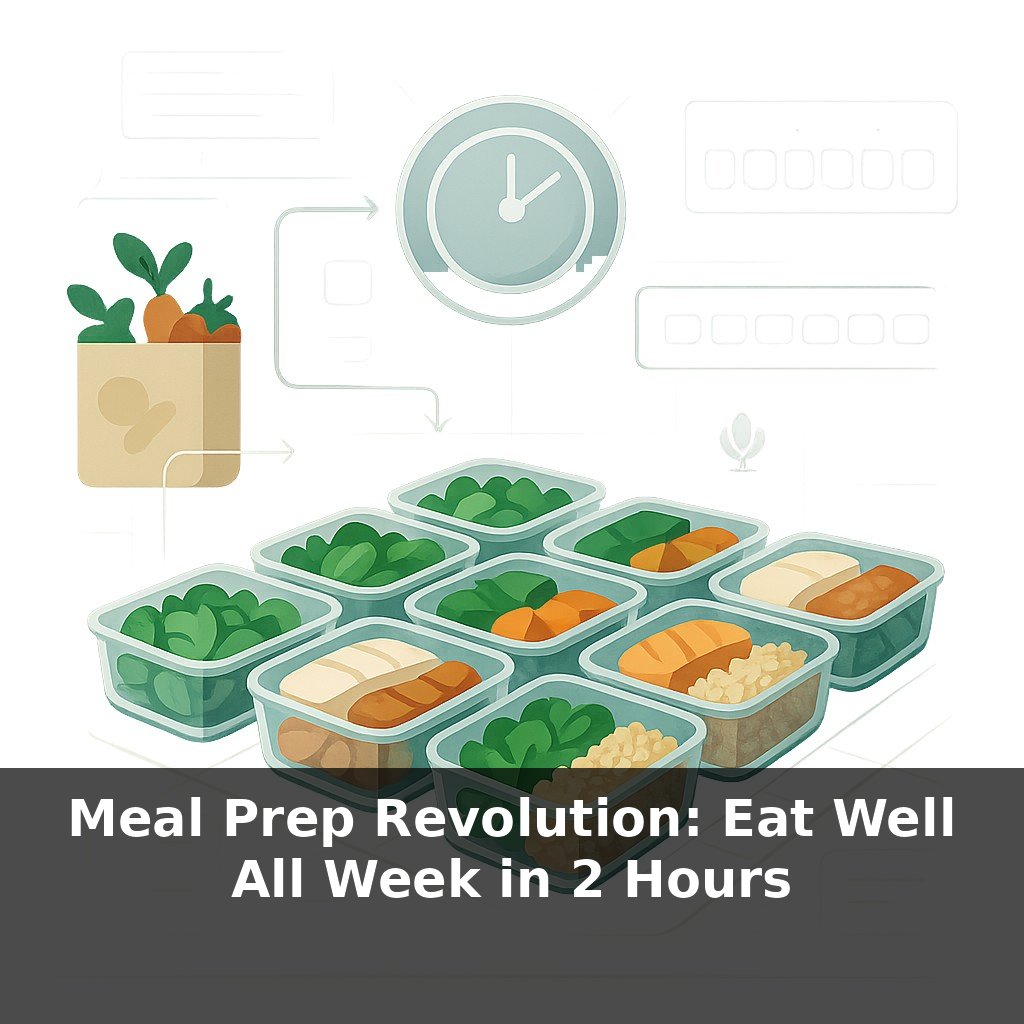
Right now, more than twenty million multi-cookers are humming away on countertops, quietly rewriting how people eat. One busy parent tosses in frozen veggies and spices before work; a college student scans their fridge with an app and gets a custom recipe in seconds.
Twenty-five million Instant Pots sold, grocery savings near 30% for planners, and meal-planning app usage up 40% in a single year—these aren’t just trivia points, they’re signals that the tools on our counters and in our phones are quietly reshaping how we eat.
This episode is about recruiting those tools as allies, not decorations. A sharp chef’s knife that actually makes you want to chop vegetables. Containers that stack like Lego bricks instead of playing avalanche in your fridge. A vacuum sealer that turns Sunday’s cooking into next Friday’s “still tastes fresh” lunch.
Layer on simple tech—an app that tracks what you already bought, another that nudges you toward more protein or fiber—and your kitchen starts working like a well-run budget: every ingredient has a job, and almost nothing goes to waste.
But tools alone don’t guarantee calmer weeks or healthier plates—how you choose and combine them does. Some gadgets shave minutes; others stretch food days longer; a few quietly crunch data so you don’t have to. The trick is matching tools to your real life, not an idealized version of it. Cook once on Sunday? You’ll lean on batch-friendly gear and storage that keeps flavors bright. Prefer quick, flexible weeknights? You’ll want gear that pivots fast, like a skillet that goes from searing tofu to reheating grains. Think of your setup as building a tiny “food system” where each tool has a clear job.
Start with the tools that change your *bottlenecks*, not the ones that look coolest on TikTok.
For most people, the real friction points are: - “I don’t know what to cook with what I have.” - “I don’t have time on weeknights.” - “Food goes bad before I eat it.” - “I can’t tell if I’m actually eating ‘healthy’.”
Different tools attack different bottlenecks.
If decision fatigue is your enemy, your MVP isn’t another pan—it’s a planning layer. Pair a basic calendar with a recipe app that can filter by “time,” “protein,” or “what’s in my fridge.” Batch-select 3–4 dinners, then let a digital grocery list auto-generate. You’ve turned 20 nightly micro-decisions into one 15‑minute planning block.
If time is your squeeze point, think in “hands-on minutes,” not total minutes. A sheet pan plus parchment paper turns chopping into the only real work; the oven handles the rest while you do something else. A decent blender converts leftover veg into soup, or frozen fruit into a 90‑second breakfast. Add a rice cooker or similar set‑and‑forget tool and you’ve quietly automated your starches.
If waste is what hurts, the heroes live in your fridge and freezer. Shallow, clear containers make it obvious what needs to be eaten soon. Labels and masking tape sound fussy, but a three-second date + contents note can be the difference between “forgotten mystery lump” and “oh right, tomorrow’s lunch.” A basic freezer strategy—spread things flat in bags, freeze sauces separately from bases, pre‑portion proteins—keeps textures appealing instead of “freezer surprise.”
If nutrition is fuzzy, let simple tech do the math. Many trackers let you scan barcodes or log recurring meals; you only need a week or two of honest data to see patterns. Once you notice “I’m always low on fiber,” you can recruit tools with a purpose: a small container just for chopped nuts and seeds, or a mini‑processor that makes shredding veggies painless.
The quiet power move is “tool stacking”: combining a few low‑effort allies so they cover each other’s gaps. A weekly planning session, one big roasting session, smart storage, and a lightweight tracker together can turn a chaotic kitchen into something closer to a predictable paycheque—inputs and outputs finally match.
Think of your kitchen gear the way an investor looks at a portfolio: some tools are “blue‑chip” essentials, others are high‑leverage specialists. A good cutting board and skillet are your index funds—steady, reliable, doing quiet work every day. A high‑power blender or food processor is more like an aggressive growth stock: not strictly necessary, but capable of big returns in time and variety if you actually use it.
Concrete example: batch a “base sauce” on Sunday—blend tomatoes, herbs, garlic, a splash of olive oil. During the week, that same base becomes pasta sauce with lentils, shakshuka with eggs, or soup with extra broth and beans. One tool, one action, three very different dinners.
Or treat your freezer like long‑term savings. Portion cooked grains and beans into muffin tins, freeze, then pop the portions into bags. Now you can “withdraw” exactly what you need in minutes, instead of starting from zero when you’re tired. The tech and containers just help you see and spend those “edible assets” more wisely.
By the time smart kitchens go mainstream, your gear won’t just *store* food, it’ll negotiate with your schedule, budget, and health goals. Fridges could flag “last good day” ingredients and propose two‑step dinners that fit tonight’s calendar, while scales quietly log portions in the background. As biodegradable containers improve, “prep once, pollute never” becomes realistic—more like a reusable transit pass than a single‑use ticket, giving you repeated rides toward easier, healthier weeks.
As you experiment, notice which tools quietly earn “front-row” counter space. Maybe it’s a skillet you reach for daily or a simple timer that keeps you from burning pans while juggling calls. Your challenge this week: upgrade one nagging friction—dull peeler, warped cutting board, awful tongs—and see how that tiny fix reshapes your whole cooking rhythm.