Right now, in an average home kitchen, most of the time you spend “cooking” is actually spent hunting—opening drawers, shuffling pans, rereading steps. Meanwhile, the food waits. What if the real secret to joyful cooking isn’t new recipes at all, but a new way of moving?
Most home kitchens are set up the way closets end up: gradually, reactively, and a little bit chaotically. A pan lives where it first fit, spices creep into three different cabinets, and the cutting board migrates depending on last night’s cleanup. It “works,” until you’re trying to get dinner on the table in 25 minutes and every missing tool feels like a speed bump.
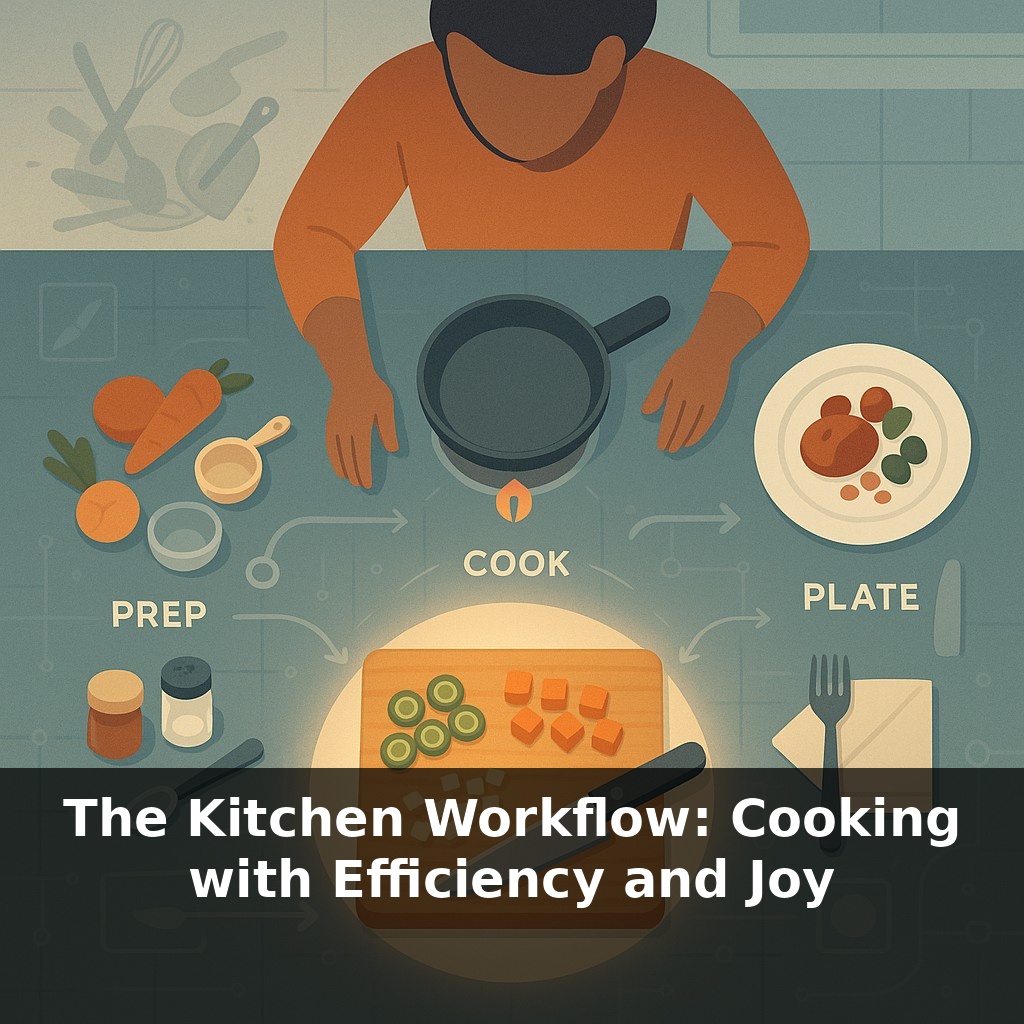
In this episode, we’ll treat your kitchen less like a storage room and more like a tiny factory designed around flow. We’ll look at how pros reduce wasted motion, why grouping similar tasks can shrink weeknight prep, and how a few small layout tweaks can quietly make you less tired and more consistent. We’ll also explore how turning prep into a short, daily ritual can anchor your evening, making the transition from work to dinner feel smoother—and a lot more satisfying.
Think of this episode as zooming out from any single recipe and looking at the *system* that gets food onto your table, night after night. Professional kitchens obsess over this system because they know the math: small gains compound. The same is true at home. A few minutes saved per meal turn into hours over a month; one smarter habit repeated becomes a quiet backbone for your whole week. We’ll connect where you stand, where things live, and how you sequence tasks to what really matters: less decision fatigue, fewer “I’ll just order in” nights, and more meals you’re genuinely proud of.
If mise en place is the pre-game, this section is about what happens once the heat is on: how you actually move through a meal from first chop to final wipe-down.
Start with your “golden path”: the strip of counter where you naturally default to doing most of your work. For many people it’s between the sink and the stove. Treat this like premium real estate. Anything you use almost every night—chef’s knife, cutting board, salt, oil, tongs—should live within one arm’s reach of this lane. Less-used items can drift outward toward the “suburbs” of your kitchen.
Next, re-think how you sequence tasks inside a single cooking session. Instead of following recipes like a strict script, learn to read them for patterns. Scan for: - All the chopping across recipes - All the “hands-off” times (simmer 20 minutes, bake 15) - All the last-minute, high-attention steps
Then stack them. Do all your knife work first, while your board and counter are already messy. Slide chopped ingredients into labeled bowls or onto designated corners of a tray. When something goes into the oven or onto a long simmer, that’s your trigger for the next task: washing a few dishes, prepping tomorrow’s grains, or assembling a quick sauce base to freeze. You’re not working harder, just filling inevitable gaps.
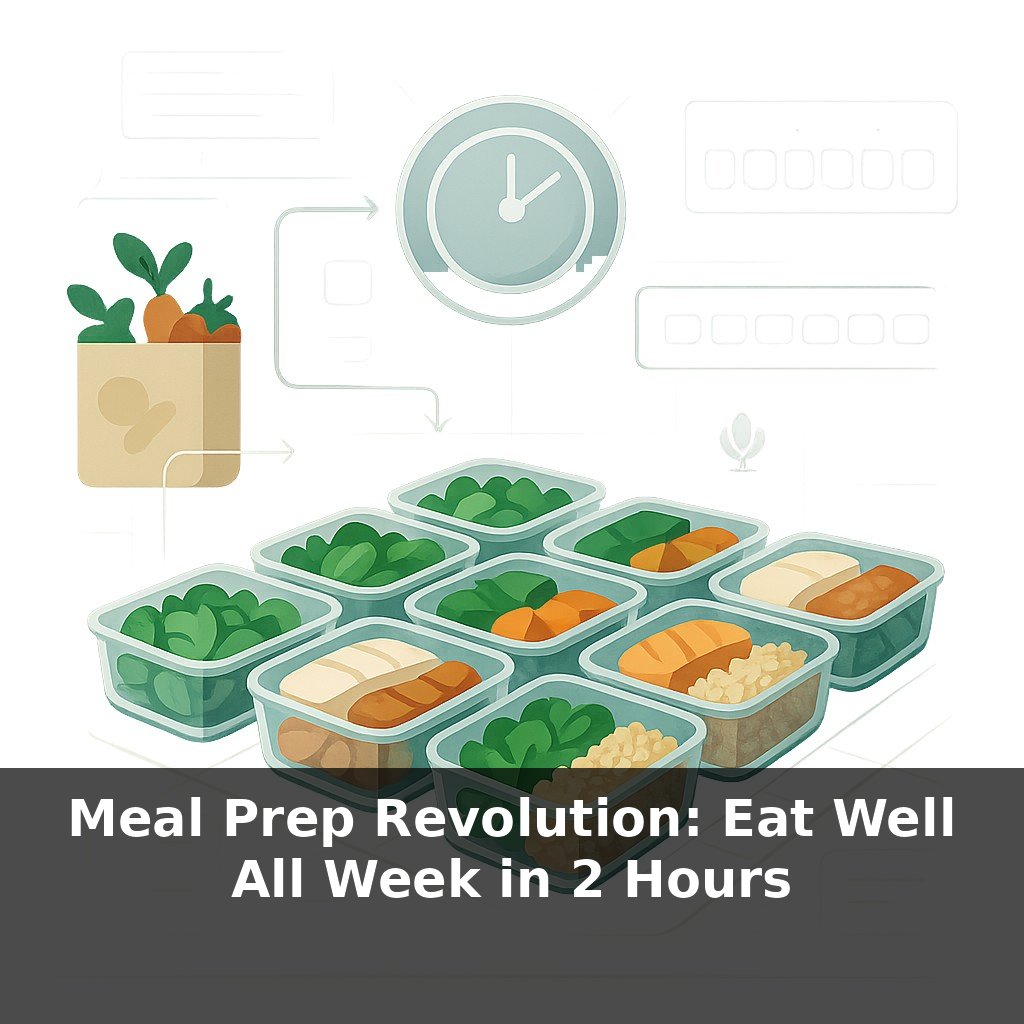
Batching doesn’t have to mean full freezer marathons. Two or three micro-batches per week are enough to tilt the whole equation: - Cook double rice once; freeze flat in thin bags for instant “grain packets.” - Roast a full sheet of mixed vegetables while the oven’s on for another meal. - Make a small “mother” dressing or sauce that can shift with add-ins—herbs one night, chili the next.
To keep meals from feeling repetitive, think in components rather than finished dishes. One pot of beans can be tacos, soup, or salad protein depending on what you pair it with. A tray of roasted chicken can become bowls, wraps, or fried rice. You’re investing effort into flexible building blocks, not single-use meals.
Finally, layer in presence. While your pasta water heats or your stew quietly bubbles, do one tiny sensory check-in: notice the sound of the simmer, or pinpoint one aroma and trace how it changes over a few minutes. This kind of attention is small, but it’s what turns routine evenings into something that feels quietly rewarding, even on the most ordinary Tuesday.
Think about your week in “modules” instead of individual dinners. For example, choose one “anchor” item per night that quietly supports later meals: Monday’s caramelized onions become the base for Thursday’s frittata; Tuesday’s extra chopped herbs slip into Friday’s grain salad. You’re not adding work, just giving tonight’s effort a second life.
Real home example: one listener keeps a shallow tray in the fridge labeled “Next Meal.” Anything prepped but unused—half a lemon, sliced scallions, a bit of crumbled feta—goes there. Whenever they cook, they must use at least one item from the tray. Their grocery list shrank, and they report feeling more playful instead of constrained.
You can also assign “micro-roles” to spots in your kitchen: a tiny landing pad near the fridge where tomorrow’s breakfast components always collect; a narrow shelf that only holds “grab-first” flavor boosts like chili crisp or toasted seeds. Over time, these roles become quiet cues, nudging you toward variety and less waste without a spreadsheet in sight.
In a few years, your kitchen might quietly “coach” you. Sensors could notice you’ve grabbed tofu and broccoli, then suggest three fast paths based on how long you’ve been on your feet, your heart rate, even how late it is. Think of it like a nutrition-savvy sous-chef, surfacing options just as you’re about to stall. Grocery apps may sync with these tools, nudging you toward recipes that finish the odds and ends you already own, turning near-spoilage into tomorrow’s easiest win.
Over time, your kitchen workflow can become less like a chore list and more like a quiet conversation with your future self: “I’ve already got you started.” As patterns settle in, you may notice spillover effects—clearer weeknights, fewer impulse orders, more confidence hosting. Treat each tweak as a prototype, not a verdict; the goal isn’t perfection, just easier, happier meals.
Before next week, ask yourself: Where in my usual dinner routine do I actually feel the most stress—when I’m chopping, hunting for tools, or cleaning—and what’s one concrete tweak (like pre-chopping onions on Sundays or keeping knives and cutting boards together) that would remove that friction? Looking at the meals you cook most often, which one could become your “workflow test case” this week—what steps could you batch (like washing all produce at once or toasting spices while the pan heats) so the recipe flows more smoothly? As you move around your kitchen over the next few days, notice every time you backtrack—what one small layout change (moving oil and salt next to the stove, designating a scrap bowl for peels, clearing a permanent prep zone) would make tomorrow’s cooking feel lighter and more joyful?