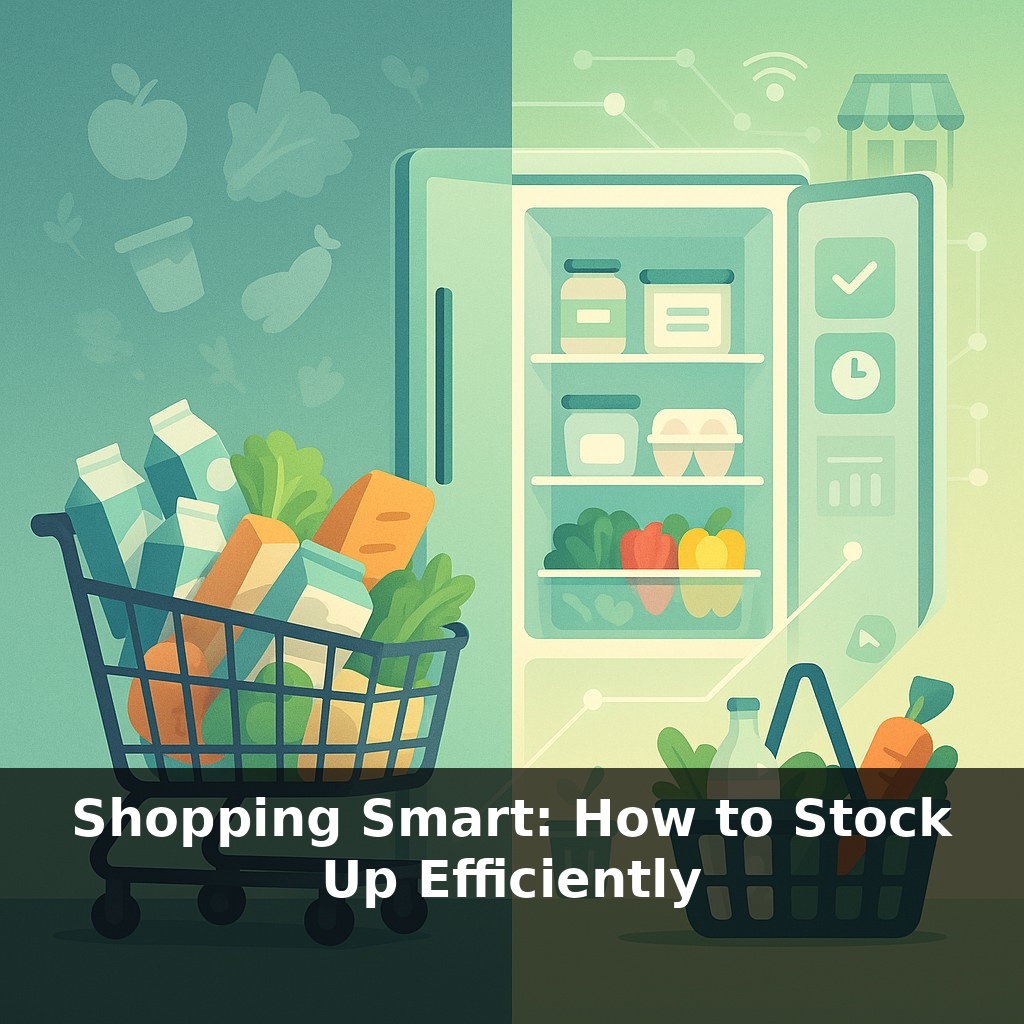
Right now, the average American throws away hundreds of pounds of groceries a year—food they already paid for. You walk in from the store, bags cutting into your hands, fridge packed… and still feel like there’s “nothing to eat.” This episode will flip that script.
US households toss out about 325 pounds of food per person every year—yet most of that waste starts *before* anything spoils. It starts when we shop without a strategy. In this episode, we’re going to turn “stocking up” from a fuzzy idea into a precise system built on three steps: PLAN, PURCHASE, and PRESERVE. Done right, this doesn’t just feel more organized; studies from the USDA and WRAP show it can cut your food waste by up to 30 %, trim 10–15 % off your grocery bill, and save roughly a third of your usual shopping time across a month. We’ll look at how to plan meals that actually match your schedule, how to decide when “buying in bulk” is smart and when it’s a trap, and how to store what you bring home so it actually gets eaten. By the end, your kitchen will quietly support your week instead of constantly demanding your attention.
To make this system real, we’ll zoom in on decisions that quietly drain your budget and time. Think about three common patterns: grabbing “just in case” items, defaulting to name brands, and letting produce dictate your meals instead of your calendar. Store brands now average 20–25 % cheaper than national labels, so switching on even 10 regular items can easily free up $15–20 a week. Buying in-season fruit and vegetables can cut prices by up to 50 %; that’s the difference between paying $4 and $2 per pound. Layered together, these micro-choices decide whether your cart supports your week—or works against it.
Start with PLAN, but make it brutally realistic. Instead of mapping out seven ambitious dinners, anchor just four “home base” meals that you know you’ll actually cook on busy nights—things like sheet-pan chicken, bean-and-rice bowls, frittatas, or roasted veggie pasta. Each should share overlapping ingredients. For example, one pound of dry rice (about $1.50) can cover burrito bowls twice, a stir-fry once, and a quick soup base, stretching into 8–10 portions for under $0.20 per serving.
Then tie those meals to your actual calendar. If you’re out late three nights a week, those nights get “assembly-only” meals: pre-cooked grains, washed greens, a protein you can reheat in 10 minutes. This prevents the Wednesday 8 p.m. “I’m tired, let’s order in” spiral that quietly drains $30–40 at a time.
Next, upgrade your PURCHASE step with two quick checks: unit price and versatility. On the shelf, compare the price per ounce or per 100 g, not the sticker price. A 32 oz tub of yogurt at $3.99 (12.5¢/oz) beats four 5.3 oz cups at $1.25 each (23.6¢/oz) if you’ll finish it. Versatility means every fresh item should work in at least three uses. A $3 bunch of cilantro that only tops tacos is risky; scallions at the same price that go into eggs, stir-fries, and noodles are safer.
Be selective with “stock up” moments. Prioritize items with months of shelf life: dried beans, pasta, rice, canned tomatoes, oats, frozen vegetables. If you use black beans twice a week, a 4 lb bag for $5 (about 52 servings at under 10¢ each) makes sense. A 5 lb tub of hummus doesn’t—if you toss a third, your “deal” disappears.
PRESERVE turns your haul into a system. As soon as you get home, do a 15-minute “prep triage”: wash and spin one head of lettuce, roast a tray of whatever vegetables were cheapest, portion raw meat into meal-sized bags, and label anything headed to the freezer with the date and intended recipe (“chili,” “stir-fry,” “taco meat”). Freezing at −18 °C keeps most vegetables within about 5 % of their original nutrients for three months, so freezing half your broccoli instead of “seeing what happens” is a nutritional and financial win.
Finally, use FIFO in a way you’ll actually follow: one “eat me first” bin in the fridge for anything within three days of peak, and one in the pantry for opened or older items. If it goes in those bins, it must be used in the next two meals—no exceptions.
A practical way to see this system in action is to run the numbers on a single week. Say you normally shop twice, spending $90 total and tossing roughly $10 of limp produce and expired dairy. Instead, PLAN four weeknight dinners and one flexible “catch-all” meal—like a Friday fried rice that uses any leftover protein and vegetables. PURCHASE with a short, targeted list: 1 lb chicken thighs ($3), 1 dozen eggs ($2.50), 2 lbs frozen mixed vegetables ($4), 1 lb tofu ($2), 2 lbs rice ($3), plus aromatics and sauces. That’s under $25 in core ingredients that can stretch to 12–14 portions.
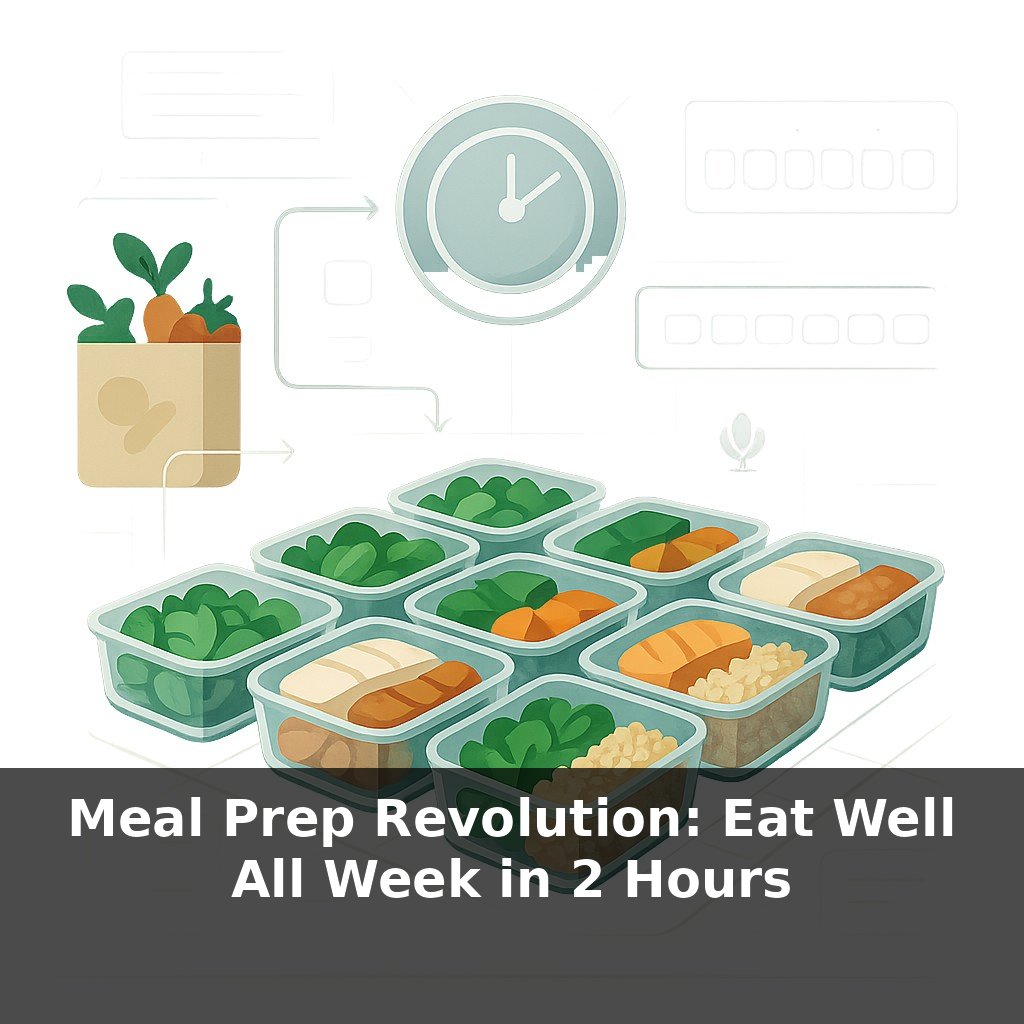
Next, PRESERVE with a batch-cook hour: cook the full 2 lbs of rice, bake or pan-sear all the chicken at once, press and cube the tofu, and portion everything into 8–10 clear containers. Label with “meal + date,” not just dates: “Mon stir-fry,” “Wed bowls.” By front-loading 60 minutes, you cut nightly cooking to 10–15 minutes, trim at least one midweek store run, and make it far less likely anything sits long enough to get wasted.
By 2030, your fridge could act like a budget coach. Devices like Samsung’s AI models are already scanning shelves and pushing precise lists to your phone. Layer that with dynamic carbon labels, and you might see two pasta sauces side by side: one $2.49 with 0.9 kg CO₂e, one $2.19 with 0.4 kg. Packaging is shifting too—edible coatings and sensors could safely add 3–7 days to fresh items, turning a typical $120 weekly shop into 16–18 extra home-cooked meals a month instead of spoiled leftovers.
Treat this like a system you can tune. Set one metric for next month—maybe spending $25 less per week or cooking 4 more at‑home dinners. Use your receipt totals, trash weight, or freezer labels to track progress. If you hit even half your target, that’s roughly $50–$100 saved and 5–7 extra home meals in just 30 days—evidence your new stocking routine is working.
Try this experiment: On your next grocery trip, shop only from a pre-made “stock-up staples” list of 15 items (like rice, beans, frozen veggies, chicken thighs, oats, canned tomatoes, pasta, peanut butter, eggs, and toilet paper), and ignore everything that’s not on the list. Before you go, set a hard budget (e.g., $80) and aim to buy at least one “backup” of each staple you’re low on. When you get home, cook only from what you stocked up for three days, noting any last-minute store runs you *don’t* have to make and any gaps you still felt in your meals. After three days, tweak your staples list once (add what you missed, remove what you didn’t use) and repeat on your next trip.