Tonight, someone will throw away a perfectly good bag of groceries—not because the food went bad, but because the week did. Meetings ran late, energy ran out, takeout won. The paradox? A few minutes of planning could have saved time, money, and their future self’s sanity.
Twenty percent of the food we buy never gets eaten. Not because it tastes bad, but because it doesn’t have a clear “job” in our week. That’s where planning like a pro comes in: not a rigid spreadsheet of dinners, but a simple structure that tells every ingredient where it belongs, and every night roughly what’s on deck.
Think of it less like writing a script and more like sketching a blueprint: just enough structure so the week doesn’t collapse when one day runs long. Research backs this up—people who plan and cook more often end up eating fewer empty calories and more plants, almost by accident.
In this episode, we’ll zoom out from single recipes and zoom into your whole week: how to match meals to your real schedule, how to build mix-and-match “core components,” and how to keep variety high without feeling like you’re running a restaurant.
Here’s where it gets interesting: once you zoom out to the full week, patterns start to appear. Some nights collapse into chaos, others are calm and spacious. Instead of forcing the same kind of dinner into every slot, we can match the “weight” of a meal to the “weight” of your day. Light, low-effort options land on late-meeting evenings; more involved cooking moves to slower nights. It’s a bit like arranging furniture in a small apartment: every piece needs a purpose, a place, and enough room around it so you can still move through your week without bumping into everything.
Here’s where pro-level planning quietly upgrades from “what’s for dinner?” to a simple weekly system.
Start with the three pillars: variety, alignment, and components—but now, zoom in on how they actually play out across seven days.
First, variety. Instead of chasing novelty every night, zoom out and think in patterns: rotate your protein sources (beans, fish, poultry, tofu, eggs), swap grain types (rice, pasta, quinoa, potatoes), and keep an eye on colors over the week, not just the day. If Monday is heavy on greens and browns, you might lean into reds and oranges by midweek. This protects you from ruts without turning every evening into a creative-writing exercise.
Second, alignment. Take one honest look at your calendar and classify each night as “red, yellow, or green”:
- Green: relaxed evenings, higher energy. These are your better-cook nights—try a new recipe or a slightly longer dish. - Yellow: medium busyness. Aim for 20–30 minute meals with familiar steps. - Red: late returns, kids’ activities, or back-to-back calls. Here, the plan is mostly assembly: think reheated batches plus fresh toppings.
Now, match meal types to those colors. A new curry on a red night is a booby trap; on a green night, it’s fun.
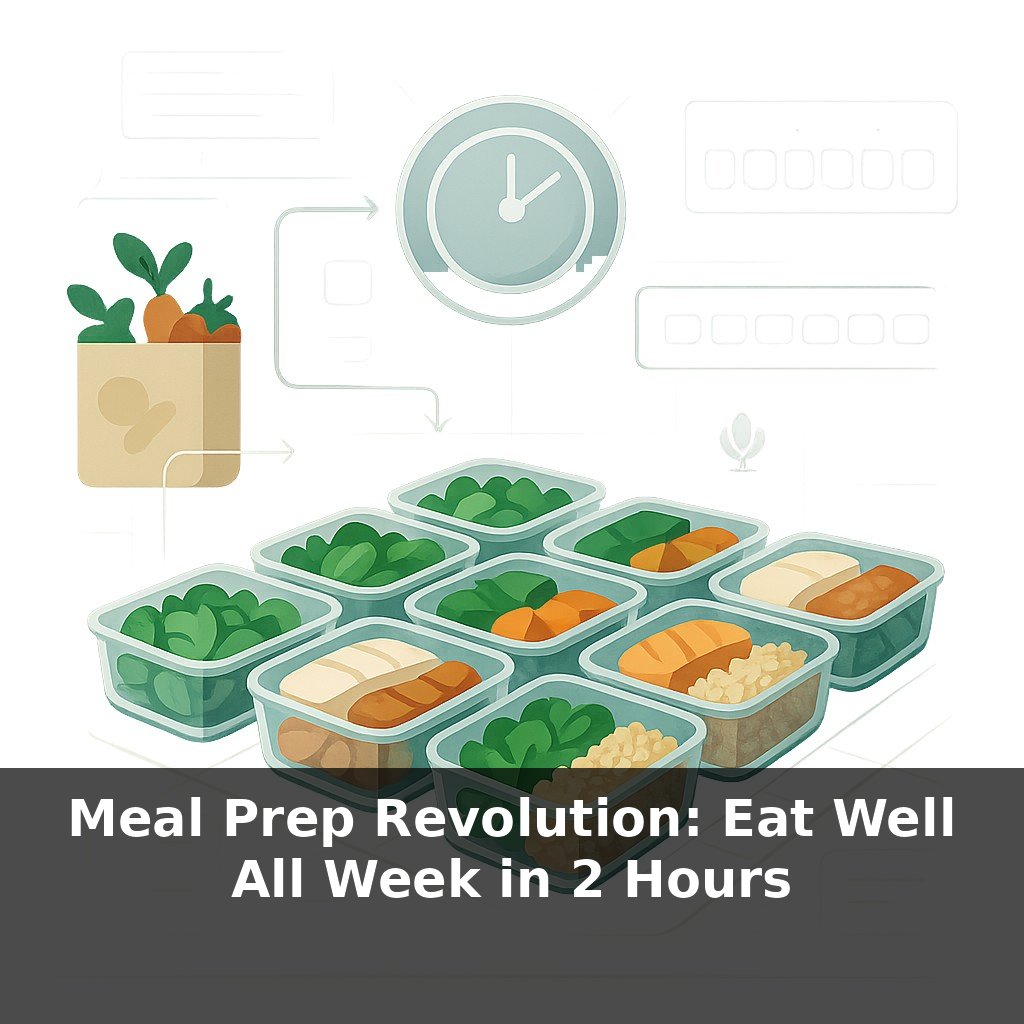
Third, components. Instead of locking yourself into exact recipes, think in “kits.” A batch of roasted vegetables, a cooked grain, a protein, and a sauce can become bowls, wraps, salads, or quick skillets. You’re not just cooking; you’re building inventory you can redeploy in different formats.
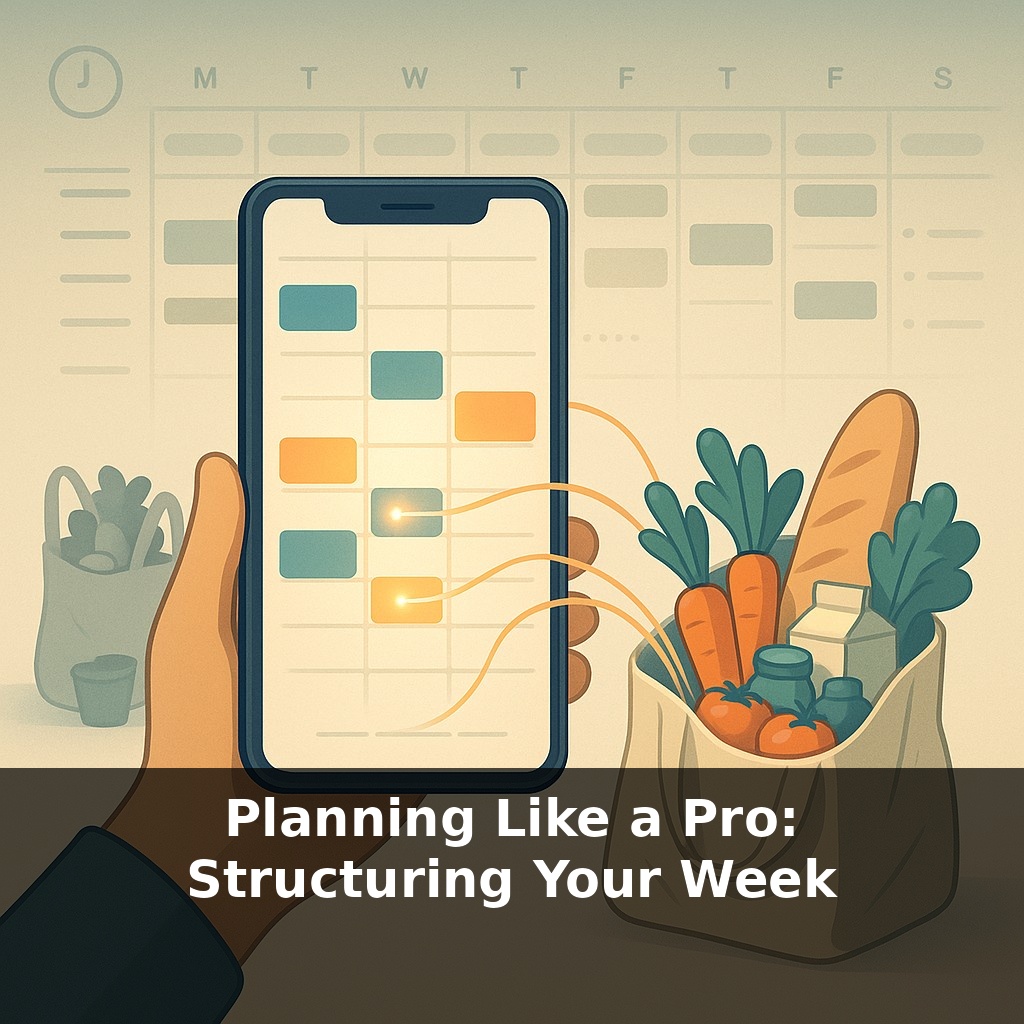
This is where a simple planning grid helps. Across the top: days of the week. Down the side: rough categories like “15-minute assemble,” “stove-top,” “oven meal,” “no-cook.” Drop one idea into each square so you have options that fit the night’s energy and available tools. It’s flexible on purpose—you can swap Tuesday and Thursday if life shifts.
To keep things from going stale, add one “wild card” slot: a new ingredient, cuisine, or cooking method. Everything else stays familiar; the wild card gives you just enough excitement to avoid boredom.
Finally, set two guardrails: one “emergency backup” meal (like eggs and toast with frozen veg) and one “fridge clean-out” night where leftovers become a freestyle dinner. They act like pressure valves, catching the chaos before it hits your budget or your stress levels.
On paper, this can sound abstract, so let’s ground it. Say you’re cooking for one and usually default to takeout by Thursday. With a loose grid, Thursday stops being the mystery zone and becomes “high-speed, low-dish-night.” You might pencil in: “something I can eat straight from a bowl, standing over the sink if I have to.” That cue alone nudges you toward choices that actually get used—like pre-portioned soup you froze on a calmer Sunday.
Or consider a family where one person is vegetarian, another is training for a race, and kids rotate through phases of “only white foods.” Instead of three separate meals, you keep one shared base—like a big tray of spiced chickpeas and veg—and let everyone finish it differently: over greens, in a wrap, next to pasta.
Think of it like a simple investment portfolio: a few solid “index funds” you lean on weekly, plus one or two “experimental stocks” where you try new flavors without risking the whole week falling apart.
The 2017 NutriNet-Santé data hint at what’s coming: once you can reliably script your week, apps and devices can start quietly upgrading the script itself. Your calendar, sleep tracker, and even gut data could nudge meals toward better timing, fiber types, or iron sources without adding decisions. Climate tags might sit beside recipes, like “low-water” or “bee-friendly.” Over time, your plan becomes less like a fixed menu and more like a living document that adapts as your life—and health data—change.
Your week doesn’t have to run perfectly for this to work; it just has to run on rails that are “good enough” most days. Over time, those small, repeatable choices shape your taste, your energy, and even how confident you feel in the kitchen. Your challenge this week: design one “default” week and watch how often it quietly has your back.