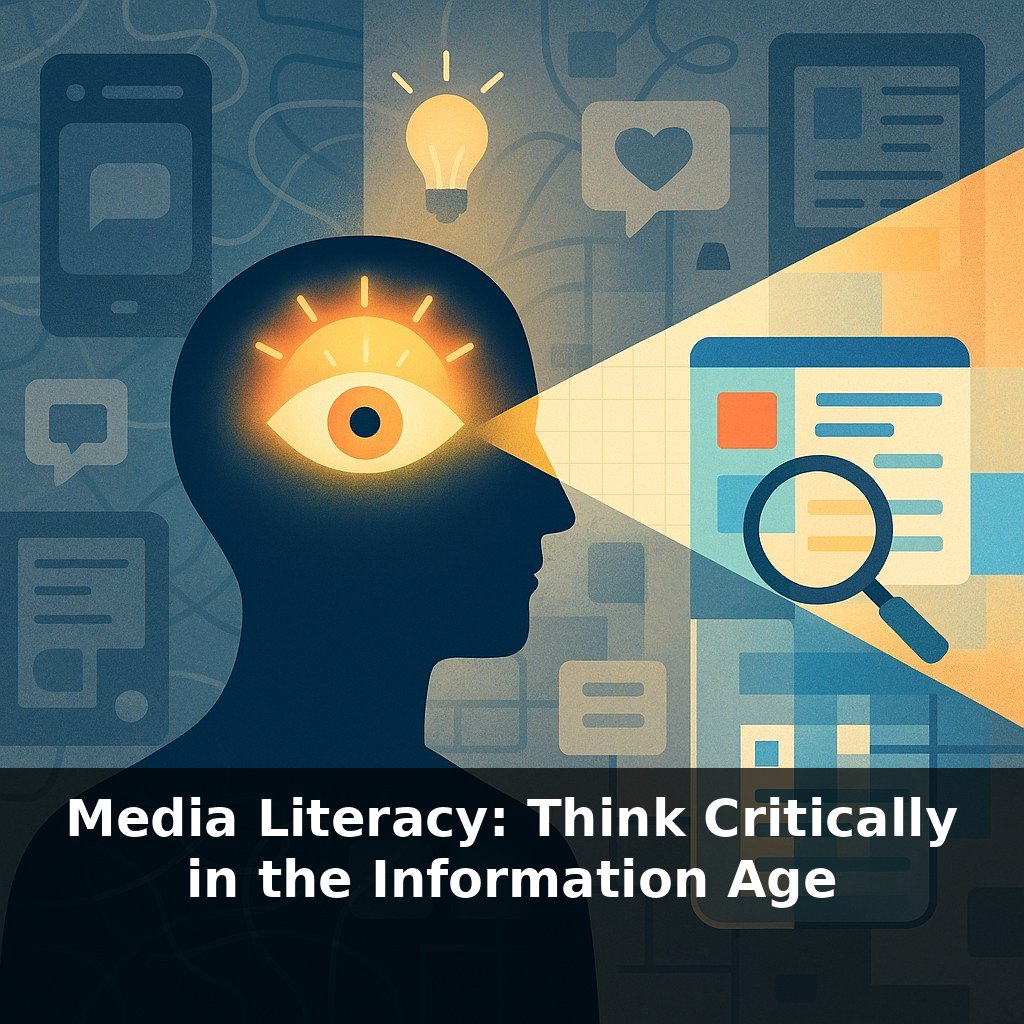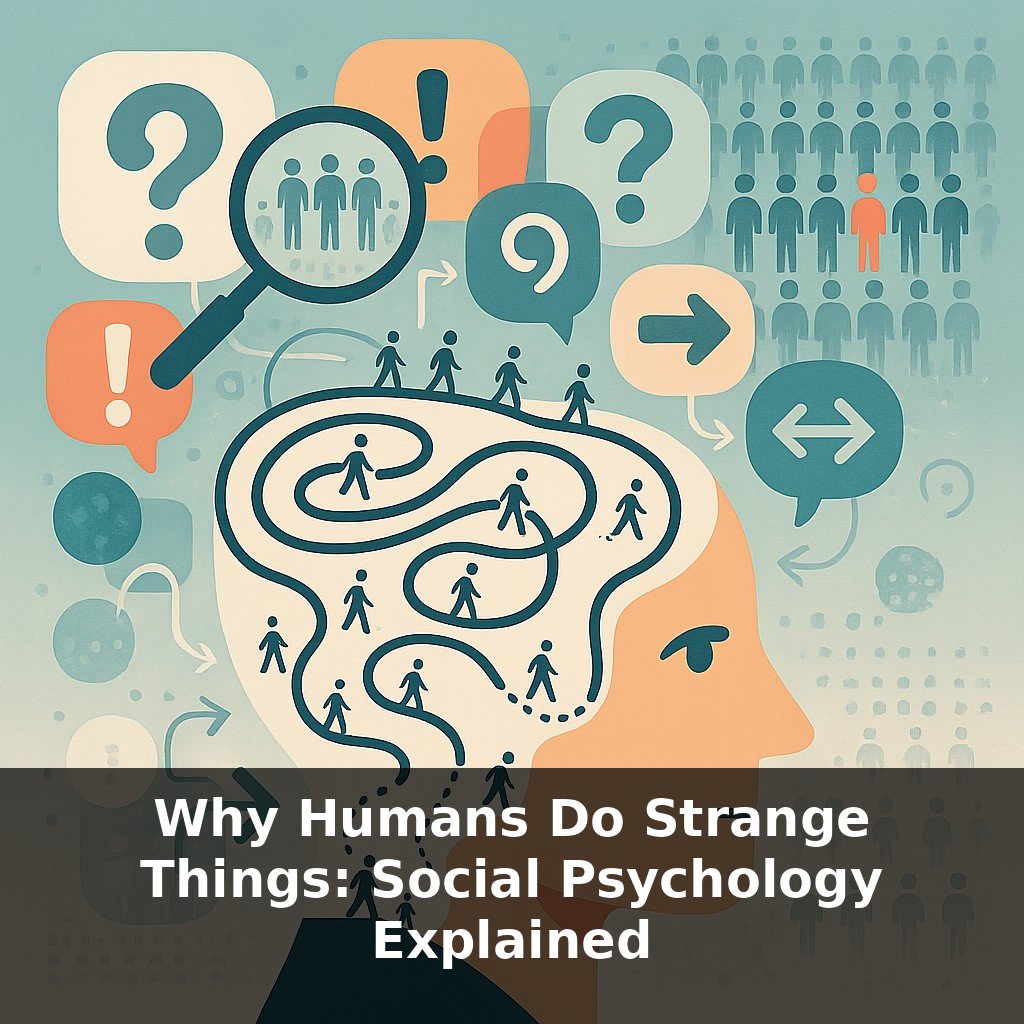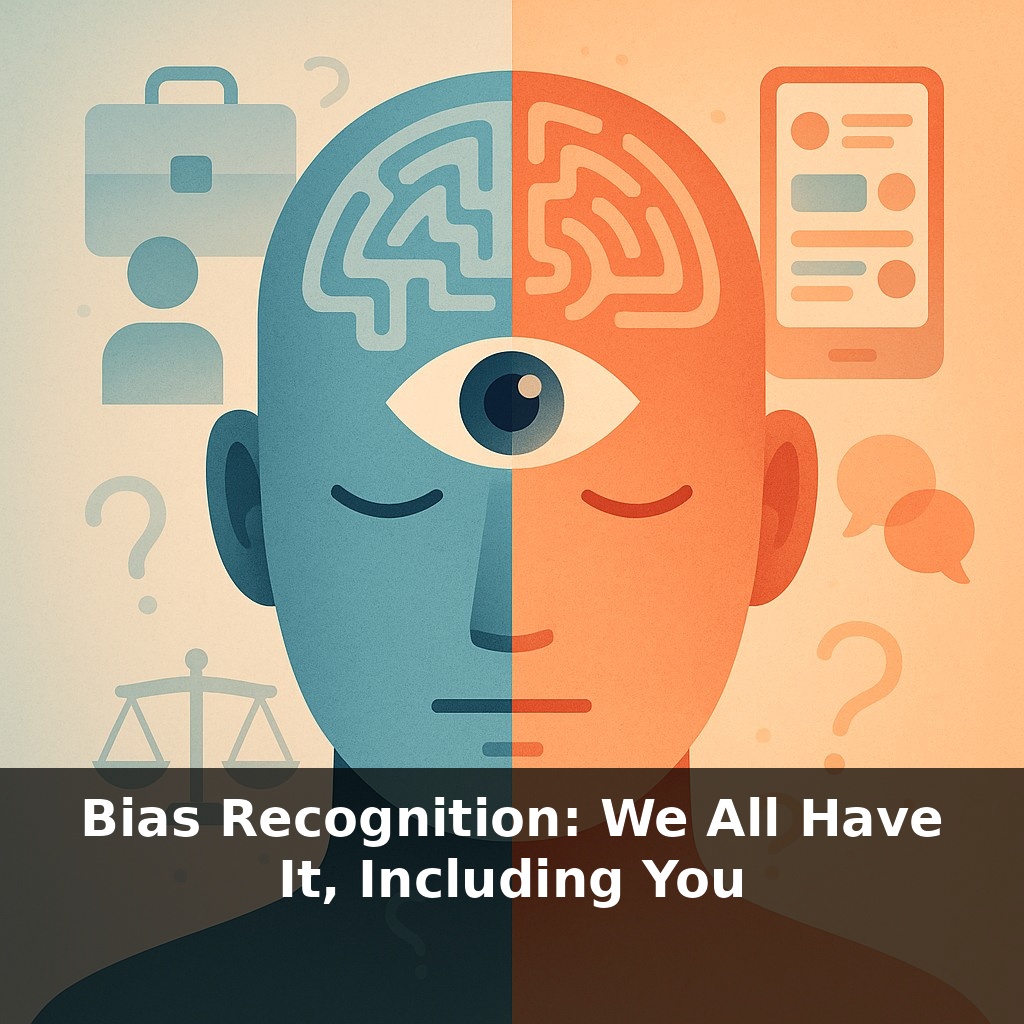
About 85 percent of people believe they’re less biased than the average person. Now, hear three quick scenes: a job interview, a news feed, a family argument. Same facts, totally different “truths.” Here’s the twist: in each one, the hidden bias belongs to you.
You scroll, you skim, you “just know” what feels right. A headline lines up with your gut, a candidate “seems like a good fit,” a post from your friend sounds reasonable enough. None of this feels biased; it just feels obvious. But here’s the uncomfortable part: the more confident we are in those instant reactions, the more likely bias is silently steering. That’s not a moral failing; it’s a wiring issue. Your brain is built to save time, not to be perfectly fair or accurate. And in a world where platforms reward outrage and certainty, those shortcuts are constantly poked, prodded and monetised. So in this episode, we’re not asking whether you’re biased. We’re asking: where, exactly, does it show up in your day—and how could you start catching it in the act?
Online, that wiring gets plugged into systems that learn from it and then feed it back to you. Click a dramatic headline once, and similar stories queue up like a playlist built from your most impulsive taps. Comment on a heated post, and the platform quietly notes: “More of this keeps you here.” The result isn’t a cartoon villain controlling your mind; it’s a steady tilt in what you see, trust and ignore. Meanwhile, AI tools trained on skewed data can quietly copy old patterns into new decisions. To navigate all this, you’ll need two skills: noticing your own habits, and inspecting the “pipes” delivering your information.
Open a psychology textbook and you’ll find a sprawling “map” of human shortcuts: more than 180 named biases so far. That sounds abstract until you watch a few of them line up in your daily media diet.
Confirmation bias nudges you to click what fits your existing view first. Then the availability bias makes the loudest, most vivid stories feel like the most important ones—whether or not they are. Add the halo effect: if you trust a person, you’re more likely to trust their take on everything from vaccines to voting rules, even outside their expertise.
Now shift from you to the system around you. That 2018 Facebook memo about political content wasn’t just a corporate footnote. If political posts pull 15% more engagement, the platform has a built‑in motive to surface more of them, especially the punchy, emotional ones. Your biases meet the platform’s incentives, and together they quietly decide what “the world” looks like when you open your phone.
The news ecosystem has its own patterns. A Stanford study found only 14% of high‑school students could reliably tell news from opinion. That’s not just about teenagers; it shows how convincingly style can mimic substance. Headlines, confident language and share counts can all perform “this is important and true,” whether it’s careful reporting or a hot take.
And if you’re tempted to think, “Well, at least machines are above all this,” consider Amazon’s résumé experiment. The model wasn’t told to be sexist. It simply learned from past hiring data, noticed that successful candidates skewed male, and started treating the word “women’s” as a negative signal. When the past is biased, the future gets automated bias at scale.
Here’s the tricky part: the bias blind spot. In lab studies, about 85% of people rated themselves as less biased than others—even while showing the same patterns on tests. We’re pretty good at spotting slants in our opponents, and strangely generous with our own side.
Think of this like adjusting a recipe: if you never taste as you go, you’ll assume the seasoning is perfect because you’re the one who added it. Metacognition and media literacy are you pausing to taste—asking not just, “Do I like this?” but “Why does this feel right to me, and who helped shape that feeling?”
You’re at a family dinner. Your uncle shares a dramatic story he “saw on the news.” You vaguely remember a different version. Instead of arguing, you both pull out phones. His feed shows a thread of alarming clips; yours shows a calm explainer. Same topic, same day, different “reality menus.”
Now switch scenes: you’re hiring for a group project. Two classmates have similar skills. One went to your school, one transferred recently. You tell yourself you’re judging only the work, but you feel you “just click” with the familiar background and start reading their contributions more generously.
Or you’re checking reviews for a gadget. The first three are 5‑star raves, written in the same energetic style. Without noticing, every later review gets compared to those early cheerleaders, and the 3‑star with detailed pros and cons feels “negative,” even if it’s the most informative.
Moments like these aren’t rare outliers; they’re everyday “data points” where your mind, your feeds and your habits quietly sync up. The work is learning to spot the patterns while you’re still in the scene, not just afterwards.
A world that notices its own slants could work very differently. News feeds might come with “nutrition labels” that show which voices are missing. Schools could treat source‑checking like learning to drive: a basic license for participating in public life. In offices, teams might rotate a “bias spotter” role the way they rotate meeting chairs. As tech starts tailoring reality through AR or brain‑linked devices, the skill won’t be avoiding bias, but steering through it on purpose.
You won’t erase bias, but you can learn its rhythm. Treat each strong reaction like a yellow light, not a green one. Pause, scan for missing angles, and test one small habit change: a new source, a slower read, a question you haven’t asked before. Over time, those tiny course corrections add up, like nudging a wheel that slowly steers you toward clearer judgment.
Start with this tiny habit: When you catch yourself making a snap judgment about someone’s competence in a meeting (like assuming the loudest voice is the expert), silently ask yourself, “What actual evidence do I have for that?” Then, add just one beat of curiosity by thinking of one alternative explanation (for example, “Maybe the quieter person has insight but isn’t jumping in”). If you’re about to respond, pause for one breath and invite one more voice into the conversation with a simple, “I’d like to hear what you think, too.”