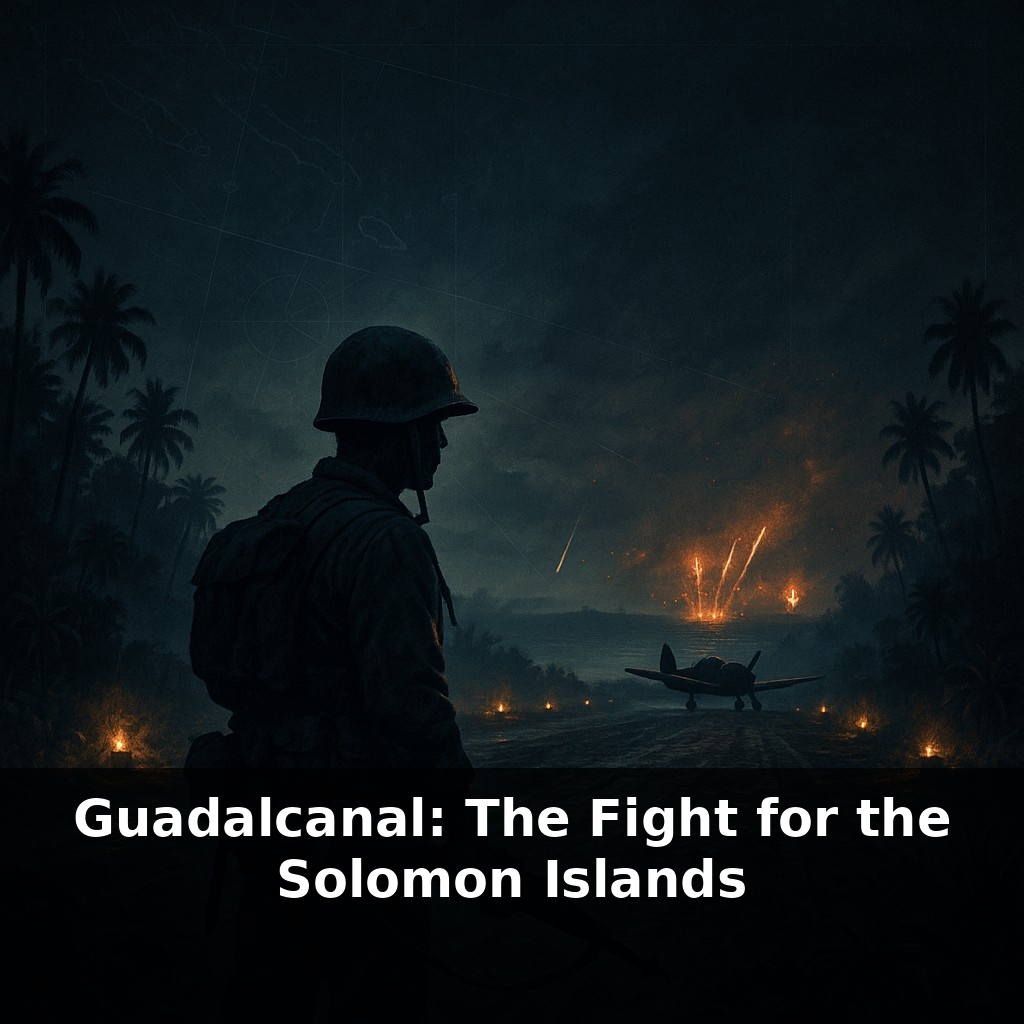
Gunfire flashes over black water. On a remote strip of jungle, exhausted Marines guard a runway the enemy shells almost every night. Here’s the twist: whoever holds this muddy airfield—far from any big city—suddenly controls the lifeline of an entire ocean.
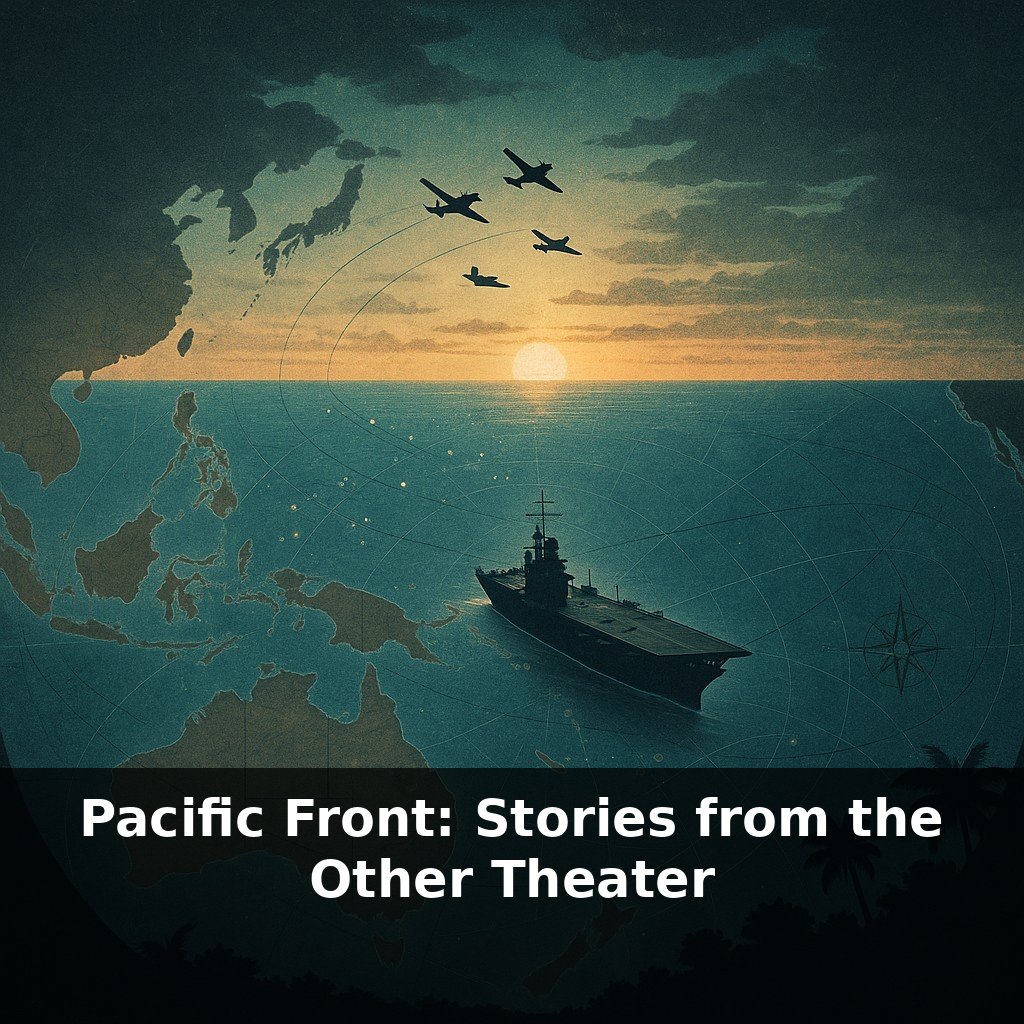
By August 1942, the United States was still reeling from Pearl Harbor and a string of defeats across the Pacific. Factories back home were only beginning to hum at full speed, and most Americans could barely find “Guadalcanal” on a map. Yet in Washington and Tokyo, staff officers traced thin pencil lines across charts and realized those lines—supply routes to Australia and New Zealand—ran dangerously close to this obscure island chain. When Japanese engineers began carving out an airstrip there, alarm bells rang. This wasn’t just another tropical outpost; it was a future choke point. So planners rushed together a risky idea: send in an amphibious force with limited training, scant intelligence, and just enough naval cover to gamble on surprise. It was less a polished plan than a bet that moving first might matter more than being fully ready.
The first waves that landed on Guadalcanal stepped into more than an unknown island—they stepped into a race against Japanese reinforcements. Maps were rough sketches, place names often guesses, and the jungle turned every hundred yards into its own little world. Heat and humidity soaked weapons, rotted boots, and turned minor cuts into serious threats. Commanders had to improvise supply lines along beaches and crude trails while trying to keep units coordinated across dense terrain. The battlefield wasn’t a neat front; it was a maze where patrols might vanish in foliage only yards from friendly lines. Malaria, dysentery, and exhaustion spread faster than orders. Henderson Field became a fragile anchor in chaos.
The surprise landings on August 7, 1942, initially felt almost too easy. U.S. Marines moved inland and found abandoned equipment, half-finished Japanese positions, even food still on cooking fires. The real prize—Henderson Field—was taken before it fully existed. Engineers and Seabees rushed to finish the strip under constant threat, scraping coral, leveling ground, and turning rough jungle into a functional runway in days, not weeks. Every extra yard of usable surface meant heavier planes, larger fuel loads, and more sorties when they were needed most.
Once aircraft began operating, the “Cactus Air Force”—a mix of Marine, Navy, and Army pilots—turned daylight into a kind of shield. Japanese attempts to send in troops and supplies by slow transport became costly gambles; ships approaching by day risked bomb and torpedo attacks. So Tokyo shifted tactics. Heavier forces would dash in under darkness, the “Tokyo Express,” with destroyers racing down narrow channels to unload men and materiel at high speed. It kept Japanese units alive, but never fully equipped.
On land, that imbalance showed. Attacks against the perimeter at Henderson often began with confidence and ended in brutal close-quarters fighting. At places like the Ilu River (later called the Tenaru), Edson’s Ridge, and along the Matanikau, Japanese forces launched night assaults based on prewar doctrine that emphasized shock and morale over sustained firepower. They ran into barbed wire, interlocking machine guns, and artillery carefully zeroed in. The jungle muffled sound and hid movement, but it also funneled attackers into deadly zones they couldn’t see until it was too late.
Meanwhile, disease quietly cut into combat strength. Units that looked solid on paper were often half-effective in reality; fevers, weight loss, and constant fatigue hollowed them out. Commanders rotated weakened companies to quieter sectors, but there were few truly quiet places. Resupply convoys had to cross contested seas, and every crate of rations or ammunition that reached the beach represented a small victory over distance, weather, and enemy interception.
At sea, control seesawed violently. Night battles turned the surrounding waters into a “Slot” where radar, searchlights, and torpedoes could decide outcomes in minutes. Some nights ended with burning cruisers and destroyers drifting helplessly; by morning, aircrews from Henderson often finished what gunnery had started. Neither navy escaped unscarred, yet over months the cumulative strain fell harder on Japan’s more limited industrial base and irreplaceable pool of skilled sailors and pilots.
Some veterans later said the island seemed to fight both sides. Trails vanished overnight under new growth, equipment rusted almost as fast as it arrived, and sudden downpours turned shallow streams into chest‑deep obstacles. Artillery plans drawn in the morning could be useless by evening because rain had rewritten the terrain. In that sense, the campaign felt less like moving pieces on a board and more like trying to choreograph a dance on a shifting stage.
Commanders adapted in small, practical ways. Pilots learned to time takeoffs to brief gaps in cloud cover. Shore parties stacked supplies above ground to keep them from sinking into mud. Infantry leaders pushed to capture small ridges and clearings not for glory, but because they offered drier, slightly healthier living space and better observation. Japanese units made similar adjustments, caching food in the forest canopy and using ravines as sheltered approach routes. Each side watched, imitated, and countered the other’s fieldcraft, turning adaptation itself into a weapon.
Modern planners still mine this campaign for clues. Pacific strategists sketch arcs of small islands on their maps, testing how drones, satellites, and long‑range missiles might turn scattered land into a loose, flexible shield. Medical officers revisit those malaria charts the way meteorologists study storm tracks, hunting for patterns that predict when heat, stress, and infection will quietly drain strength long before any shot is fired. Even preservationists now treat rising seas as a slow, encroaching enemy line.
In the end, neither side left with what they expected. Japan lost far more than ground; it bled away veteran crews and precious initiative. The U.S. gained more than a foothold; it proved its young joint force could improvise under pressure. Strategy here wasn’t a single masterstroke but a series of rough sketches, revised like a coastline redrawn by each new tide.
Before next week, ask yourself: 1) “If I were a Marine landing on Guadalcanal on that first chaotic day, what supplies, information, or allies would I wish my leaders had prepared for me—and where in my life right now am I sending people into ‘combat’ (projects, deadlines, conflicts) without that level of preparation?” 2) “The Marines on Henderson Field had to decide every night what absolutely had to be defended and what could be abandoned—if I treated my time and energy like that airfield, what meetings, habits, or obligations would I stop defending so I can protect what truly matters?” 3) “The Japanese kept launching night attacks assuming the Americans were weaker than they were—where am I misjudging an ‘opponent’ (a problem, rival, or difficult task), and what specific information could I gather today so I’m planning from reality instead of assumption?”