About half of Americans now say they’d retire early if they could—yet most still expect to work into their sixties. A young engineer sells his car, cuts rent, and invests heavily. Is he sacrificing his twenties… or buying back the next fifty years of his life?
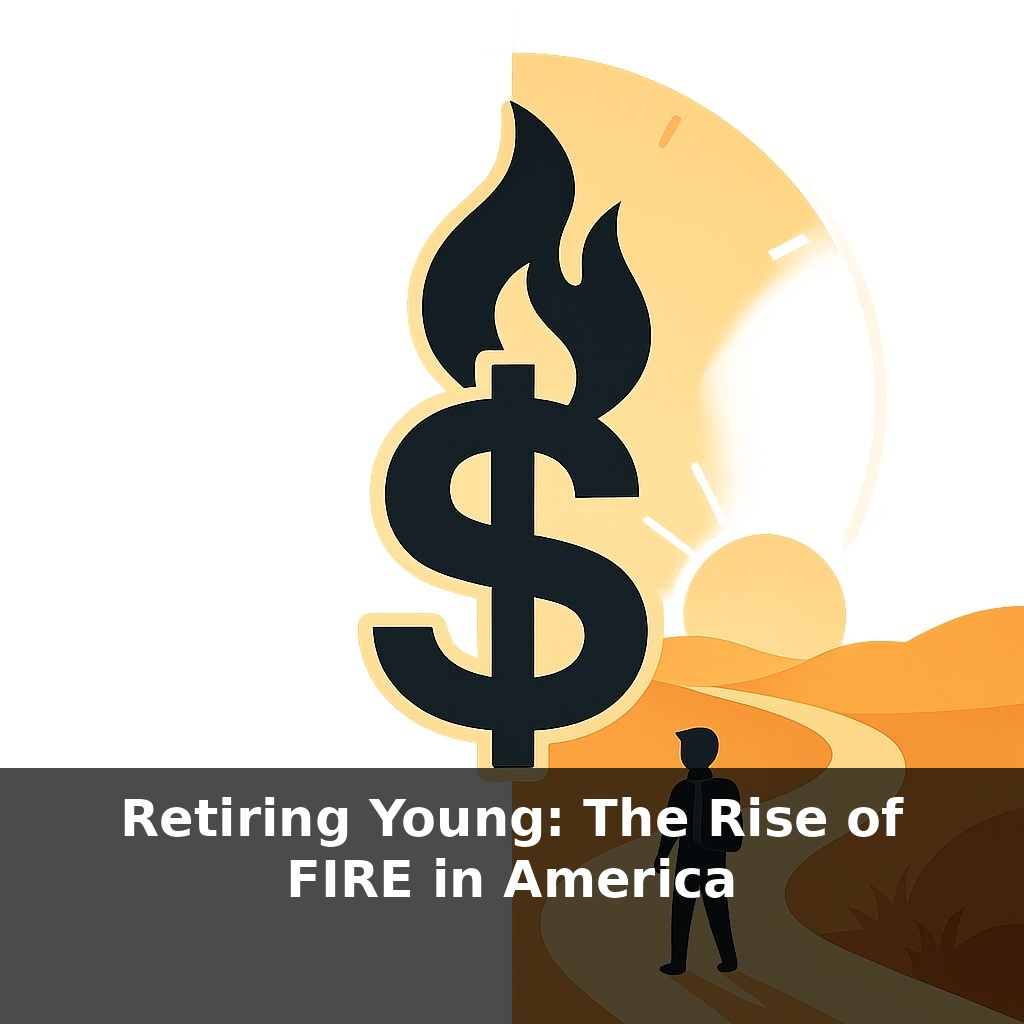
In the 1990s, a few obscure money manuals quietly planted a rebellious idea: what if “normal” timelines for work and retirement were optional, not fate? Two decades later, that fringe idea has a name, an acronym, and millions of followers swapping spreadsheets and life plans on Reddit, YouTube, and podcasts. The FIRE movement isn’t just about leaving your job; it’s about questioning every default setting in American life—from the “dream house” to the luxury SUV to the prestige career that never lets you log off. Instead of asking, “Can I afford this payment?” people start asking, “Is this worth three extra years at my desk?” As more jobs go remote and side hustles go mainstream, FIRE morphs from a rigid finish line to a flexible toolkit for designing work on your own terms, long before your sixties.
By the 2010s, blogs and forums turned this quiet rebellion into a blueprint people could copy, tweak, and argue over in public. Instead of following a single guru, thousands of ordinary workers compared paychecks, rent, and trade‑offs in real time. Variants emerged: some aimed for ultra‑lean lifestyles, others for high‑comfort versions with private schools and frequent travel. Healthcare fears, student loans, and unstable careers shaped the math. Suddenly, a “normal” path—30‑year mortgage, car upgrades, maxed‑out lifestyle—started to look less like adulthood’s default and more like an optional software preset you could rewrite.
Men in America still expect to retire around 64, women around 62—yet online, you’ll find people in their thirties quietly walking away from full‑time work with portfolios larger than their parents ever had. The gap between those two realities is where FIRE gets interesting.
Under the surface, most plans start with an unglamorous question: “What does a good life actually cost me each year?” Not the Instagram version, not your neighbor’s version—the number that reflects your real priorities. For some, that means a small apartment and big travel budget. For others, it’s staying put near family and cutting everything that doesn’t serve that goal. The target isn’t age; it’s a dollar figure that covers *your* version of enough.
Once that number is clear, the levers multiply. People in high‑cost cities negotiate remote arrangements and move to lower‑cost areas while keeping big‑city salaries. Others layer in freelance coding, tutoring, or weekend catering to boost income without committing to endless overtime. The conversation shifts from “How do I survive this job?” to “How can I shorten my dependence on this paycheck?”
Costs get attacked with the same creativity. Instead of obsessing over lattes, FIRE followers look at “big rocks”: housing, transportation, food. House hacking—with roommates, basement rentals, or duplexes—turns shelter from a pure expense into a partial income source. Swapping two car payments for bikes plus one paid‑off used car can free thousands a year. Bulk cooking, warehouse clubs, and learning a handful of versatile recipes quietly shave hundreds off monthly spending without feeling like deprivation.
The mindset change might be the most radical part. Work becomes a tool, not an identity. Many who “retire” early keep working in some way: launching small businesses, subbing at schools, guiding hikes, or taking seasonal gigs at national parks. They’re less focused on never earning another dollar and more on never again *needing* to say yes to work that drains them.
Like configuring software, FIRE in practice is a series of toggles: city or countryside, renting or owning, solo or roommates, career sprint now or steady pace for longer. Instead of one prescribed path, there’s a menu of choices—and each combination leads to a different version of financial independence.
A software designer in Denver decides her “enough” includes snowboarding passes and free evenings, not a corner office. She moves into a small duplex near a bus line, rents the other half to a traveling nurse, and channels the extra cash into broad index funds. Within a few years, she scales down to a four‑day workweek—long before any official retirement date. A nurse in Ohio does the opposite: keeps the big family house but invites her brother’s family to share it. The combined childcare, grocery runs, and split utilities slash everyone’s costs while preserving a noisy, multigenerational home life. A Maryland couple treats their plan like iterating an app: once a quarter they “debug” their spending, patching leaks like unused subscriptions or insurance overlaps, then “ship” a new version of their budget. One analogy: FIRE works like optimizing a server—reduce background processes (waste), increase efficient throughput (income), and you gain more uptime for the tasks you actually care about.
As more people aim for FIRE-style freedom, ripple effects could touch everything from city design to climate policy. Towns courting footloose savers might prioritize walkable neighborhoods, co-working hubs, and community clinics over office parks. Careers could start to look more like playlists than single albums—short, intense “tracks” of work punctuated by sabbaticals. And if consuming less becomes a status symbol, brands may pivot toward durability and repair, like chefs finally embracing nose‑to‑tail cooking.
In the end, FIRE is less a finish line than a language for trading time, money, and meaning. Some people use it to fund sabbaticals for caregiving, others to test-run passion projects like food trucks or indie games without betting the house. Your numbers might stay private, but the questions it raises—how much is “enough,” and for what—are starting to reshape public conversations, too.
Start with this tiny habit: When you open your banking app to quickly “just check the balance,” glance at yesterday’s transactions and tap the smallest non-essential purchase (like a coffee or snack) and mentally label it “FIRE fuel.” Then, round that amount down in your head (a $4.60 coffee becomes $4) and imagine moving that $4 into a “Freedom Fund” instead. For the first week, don’t actually move the money—just practice noticing and labeling one tiny purchase per day as potential FIRE fuel.