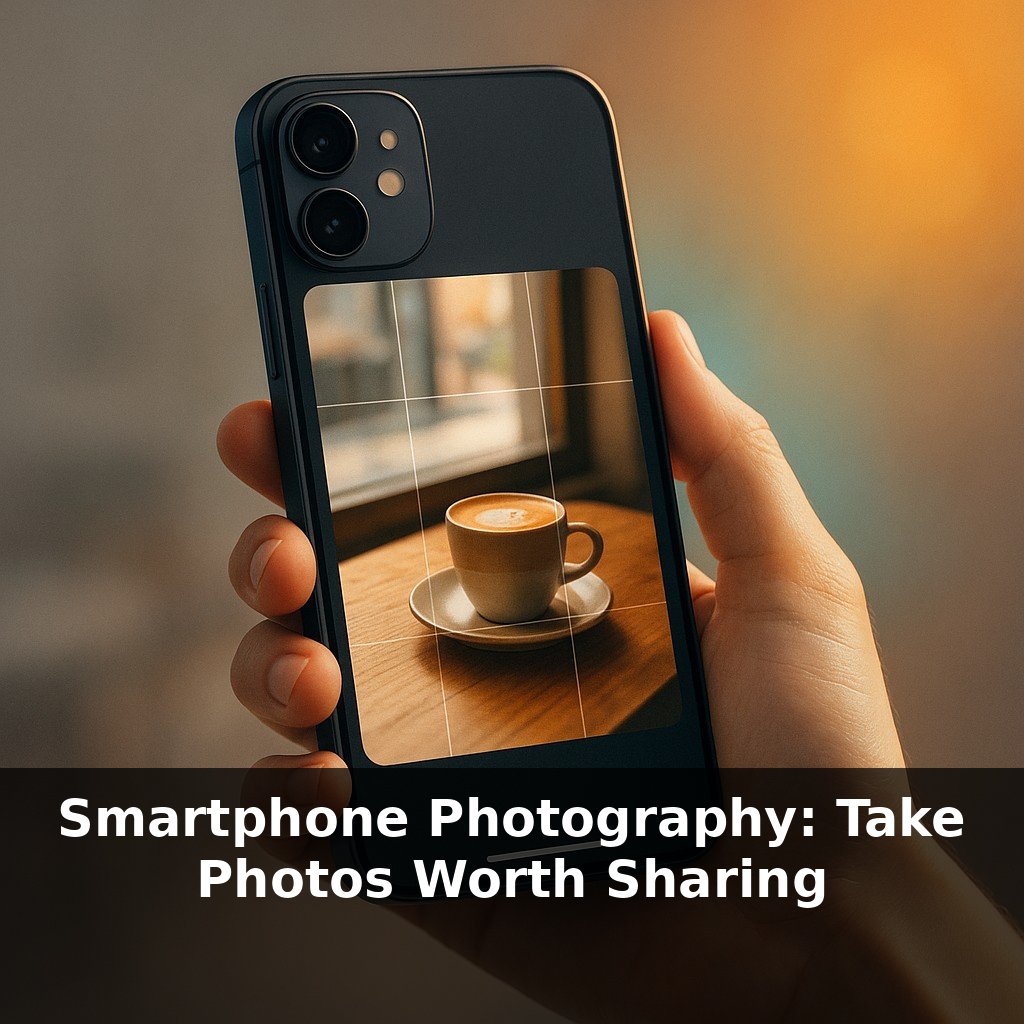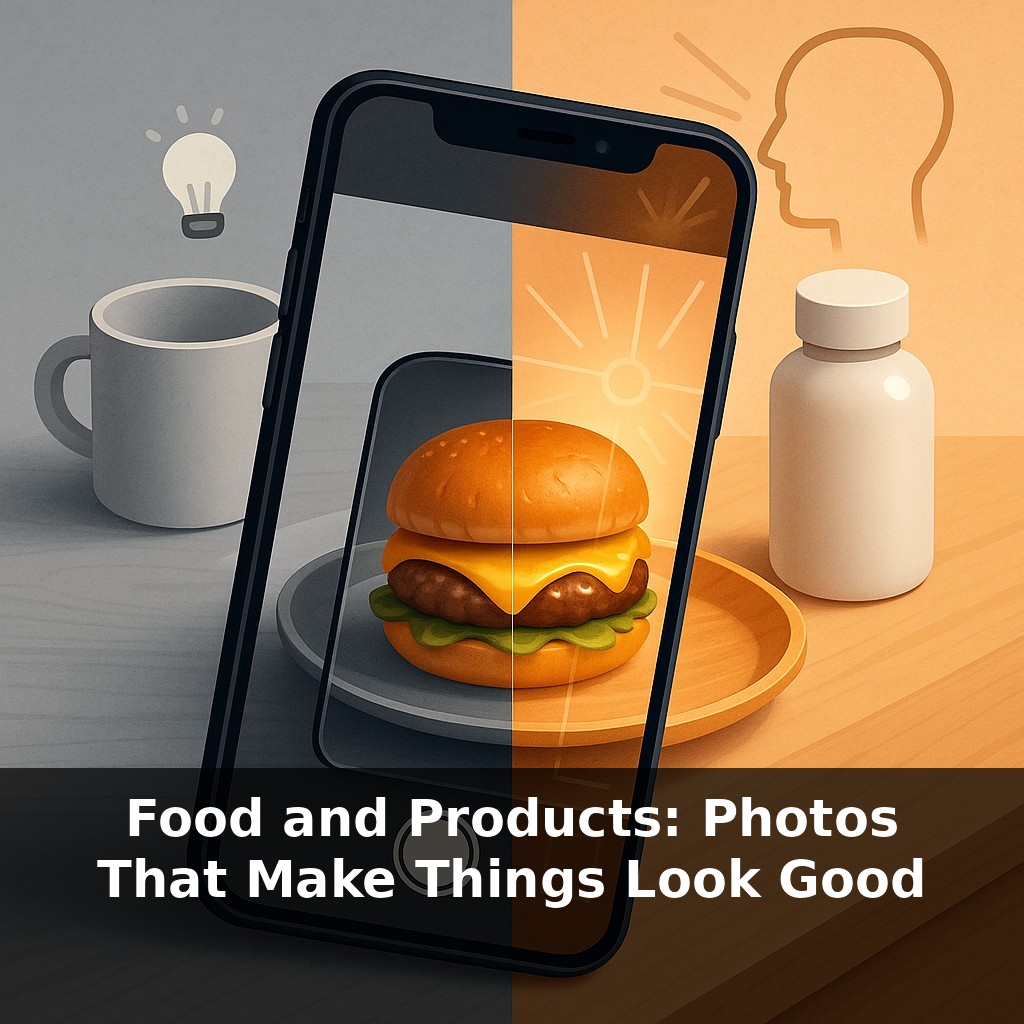
A glossy burger photo can make people crave food over twenty percent more—before they even know what it tastes like. A smartphone hovers over a plate, a coffee cup, a product on a desk. Some shots feel cheap, others feel premium. Same phone. So what invisible detail is doing the heavy lifting?
Ninety percent of what your brain takes in is visual, yet when most people try to make food or product shots “pop,” they blame the phone camera first. Meanwhile, brands are quietly A/B testing images and watching certain photos boost clicks and sales—without changing the product at all. The secret levers? Light, angle, and background, plus a little color know‑how and editing. Think of an online marketplace: that strict white‑background product shot that fills most of the frame isn’t just a rule, it’s a psychological shortcut that screams “professional” and “trustworthy.” On social media, the overhead #flatlay exploded because it turns messy desks and meals into clean, graphic stories. In this episode, we’ll unpack how to use these same ideas with just your smartphone, so even casual snaps of your lunch or side‑hustle product start to look intentionally crafted—not accidental.
Think about the last time you scrolled past a food pic and stopped so fast you almost poked the screen. Odds are, it wasn’t the dish itself—it was the way it was lit, framed, and surrounded. Professional shooters treat a scene the way a chef treats a plate: they decide where the “main flavor” goes, what supports it, and what gets scraped off. For food and products, that means choosing light that flatters texture, an angle that clarifies shape, and a background that quietly tells a story. In this episode, we’ll slow down each of those choices so you can rebuild that “wow” shot on purpose.
Start with light, but think smaller than “good lighting” and bigger than “stand near a window.” What matters for food and products is how *soft* the light is, where it’s *coming from*, and how it touches textures.
Soft light comes from big sources. With a phone, that means: get closer to a window, but keep the subject a little *inside* the room so rays spread out. If the sun is harsh, hang a sheer curtain or tape white baking paper on the glass; you’ve just built a cheap diffuser. Watch what happens to crumbs on toast or the ribbing on a bottle cap: shadows lose their hard edges, but you still see shape.
Direction is your next lever. Slide your plate or product around the window like a clock. At “3 o’clock” side light, bumps and edges pop. At “1 or 2 o’clock,” you get gentle modeling with enough depth for glossy highlights to appear without blinding glare. Rotate the *subject* before you move your phone; you’re sculpting with light, not just chasing a convenient angle.
Now consider angle with respect to *purpose*. Three quick rules of thumb:
- Three‑quarter (around 30–45° above the table) works for most things with height—mugs, burgers, skincare bottles. The front feels inviting, the top still reads. - Eye‑level dramatizes height: perfect for a stack of pancakes, a tower of cookies, or a tall can. - Top‑down is strongest when arrangement matters more than depth—think ingredient boards or desk layouts.
Let the product “decide.” If the key feature is a shiny surface, tilt until that MIT‑style gloss sits *on* the curve, not blown out to pure white. Move one or two degrees at a time and watch reflections slide like weather fronts across the surface.
Background and props should act like quiet supporting actors. For food, aim for textures that contrast the dish: creamy soup on a matte, slightly rough surface; crunchy fries in something smoother and darker so the edges read clearly. For products, steal from Amazon’s discipline even when you’re not on Amazon: keep a simple base color, limit yourself to 1–2 small props that directly relate (a smear of product, one ingredient, a single tool), and leave negative space near where any text or logo will live if this image ever becomes an ad.
As you refine, trust the live preview. Nudge light, rotate objects, strip props away. You’re not hunting for a magic filter—you’re tuning three dials: softness, direction, and simplicity.
Think of three everyday scenes. First: you’re photographing a homemade brownie on your counter. Try placing it near your stove’s under‑cabinet light, then under a cheap desk lamp bounced off a white wall, then by a window on a cloudy day. Watch how the crust goes from dull to rich and crackly, like switching from store‑brand chocolate to the good stuff—same brownie, different treatment.
Second: you’re selling a used smartwatch online. Put it on a wrinkled bedsheet, then on a clean cutting board, then on your laptop’s closed lid. Notice which surface quietly says “trust this seller” without shouting. Often the most “boring” option feels safest.
Third: make a tiny scene with a single apple. Stand it upright; then lay it on its side; then slice it and fan the pieces. Shoot each at slightly different heights. One version suddenly looks like an ad, even though nothing expensive changed—only how decisions stacked. Your job is to chase *that* moment.
Soon your phone might suggest backgrounds the way music apps suggest playlists: “clean kitchen counter,” “sunny café table,” “matte studio setup.” AI tools are learning to mock up scenes before you even pull food from the oven or products from a box, so you can test what sells *before* you shoot. As AR shopping grows, brands will need whole “orchestras” of consistent images from every angle—making your skill with simple, real-world setups even more valuable, not less.
Treat your next meal or product like a tiny movie set: you’re casting light, angle, and background in starring roles, then letting your phone quietly record the scene. As you practice, you’ll start seeing potential sets everywhere—bus stop benches, cafe tables, office desks—each one a different “stage” where ordinary objects can audition for extraordinary photos.
Here’s your challenge this week: pick ONE food or product you actually have at home, and create a 5-shot mini photo story of it: a wide “hero” shot, a close-up texture shot, a process/prep shot, a “messy” real-life shot, and a final styled shot. Use only natural light from a window, turn off all overhead lights, and experiment with moving the item to at least three different spots to see how the light changes the mood. Limit yourself to two props (like a napkin and a spoon, or a book and glasses) so you’re forced to focus on composition, angles, and the product/food itself. When you’re done, choose the ONE image that best makes the item look irresistible and set it as your phone lock screen for the week as a reminder of what worked.