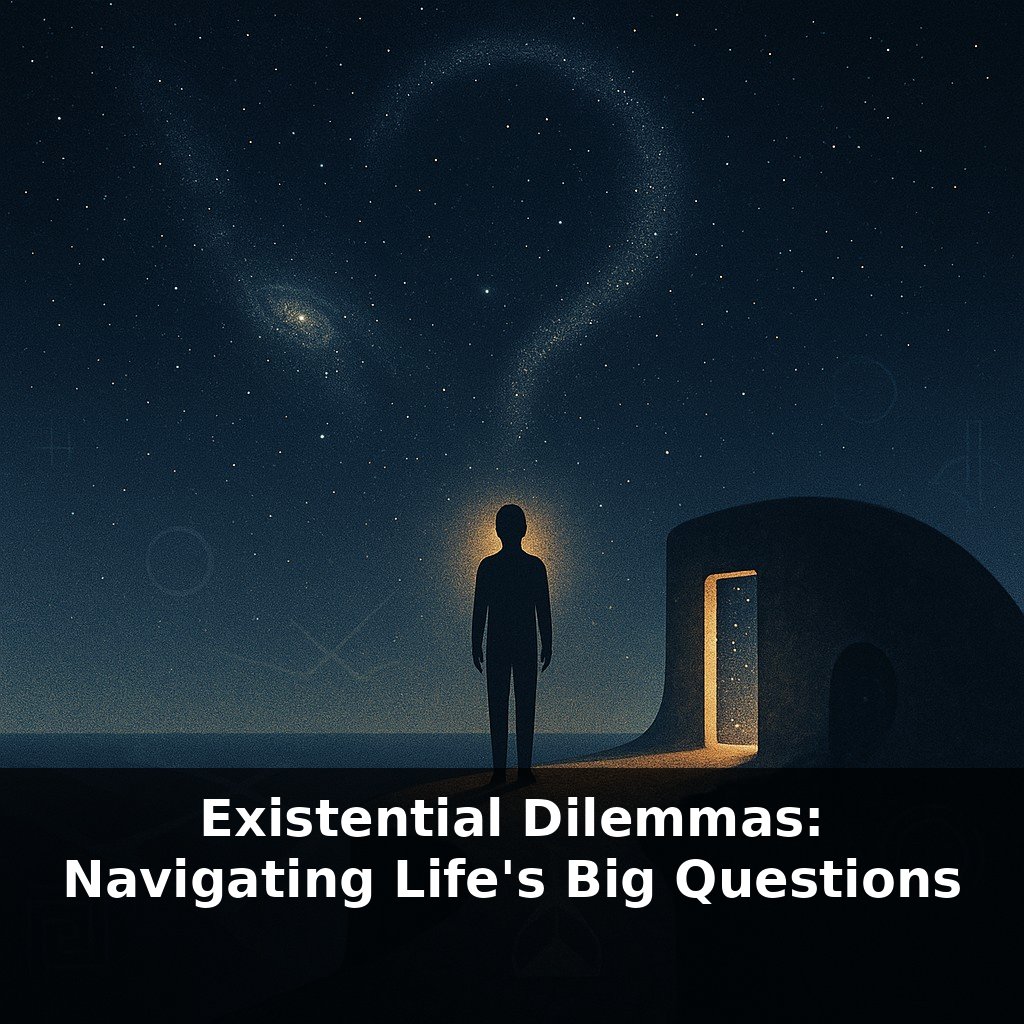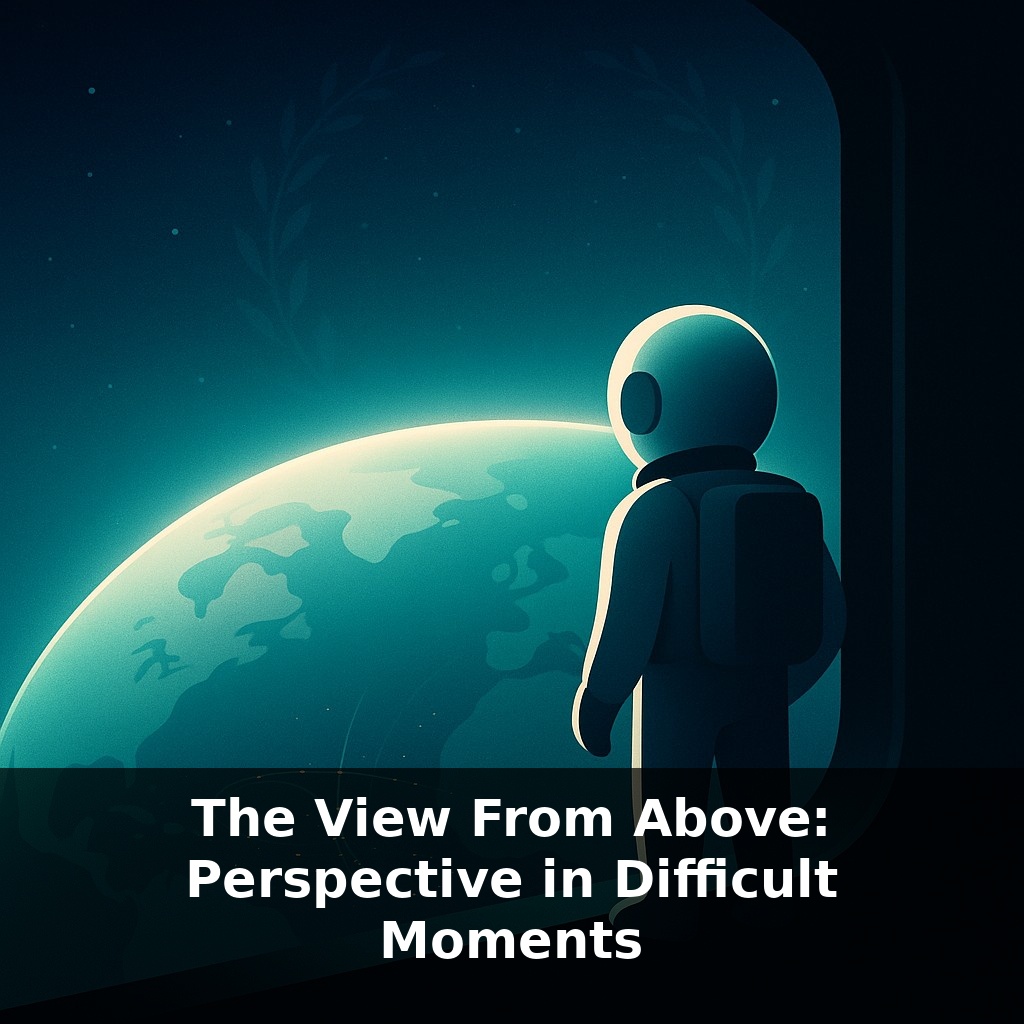
An astronaut steps out of the capsule and suddenly bursts into tears—not from fear, but from awe. From far above Earth, their biggest worries shrink. Now zoom back to you, stuck in traffic or conflict. How different would your problem feel if you rose even a few mental floors higher?
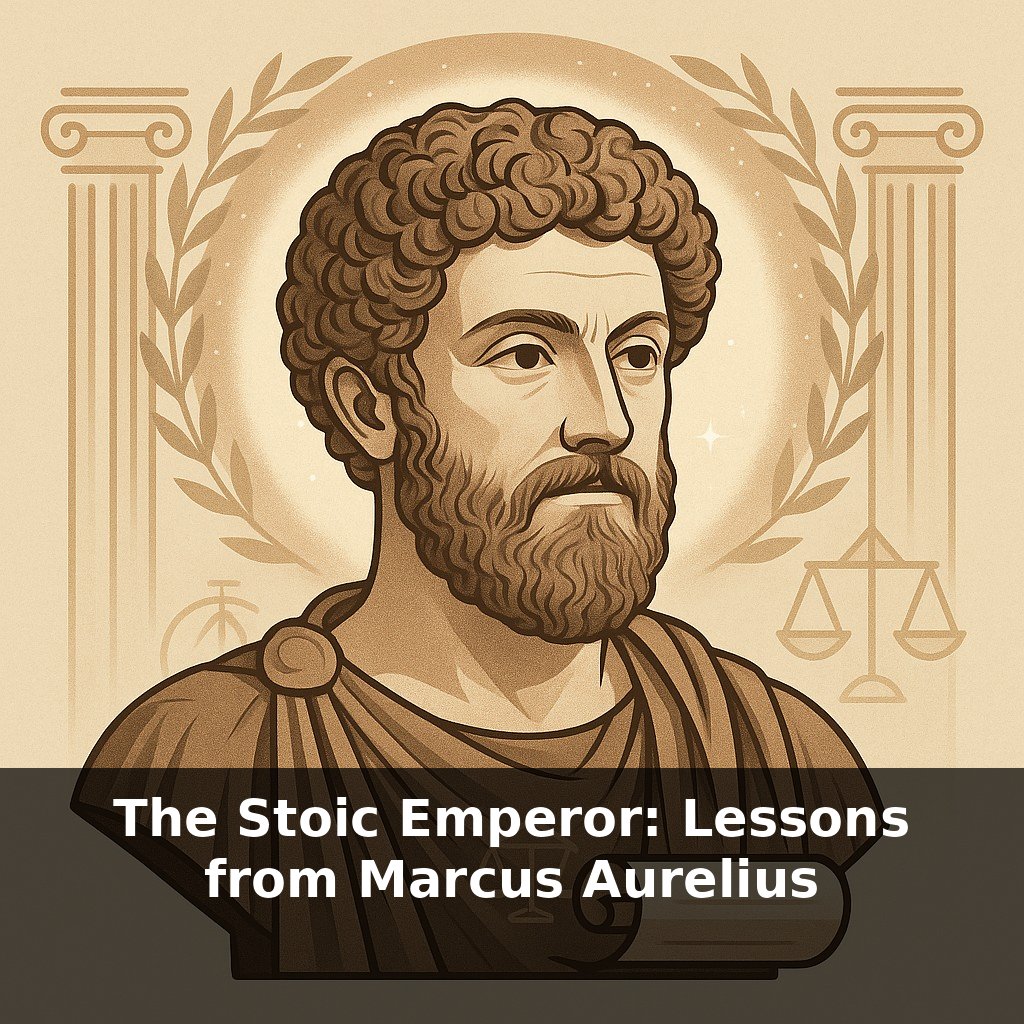
Marcus Aurelius practiced something very close to what astronauts now describe: the View From Above. He would picture himself first above his city, then his country, then the Earth itself, watching people rushing, arguing, striving—and then vanishing into history. Not to depress himself, but to loosen the grip of whatever felt unbearable that day: an insult, a setback, a fear about the future.
Modern psychology has caught up with this ancient habit. Researchers call it “self-distancing” or “high-level construal”—shifting from “I, here, right now” to “that person, in this wider situation.” You’re not denying your feelings; you’re changing the frame they sit in. Like adjusting the seasoning in a soup, a small shift can transform the whole flavour of an experience—without changing the ingredients of your life at all.
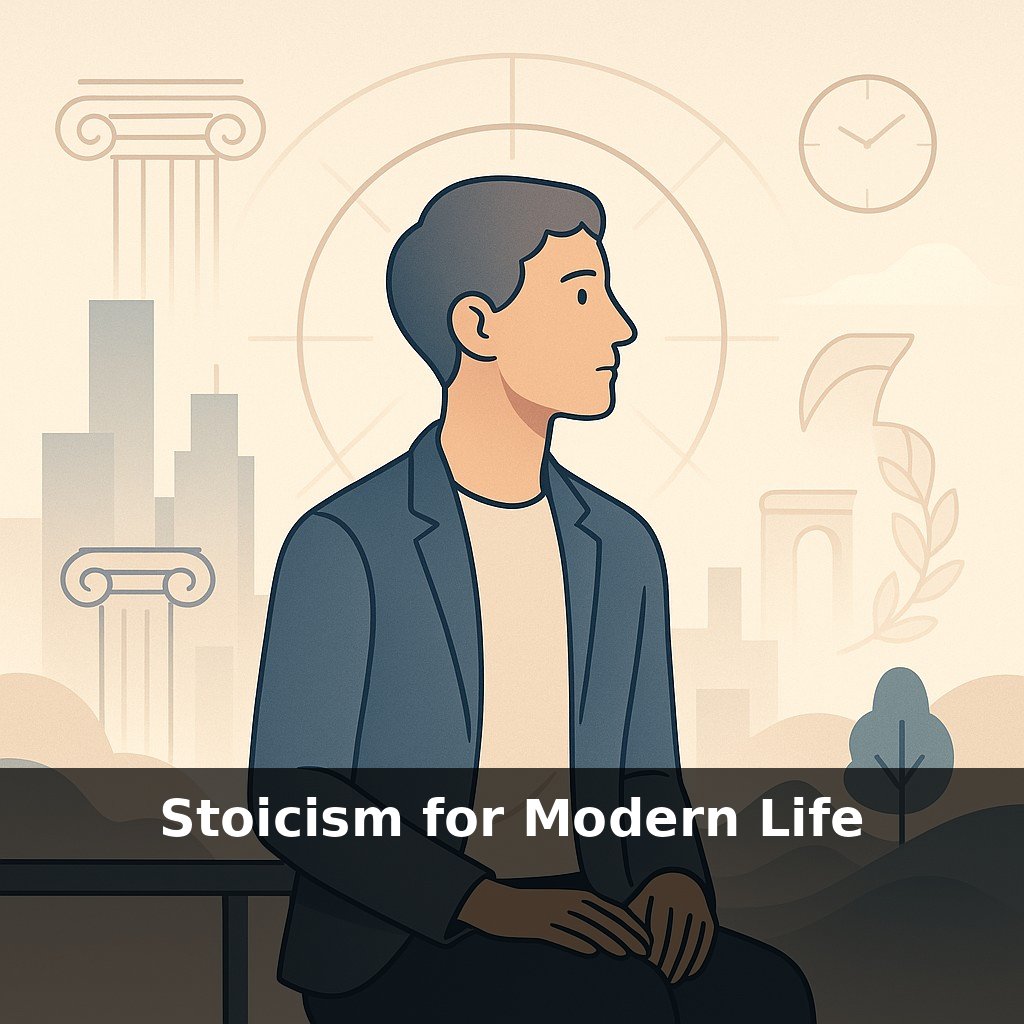
Instead of treating this as a lofty ideal, treat it like a practical tool you can pull out in messy, ordinary moments. The research is clear: when people adopt this wider lens during arguments, stress at work, or looping worries at night, they react less impulsively and solve problems more creatively. It’s not about becoming detached or passive; it’s about creating just enough inner space to choose your response. Think of those times you later say, “I wasn’t myself.” This practice helps you access that wiser “later self” while it still counts, right in the heat of the moment.
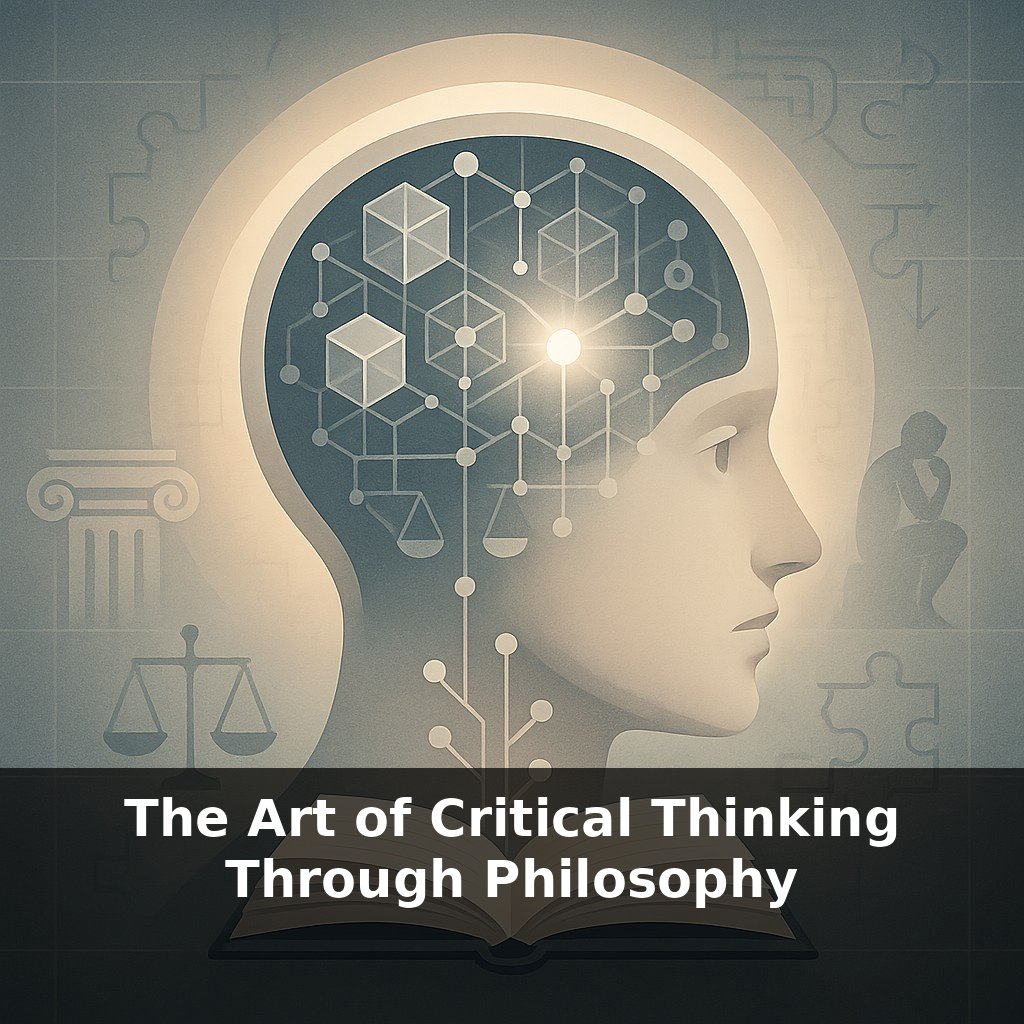
Modern research adds some concrete edges to what can otherwise sound poetic. When people deliberately “step back” in heated moments, their brain activity literally shifts: regions involved in emotional reactivity quiet down, while those linked to perspective-taking and planning switch on more strongly. In one conflict study, simply talking about themselves as “you” instead of “I” cut anger by a third and helped participants generate more constructive solutions. It’s the same life, same stressor—but a different mental posture toward it.
Stoic writers intuited this long before fMRI scanners. Marcus Aurelius would list emperors who once ruled everything and are now names in dusty books. Epictetus urged students to see themselves as citizens of a larger human community, not just residents of one street or job or role. Hidden in these exercises is a shift of question: from “Why is this happening to me?” to “How does this fit into a bigger story—and who do I want to be inside it?”
That shift isn’t mystical; it’s cognitive work. In therapy rooms, people practice it by asking, “How would I describe this day from the outside, as if I were a neutral reporter?” or “How will I remember this week five years from now?” In leadership programs, executives are trained to mentally “go to the balcony” during tense meetings, noticing patterns instead of just jabbing back. Astronauts, unprompted, do something similar when they look down at Earth and start talking not about their to‑do lists, but about rivers, cities, and generations.
Crucially, this isn’t about minimizing real pain. A serious diagnosis, a betrayal, a job loss—these remain heavy. What changes is the range of possible responses. From a cramped mental corner, only fight or flee seems available. From a slightly higher mental floor, other paths appear: setting a boundary without cruelty, grieving without collapsing, planning next steps without denial.
There’s also a quiet social effect. When you see yourself as one person among billions, status anxiety softens. Envy has less air. The person who just snapped at you becomes less “enemy” and more “another stressed organism having a bad day.” That doesn’t excuse harm, but it often makes proportionate responses easier. Over time, practicing this broader stance can turn moments that would have become feuds into brief frictions that simply pass.
You’re mid-argument in a group chat, thumbs flying, pulse racing. Instead of crafting the perfect comeback, you pause and mentally “step outside” the screen. You picture the whole conversation as a transcript someone else will skim tomorrow. Suddenly half the zingers you were about to send look… expendable. You delete three, send one, and ask a clarifying question instead.
Or you’re stewing over a performance review that felt unfair. Rather than replaying each sentence, you replay the scene as if you’re watching a short documentary about “an overwhelmed manager delivering clumsy feedback.” You notice their rushed tone, the backlog of emails on their screen, the fact that they never looked up. Your options subtly change: less courtroom, more diagnosis and treatment plan.
Analogy: it’s like a doctor reading your chart instead of your diary—same data, different use. One is for feeling, the other for deciding what to do next.
If this practice scales—through VR, apps, or simple daily habits—it could start reshaping how we respond to public crises and private setbacks. Family arguments might cool faster; online debates might tilt from point‑scoring to problem‑solving. Politics could feel less like a boxing ring and more like a town meeting after a storm: still tense, but focused on rebuilding. Over time, this subtle shift might not erase conflict, but it could change its default setting from “us vs. them” to “we have a shared mess—now what?”
Your challenge this week: once a day, pause during a minor annoyance and ask, “How would I narrate this to a friend tonight in two sentences?” Like reducing a sauce, trimming details concentrates what matters: patterns, values, next moves. Over days, you may notice less rehashing, more calm experiments with different responses.