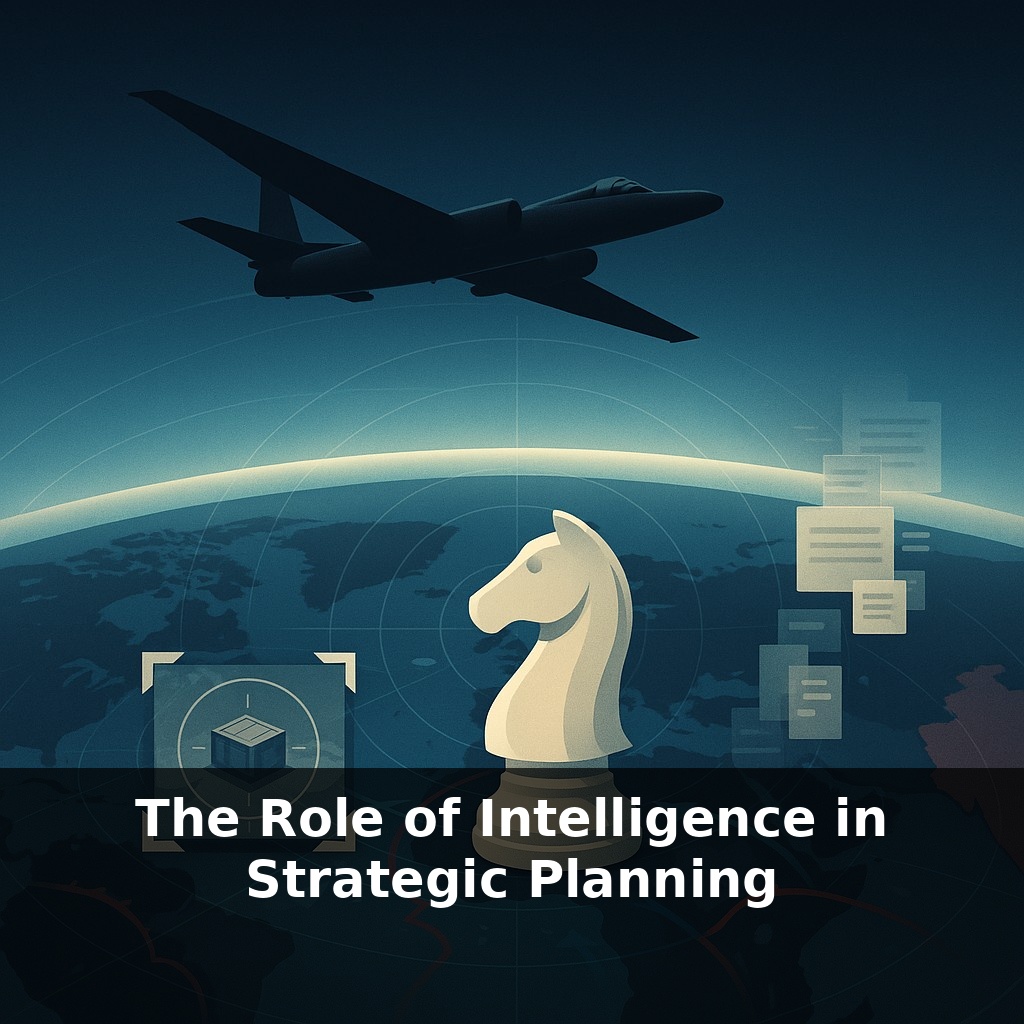
A spy plane once snapped a photo so sharp it could spot objects about the size of a suitcase from the edge of space—yet leaders still almost guessed wrong. In strategy, the danger isn’t lacking data; it’s drowning in it without knowing which signals to trust.
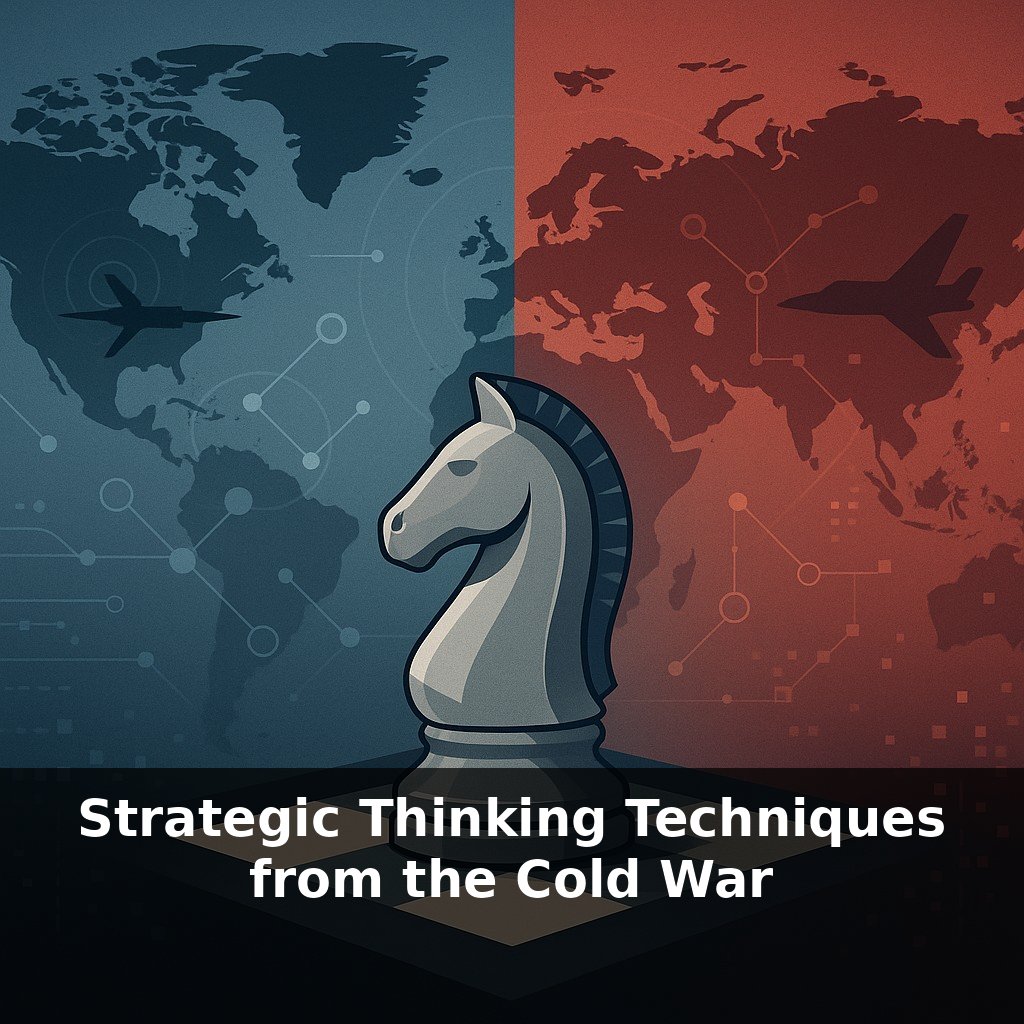
Cold War planners learned fast that sharp photos and thick reports weren’t enough; what mattered was turning fragments into foresight before events sprinted ahead. The U‑2 could spot details on the ground, but leaders still argued over what those details meant, how reliable they were, and which risks they actually changed. Modern teams face a quieter version of that problem every time dashboards light up or a new “must‑have” metric appears. In both cases, the real work starts after collection: comparing sources, probing where they disagree, and asking whose assumptions are quietly steering the analysis. The most effective organizations treated intelligence less like a static archive and more like a living conversation—updated, challenged, and re‑weighted as new inputs arrived. That’s where strategy separates from guessing: not in having more information, but in systematically stress‑testing what you think you know.
Cold War agencies quietly built routines we now call “intelligence cycles”: collect, check, interpret, share, decide, then loop back. They learned that a single briefing could mislead as easily as it could enlighten, so they paired satellite images with defectors’ stories, economic indicators, even grain harvest reports. Modern teams face parallel choices: Do you trust the sales forecast or the social listening spike? The board report or support tickets? Treat each source like a different witness to the same event—partial, biased, yet still valuable when compared side by side.
Cold War planners discovered that *where* you look often matters more than *how much* you see. Early in the era, they chased dramatic secrets—spy meetings, hidden bunkers—while overlooking quieter indicators like freight schedules, crop yields, or shipbuilding delays. Over time, they learned to start with a sharp question (“What would the Soviets need to move, buy, or test if they were preparing X?”) and then hunt for specific traces in multiple places. That shift—from hoarding information to framing targeted questions—turned sprawling surveillance into focused inquiry.
One underappreciated lesson is how much came from public, legal sources. Analysts scanned newspapers, scientific journals, patent filings, trade statistics, even sports travel. If a “closed” research city suddenly sent fewer athletes abroad, something might be up. Open‑source pieces were cheap, frequent, and often faster than clandestine reports. The art was not in discovering a single dramatic leak, but in quietly stacking dozens of low‑drama clues until a pattern became hard to ignore.
Corporates later copied this logic. Shell’s scenario team didn’t predict the 1973 oil shock by waiting for a secret memo from OPEC; they combined small anomalies—political rhetoric, tanker charter rates, marginal field economics—into plausible futures and then asked, “If this path unfolds, what decisions would we regret not making today?” The payoff wasn’t a perfect forecast; it was being less surprised than competitors.
Bias was the constant threat. During the Bay of Pigs planning, decision‑makers filtered every concern through a pre‑chosen story: that Cubans would rise up if nudged. Dissenting intelligence existed, but it was sidelined because it contradicted the preferred narrative. Later, review boards forced planners to surface “competing hypotheses” and demand at least some evidence *against* the favored view before green‑lighting major moves.
A practical takeaway: treat each new report less like a verdict and more like a single transaction in a noisy market. No one trade sets the price, but clusters, trends, and outliers signal a shift. Strategic thinkers don’t just ask, “What does this new data say?” They ask, “How does this change the balance of evidence—and what, if anything, should we do *differently* because of it?”
A founder evaluating a new market might mirror Cold War analysts by layering insights: customer interviews, scraped pricing data, failed competitor post‑mortems, and even job postings hinting at rivals’ priorities. None alone is decisive, but together they narrow the plausible moves. Think of a portfolio manager watching an unfamiliar sector: instead of betting on a single “hot tip,” they watch earnings calls, regulatory notices, supply‑chain chatter, and hiring slowdowns. When three or four of those tilt the same way, exposure is quietly raised or cut. In product work, teams can treat each support ticket, churn survey, and feature request as one clue about “what’s breaking trust.” A single complaint is noise; recurring patterns, backed by usage logs, justify redesign. Even in personal decision‑making—choosing a career pivot, say—you can gather small, testable signals: trial projects, conversations with people already in the field, salary bands, and demand trends. The discipline is to adjust course only when multiple, independent pieces line up.
Boards and dashboards will soon feel like rear‑view mirrors. As satellite streams, quantum‑grade sensors, and customer exhaust merge, advantage shifts to leaders who can treat their org like a well‑tuned radio: constantly adjusting the dial to cut static and catch faint but meaningful shifts. The frontier skill isn’t hoarding feeds, but deciding which patterns deserve experiments, which demand restraint, and which must trigger uncomfortable, early moves.
Your challenge this week: before making one meaningful decision, pause and list three concrete things that would change your mind—then seek them out. Treat news, dashboards, and opinions like weather reports: note direction and intensity, not just temperature. Over time, you’ll train yourself to move from reacting to headlines to quietly spotting front lines.