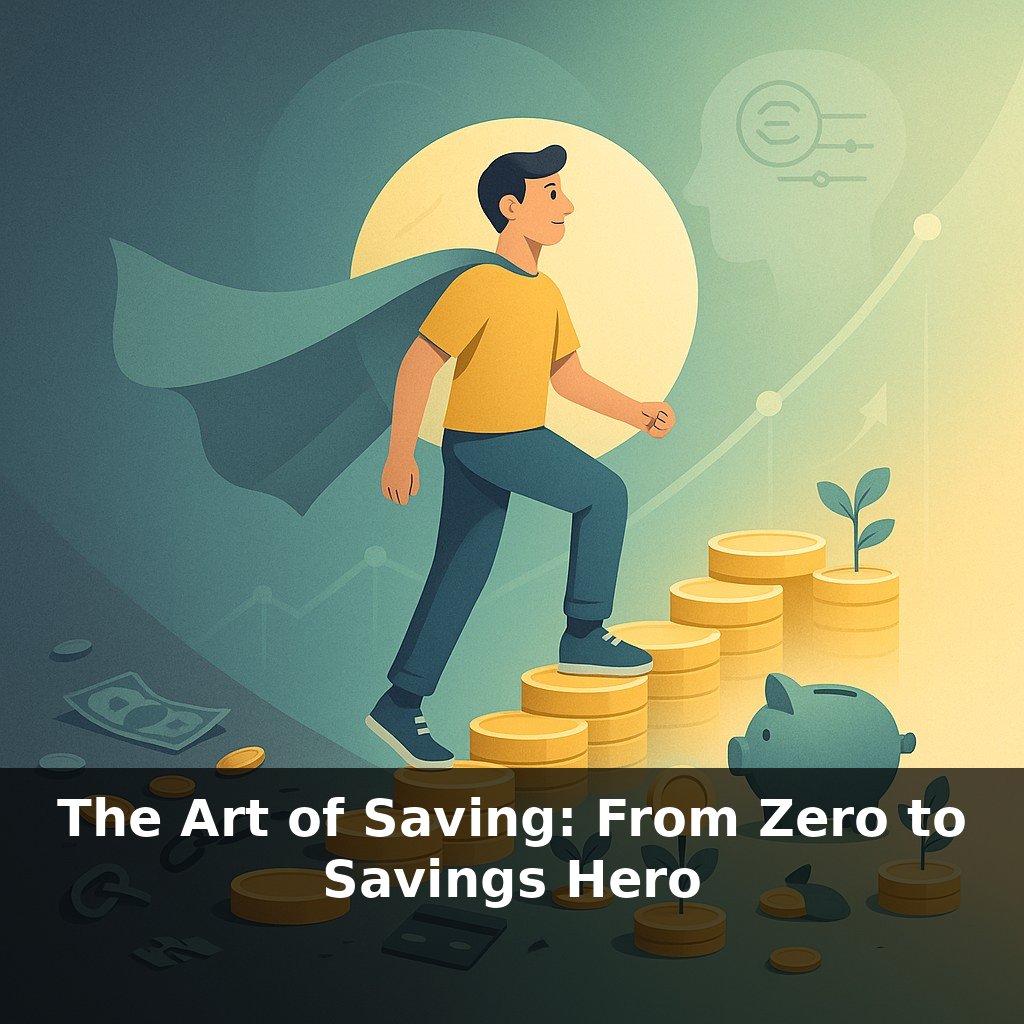
You check your banking app and see your savings jumped by just twenty bucks. Most people shrug that off. But here’s the twist: small, tracked wins like that make you dramatically more likely to hit your big goals than a rare, massive deposit you never pay attention to.
You already know that noticing those tiny jumps in your savings matters. Now we’re turning that idea into a system you can actually stick with. The research is clear: when you give your brain frequent “proof” that you’re making progress, it keeps showing up for the next step—especially when that progress is visible, specific, and slightly exciting.
Think of how a fitness tracker nudges you forward: step counts, streaks, and little on-screen fireworks do more than entertain you. They quietly answer the question, “Is this working?” every single day. Your money needs that same kind of feedback loop.
In this episode, we’ll explore how to: - Turn vague saving into a game you can measure - Use visual progress tools without getting obsessed - Celebrate without derailing your momentum
You’ll leave with a simple, repeatable way to actually feel your progress—long before your account balance feels impressive.
So now that you’ve got the idea of making progress visible, the next step is deciding *what* to watch and *when* to cheer. This is where clear, time-bound goals matter. Instead of “save more,” think “$500 emergency cushion in 10 weeks” or “$1,200 for travel by September.” That kind of specificity turns your savings into something you can actually score against. Then you layer in checkpoints—weekly targets, halfway marks, mini “level-ups” at 25%, 50%, 75%. Just like unlocking features in a new app, each milestone gives your brain a reason to stay logged in and keep playing.
Most people think the hard part is moving money into savings. The data quietly disagrees: the real difference-maker is how often you *check in* on that money and what you do when you hit mini turning points.
People who set explicit savings targets are about 1.5× more likely to hit them, but that’s only half the story. The other half is monitoring: studies show that when you regularly compare “where I am” to “where I planned to be” on a calendar, your odds of success jump by 40–60%. It’s not magic; it’s your brain getting a steady stream of “this is working, keep going” signals.
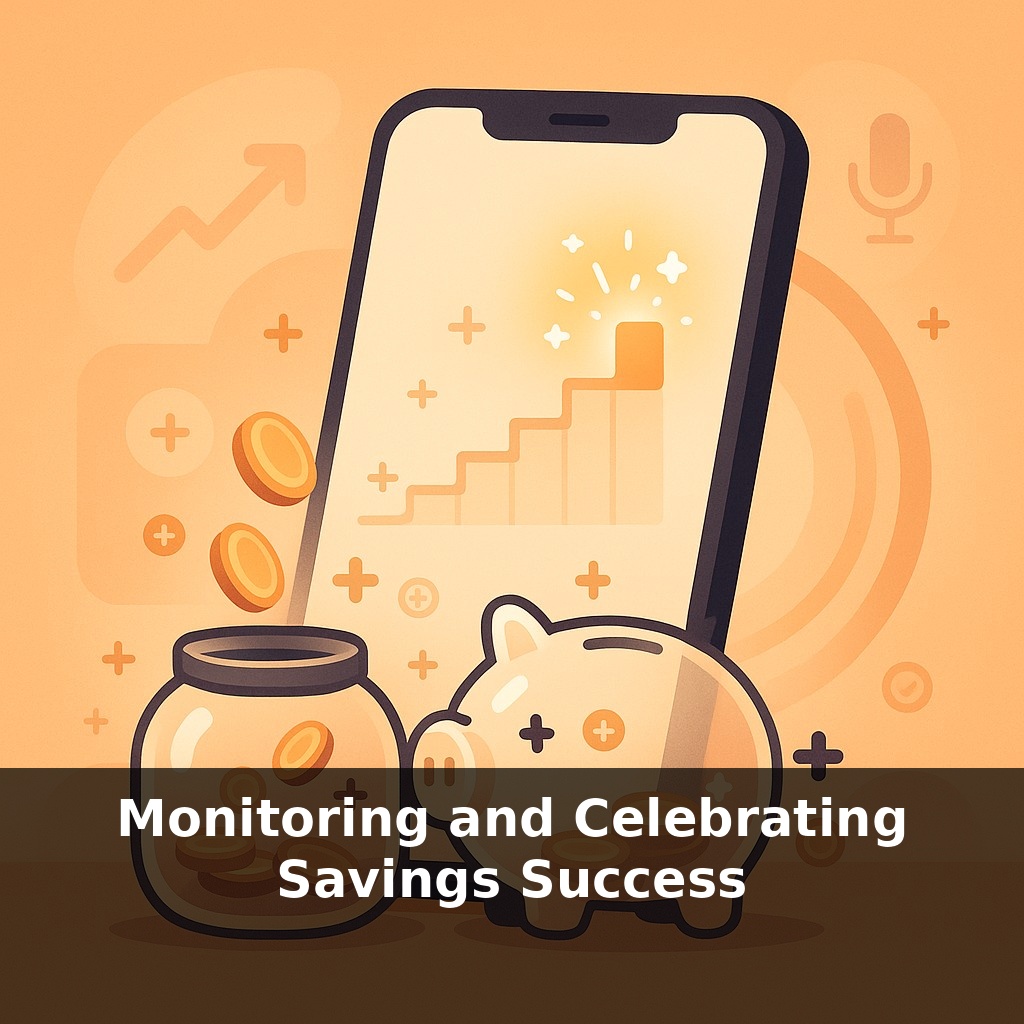
Here’s where tools matter. A plain balance number doesn’t tell you much about *direction*. A simple bar that fills up, a progress ring, or a weekly streak counter turns random deposits into a visible pattern. One University of Kansas study found that people using visual trackers boosted their weekly savings deposits by 18% on average. You’re not just saving; you’re watching yourself *become* someone who saves.
That’s also why streaks and badges work so well, especially for Gen Z—81% say that digital badges or streaks make them more likely to save. Those tiny pings of recognition light up the same reward circuits as getting a like on social media, but now they’re tied to your future, not just your feed.
The trap is assuming that automation alone will carry you. Automated transfers are powerful, but if you never look at them, your brain files them under “background noise.” Periodic reviews—weekly or at least monthly—do three essential things: they confirm that transfers are actually happening, they reveal if your timeline needs adjusting, and they give you a natural moment to celebrate a checkpoint.
Celebration doesn’t have to mean undoing your progress. Research from behavioral finance labs suggests that “micro-rewards” under about 1% of your goal don’t measurably slow you down. That might be choosing a favorite snack at home, taking an hour of guilt-free downtime, or sharing a screenshot of your progress with a friend. The point is to *notice* and mark the moment.
Think of it like training logs in pro sports: athletes don’t just show up to the game; they track reps, review video, and highlight small wins along the way. Your savings deserve that same level of deliberate attention—lightweight, consistent, and just rewarding enough to keep you coming back.
Raj uses his banking app like a dashboard. Every Friday, he screenshots his balance and drops it into a “Wins” album on his phone, labeling it with the date and percent of his target. At first, the screenshots look almost identical. Three months in, scrolling that album is like watching a time-lapse of his progress—he can *see* the compounding effort, which makes skipping a deposit feel like breaking a visible pattern.
Mia takes a different route. She creates three “tracks”: Emergencies, Fun, and Future. Each gets a simple, color-coded tracker on her whiteboard. Any time she rounds up a purchase or gets unexpected cash, she assigns it to one track and colors in a tiny segment. It turns windfalls and spare change into intentional moves instead of random noise.
If you prefer structure, think like a software release cycle: set “versions” of your savings life—v1.0 might be $250, v2.0 is $750, v3.0 is $1,500. Each version ships with a tiny celebration and one upgraded habit you’ll keep.
As nudges get smarter, your savings “check-ins” may feel less like homework and more like a personalized coach quietly adjusting the settings for you. Think of an app that learns you’re most focused on Sunday nights and surfaces a single, tailored milestone then—no noise, just one next move. Workplace tools might evolve too: payroll systems that notice when you’re close to a bonus and suggest a one-time boost, turning rare income spikes into routine progress, without you needing to white-knuckle every decision.
Over time, those check-ins become less like scorekeeping and more like story-building. You start to notice *chapters*: the month you tightened spending, the week a side gig pushed you ahead, the quarter a surprise bill slowed the pace but didn’t end it. Treat your tracker like a sketchbook—unfinished, a bit messy, but steadily revealing who you’re becoming.
Here’s your challenge this week: Log every dollar you move into savings over the next 7 days in a simple “Savings Scoreboard” (notes app or spreadsheet) with three columns: Date, Amount, and What I Did to Save It (e.g., skipped takeout, canceled a subscription, used a coupon). Pick a specific mini-goal for the week—like “$50 from everyday tweaks”—and update your scoreboard once a day at the same time. When you hit that goal, celebrate in a non-spendy way you actually enjoy (like a movie night at home or a long bath) and write one sentence on your scoreboard about how hitting that target felt.