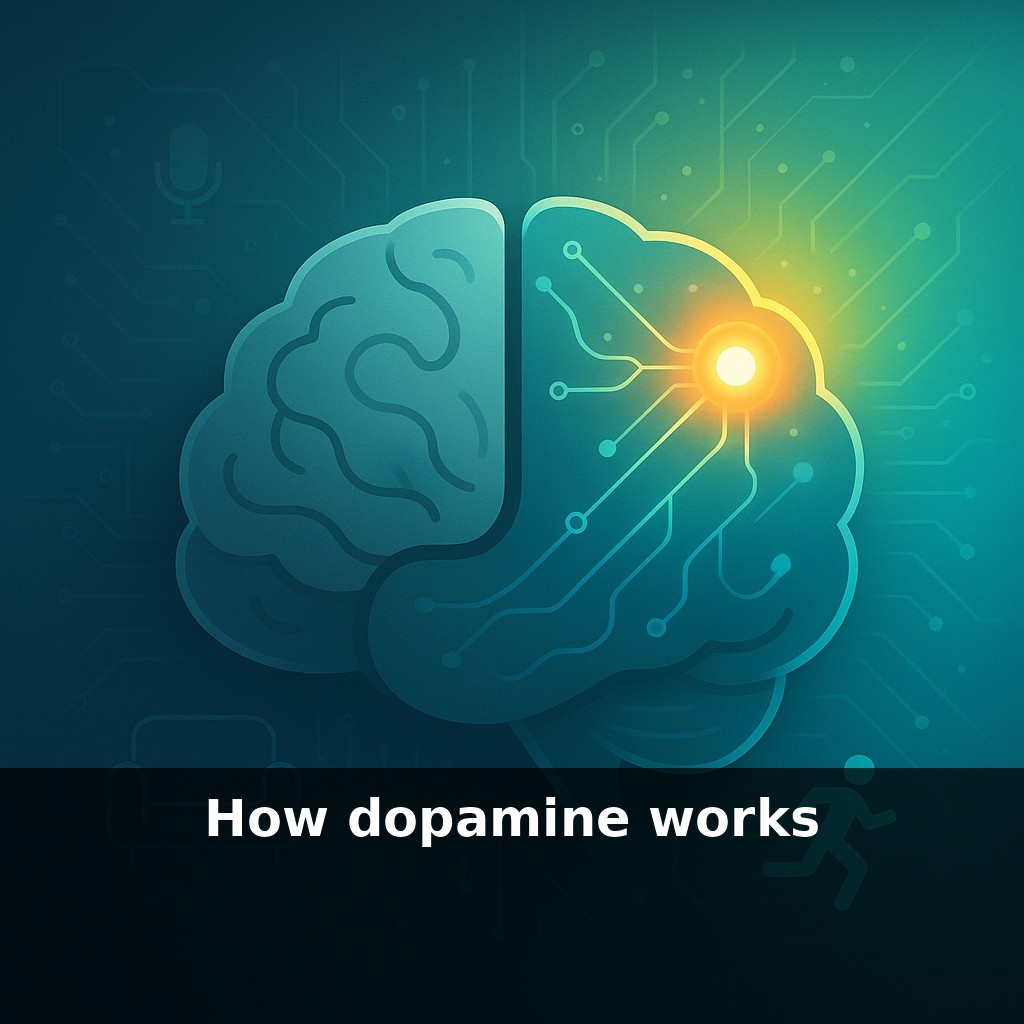
Right now, a tiny fraction of your brain cells is quietly deciding what you crave, what you chase, and what you quit. On Monday it pushes you through a workout; by Thursday it tells you the couch is a better idea. Same brain, same life—so why does your motivation flip so fast?
Some days it feels like you’re piloting your life; other days it’s as if someone subtly swapped out the controls. Same goals, same calendar, but your follow-through has a different “texture”: tasks feel heavier, distractions stick more, even simple plans start to stall. That shift isn’t just about willpower or discipline—it’s about how your brain is tagging certain actions as “worth the effort” right now, and quietly downgrading others. Underneath your to‑do list, there’s a live scoreboard updating in real time, awarding hidden bonuses to certain behaviors and quietly taxing others. That scoreboard runs on tiny chemical pulses that adjust how much friction you feel when you start, how satisfying “progress” feels halfway through, and how strongly a result pulls you back for more. To redesign your habits, you don’t just push harder—you learn to edit that scoreboard itself.
That scoreboard isn’t fixed; it’s being edited by a small, specialized network built around dopamine. These neurons sit in a few deep brain hubs but project outward like a VIP access list, granting “priority status” to certain thoughts, actions, and goals. Crucially, they don’t just light up for fun or pleasure; they spike when something turns out better—or more important—than your brain predicted. Miss a deadline and then pull off a last‑minute save? That surge quietly updates the settings on how urgently you respond next time, the way a navigation app quietly reroutes after live traffic changes.
To see what’s actually being edited, zoom in one level deeper. Those “priority updates” aren’t sprayed everywhere; they travel along a few well‑worn routes, each with a different job. One route runs from the midbrain into areas that shape focus and planning, shifting how sharp or foggy a task feels. Another projects into movement systems, subtly changing how easy it is to get your body to cooperate. A third dives into reward hubs that glue actions to outcomes, so that “do this → get that” becomes a little more or less compelling next time.
Each route speaks the same chemical language but uses different dialects: five receptor types, clustered in different places, with different sensitivities. Some amplify signals (“this matters—turn it up”), others dampen them (“not worth the energy”). In practice, that means the same burst can push you to lean in, freeze up, or just not care, depending on which receptors it lands on and where.
Timing also matters. There are slow, background levels setting your general readiness, and then there are sharp, short spikes that say “update your expectations right now.” Those fast spikes are less about feeling good in the moment and more about teaching circuits which patterns were surprisingly useful. Hit three good writing sessions in a row at a new coffee shop, and tiny, well‑timed peaks start wiring that context to “this is where work happens.”
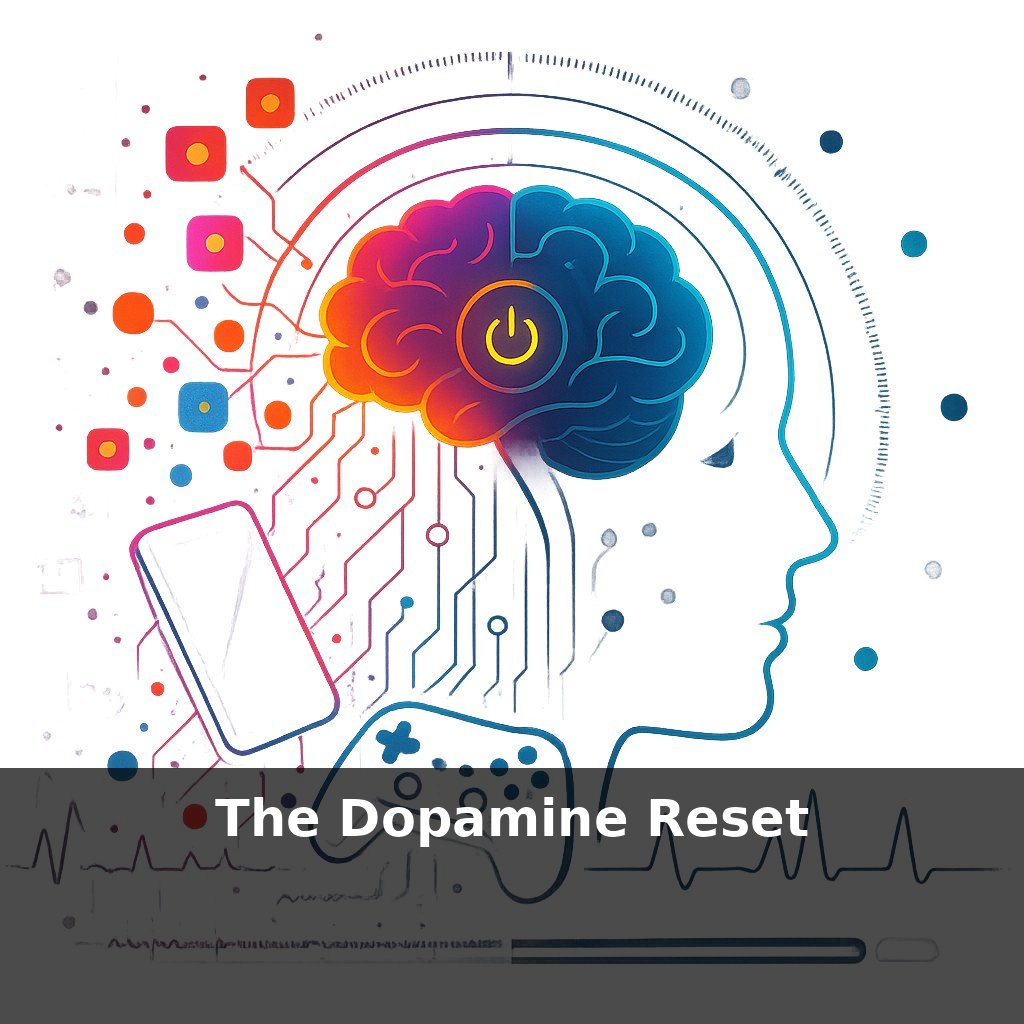
Crucially, these systems respond to contrast, not just intensity. A moderate surge after a low, boring baseline can feel compelling; the same surge on top of constant highs barely registers. That’s one way endless scrolling, frequent novelty, or strong stimulants can quietly flatten the impact of normal wins: the dial stops having room to turn.
Here’s where it gets practical: because these circuits care so much about prediction errors—moments when reality beats your internal forecast—you can influence them by how you set those forecasts. Break a project into sub‑targets that are just hard enough to be uncertain, and each small “better than expected” result generates a more useful teaching signal than one giant, delayed payoff. A bit like adjusting an instrument’s tuning pegs between songs, you’re learning to nudge the system so that realistic, frequent surprises work in your favor instead of being monopolized by distractions.
Think of how a live band adjusts mid‑show. The drummer speeds up when the crowd responds, the singer leans into a chorus that hits harder than expected, the sound engineer quietly dials certain channels up or down. In your brain, dopamine plays a similar role for *timing* and *allocation*—not just “how much” of a behavior you do, but *when* you’re most likely to do it and which cues get a backstage pass.
For instance, the same external reward can hit three people differently depending on recent “setlists.” Someone coming off a dopamine‑heavy weekend (binge‑watching, junk food, constant novelty) may find normal work wins oddly muted. Another person, after a period of low stimulation, might feel a small compliment shift their entire afternoon.
This helps explain why context switches—changing location, device, or time of day—can suddenly make a stuck task feel doable: you’re altering which cues get paired with those fast teaching signals, effectively re‑routing attention and effort without forcing it.
Dopamine’s reach is also social and cultural. Shift the inputs, and you shift collective behavior. Platforms already tune notifications like a casino adjusts lights, but the same logic could support healthier defaults: short “focus seasons” in apps, or feeds that cool down after streaks of intense use. As wearable sensors mature, you might one day get a “neural weather report,” nudging you toward rest, challenge, or connection based on recent dopamine patterns.
So the real leverage isn’t in “boosting dopamine” but in how you stage your days around it: spacing highs like stepping stones, letting dull stretches reset your senses, and reserving sharper hits for work that matters. Your challenge this week: treat dopamine like a scarce budget—decide *on purpose* which three cues truly earn a spike, and cut one that doesn’t.