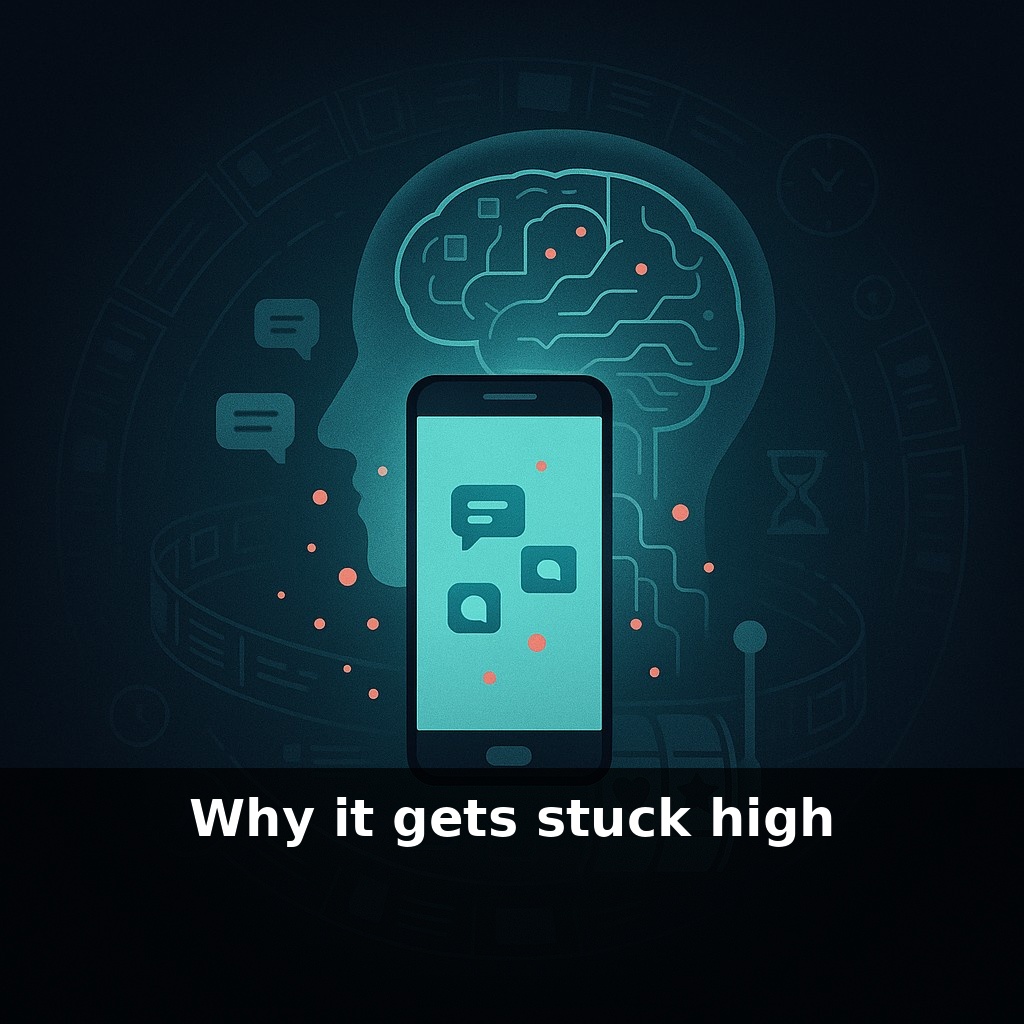
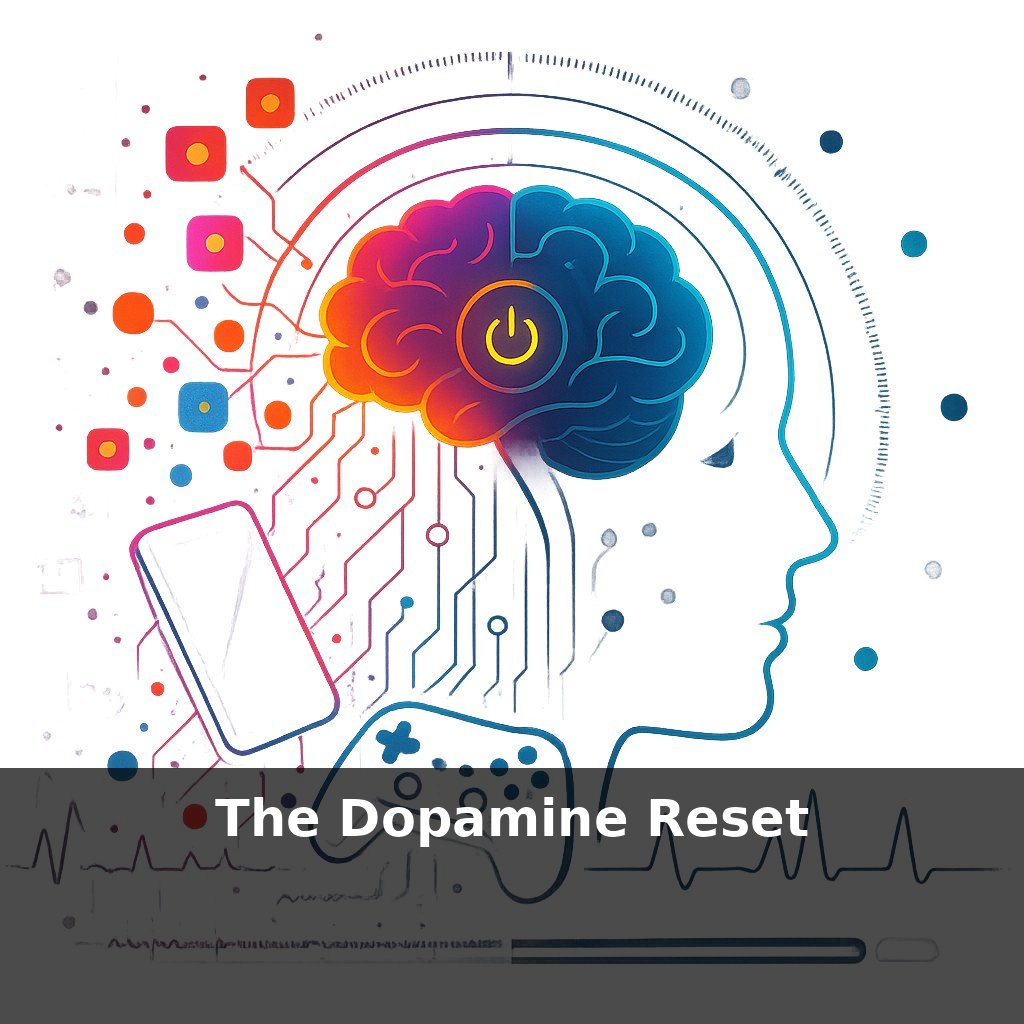
Your phone pings less than a doorbell, but it changes your brain more than most people realize. One moment you’re just “checking something,” and suddenly twenty minutes vanish. Here’s the strange part: the more “hits” you get, the less satisfied you feel—and the harder it is to stop.
It’s not just the pings themselves—it’s the way they’re spaced. Modern apps are tuned less like clocks and more like slot machines: you don’t know which scroll, tap, or refresh will bring the next “good” thing. Sometimes it’s dull, sometimes it’s mildly interesting, sometimes it’s unexpectedly rewarding. That uncertainty is the point. Your brain tags these unpredictable wins as especially important, nudging you to keep playing “just one more round.” Over time, the system learns your rhythms: when you pause, when you linger, what makes you hesitate. Then it adjusts, serving rewards at just the right moment to pull you back in. What feels like casual browsing is closer to a tightly scripted duet between your attention and an algorithm trained on millions of people exactly like you.
Over time, this constant “maybe something good is coming” stream shifts from being a feature to a background condition your brain expects. The reward system stops treating a like, a ping, or a new clip as special and starts treating them as normal air pressure. That’s when things get strange: silence can feel uncomfortable, even threatening, not because anything is wrong, but because your nervous system has been trained to anticipate the next micro-reward. You’re no longer chasing pleasure; you’re trying to avoid the uneasy dip that appears whenever the feed finally goes quiet.
Here’s where dopamine starts to misbehave.
When those little bursts arrive all day, your brain does something very logical: it turns the volume down. Neurons in the mesolimbic pathway respond to intense, frequent spikes by reducing how many receptors are available or how responsive they are. PET scans of heavy gamers, for example, show fewer D2 receptors in key reward areas than in non‑gamers. Same basic signal, less “grip.”
From the inside, that doesn’t feel like “my receptors changed.” It feels like this: the feed is busy, the lights are flashing, but everything lands a bit flat. You keep reaching for your phone anyway, because dopamine is more about wanting than liking. The system is still shouting, “Go get it,” even as each hit feels slightly more hollow.
This is one reason people can report classic addiction‑like patterns—cravings, loss of control, irritability when cut off—without any external drug. The compound isn’t in your bloodstream; the “drug” is the pattern: rapid, variable rewards that keep telling your brain, “Something important might be next.” The behaviour becomes self‑reinforcing. You act, you get a small win, your brain learns that this sequence is a reliable way to produce a micro‑surge, so it carves the path a little deeper.
Over weeks and months, baseline shifts. Calm no longer feels neutral; it can feel like a void. Silence between pings becomes something to fix. Long‑form tasks—reading a book, holding a conversation, doing deep work—start to compete with that background pull. It’s not that you “have no attention span,” it’s that your attention is being bid on, second by second, by systems designed to offer tiny, fast rewards.
The behavioural data lines up: variable‑ratio reward schedules reliably drive 2–3 times more responses than predictable ones. Apps, games, and platforms lean into that because it works. Turn off the cues—like disabling notifications—and people pick up their phones dramatically less. The external structure changes, and the internal loop finally has room to weaken.
One way to picture it is like medical tolerance to painkillers: if a strong dose is given every few hours, the same amount later does less, and stopping suddenly feels awful—not because your body “forgot” how to make endorphins, but because the whole system recalibrated around an artificial level of stimulation.
Think about how music streaming changed listening habits: you used to play an album start to finish; now it’s skip, skip, skip until a track “hits.” That constant searching isn’t random taste—it’s what a brain tuned to rapid, variable hits starts to look like in everyday choices. Long, slow builds in songs, films, or books can feel strangely “empty,” not because they’re worse, but because they don’t deliver that quick jolt your circuits have been trained to expect.
You can see the same pattern at work in how people treat email versus group chats at work. A quiet inbox used to mean “caught up.” Now, some people keep Slack or Teams open like an IV drip of micro‑urgencies, checking for the next ping rather than moving one important task forward. Meetings become harder to sit through without a furtive glance at a second screen, not out of rudeness but because stillness feels like a missing puzzle piece.
Travel is another casualty: instead of getting lost in a new city, many find themselves hunting for Wi‑Fi so they can document the trip in real time, chasing tiny surges of remote approval while the actual moment blurs.
Dopamine stuck high doesn’t just drain focus; it quietly rewrites what “normal” feels like. As feeds and games evolve, they’ll learn to anticipate micro‑boredom the way GPS predicts traffic, sliding in stimulation before you even notice an urge. That makes opting out feel less like a choice and more like swimming upstream. The paradox: tools built to save time can hollow out free time, leaving days packed yet strangely thin, like a playlist of only choruses with no songs in between.
When you start noticing this loop, it’s less about quitting tech and more about renegotiating with it. A small pause—letting a message sit, finishing a page before you check—gives your brain a chance to hear quieter signals again. Over time, those gaps can feel less like missing out and more like opening a window in a stuffy room.
Before next week, ask yourself: “When my blood sugar gets stuck high, what’s the *actual* pattern behind it—specific meals (like my usual breakfast), times of day, or situations (like late-night snacking or stress at work) where this happens over and over?” “In those moments when I notice it’s staying high, what do I *usually* do next—do I wait it out, rage-bolus, snack more, or ignore it—and how well has that worked for me?” “If I picked just one of those stuck-high patterns (for example, my afternoon spike after lunch) and experimented with a small, specific change—like adjusting timing of my bolus, adding a short walk, or tweaking carbs—what would I choose to try for the next three days, and how will I know if it’s helping?”