Right now, as you listen, your brain’s reward system is firing more from a stranger’s post online than from a walk in the sun with someone you love—and that’s backwards. So here’s the puzzle: why do the slow, quiet pleasures you crave most end up last on your to‑do list?
Here’s the twist: your brain isn’t biased toward junk rewards—it’s biased toward *easy* rewards. A viral clip is like a snack left on your desk; a deep talk with a friend is like a home‑cooked meal that takes planning, time, and dishes. So your brain keeps grabbing what’s closest, even when it knows it won’t feel good for long.
But there’s a catch most people miss: natural pleasures aren’t just “morally better” versions of the same hit. They actually change the *settings* of your reward system over days and weeks. That means each workout, each unhurried walk, each honest conversation isn’t just a momentary mood boost; it’s a tiny software update to how your brain handles craving, boredom, and stress. In this episode, we’ll look at how to stack those updates on purpose—so that what feels good and what’s good for you start to line up again.
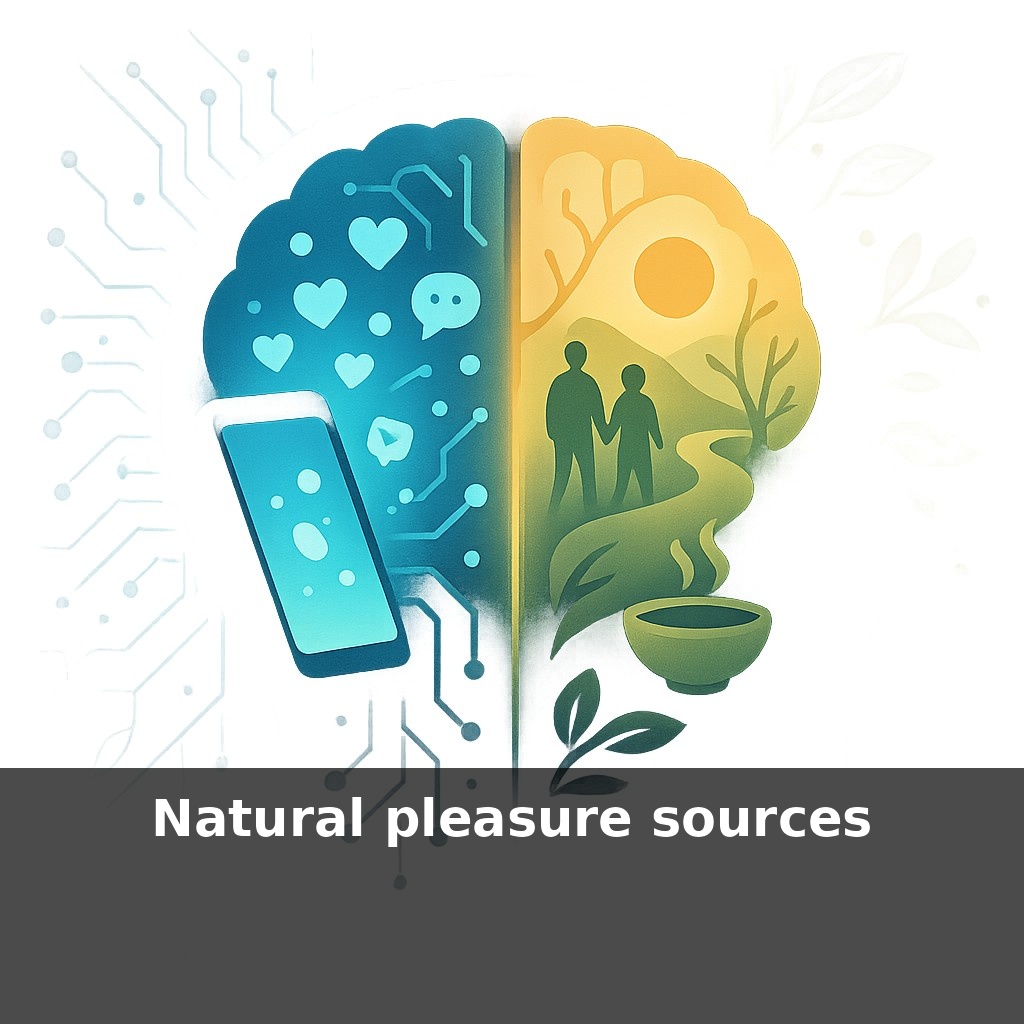
Here’s where it gets interesting: those “better” choices aren’t just willpower exercises; they’re specific inputs your brain has been wired for over millions of years. Movement, shared laughter, green spaces, making something with your hands—these are like the original tracks in your nervous system’s playlist, the ones your biology expects to hear regularly. When they go missing, the brain doesn’t stay neutral; it starts turning up the volume on artificial rewards to fill the gap. That’s why scrolling explodes when you’re lonely, tired, or stuck indoors: it’s a high‑volume substitute for a song that never actually plays.
Here’s the twist most people miss: your “natural” reward circuits aren’t fragile; they’re just out of practice. When movement, real conversation, and time outside shrink to rare events, your brain doesn’t forget them—it just reassigns priority to the stuff that shows up every hour. The good news is that this priority system is dynamic. It updates based on *frequency* and *context*, not on moral value.
What actually counts as a “natural pleasure source” here? Think concrete, repeatable inputs your nervous system can learn from: a 20‑minute run that leaves you pleasantly tired, a weekly game night where you laugh so hard you lose track of time, tending a plant on your windowsill, sketching for no audience. The common thread isn’t virtue; it’s that these activities demand a bit of effort and then reward you across minutes and hours—not milliseconds.
Physically, they work differently from digital bursts. A short video spikes attention, then drops you back where you started or lower. By contrast, 30 minutes of brisk movement raises dopamine more slowly and, crucially, recruits backup systems: endorphins to blunt stress, serotonin to stabilise mood, and endocannabinoids that create that subtle “everything feels a bit more okay” effect. Social contact layers oxytocin onto this mix, which tells your threat system, “Stand down, you’re not alone.”
This cocktail doesn’t just feel good in the moment; it reshapes the baseline. With repeated exposure, your brain increases receptor availability and sensitivity, so you need *less* stimulation to feel “engaged” and *more* intensity to tip into compulsion. It’s like tuning an instrument so it responds beautifully to light touch instead of needing to be hammered to make a sound.
Notice how this flips the script on “introvert vs extrovert.” You don’t need a party; you need *nutritious contact*: a walk with one friend, a shared project, even a kind chat with a barista. Study after study finds that these micro‑interactions nudge mood and stress levels in the right direction, even for people who *expected* them to be draining.
The practical implication: you’re not chasing one magical habit. You’re rebuilding a small ecosystem of natural rewards—movement, connection, nature, and creativity—so that no single digital hit has to carry the whole load.
Think of someone finishing a 20‑minute jog, then meeting a neighbour to water plants and chat. None of that feels dramatic in the moment, but together they quietly shift what “normal” feels like for that person by evening: their body is pleasantly tired instead of wired, their mind is occupied by a real conversation instead of a cliffhanger ending on a feed, and sleep comes faster without a fight. Repeat that a few times a week and the baseline they wake up to starts to tilt toward calm alertness rather than restless seeking.
Or picture a small “ritual stack” after work: you step off the bus one stop early, walk through the park, send a voice note to a friend while you stroll, then spend 10 minutes sketching before dinner. That’s not lifestyle overhaul; it’s four modest inputs that echo into how you handle an annoying email or a lonely Sunday. Over time, your brain learns: “Oh, *this* is how we reset,” and becomes a bit less insistent on the flashy shortcut.
Policy and tech will soon start steering us toward these “higher-quality” pleasures. Clinics are already testing exercise and social prescriptions the way they once tested new meds. Insurers may reward hours spent walking with friends the way they reward non‑smoking. Apps that currently compete for your attention could flip and compete on how quickly they help you *log off*. Your week might come with a “pleasure budget,” nudging you to invest in activities that leave you clearer, not foggier.
So instead of chasing fewer “bad” hits, you’re really curating a different mix: more walks, shared laughs, green spaces, and creative tinkering in the same way you’d rebalance a playlist that’s all hype tracks. Your challenge this week: swap just one digital burst a day for a physical, social, or outdoor micro‑moment and notice which swaps you’re actually drawn to repeat.