The Power of a Headline: Capturing Eyes and Minds
📝 Transcript
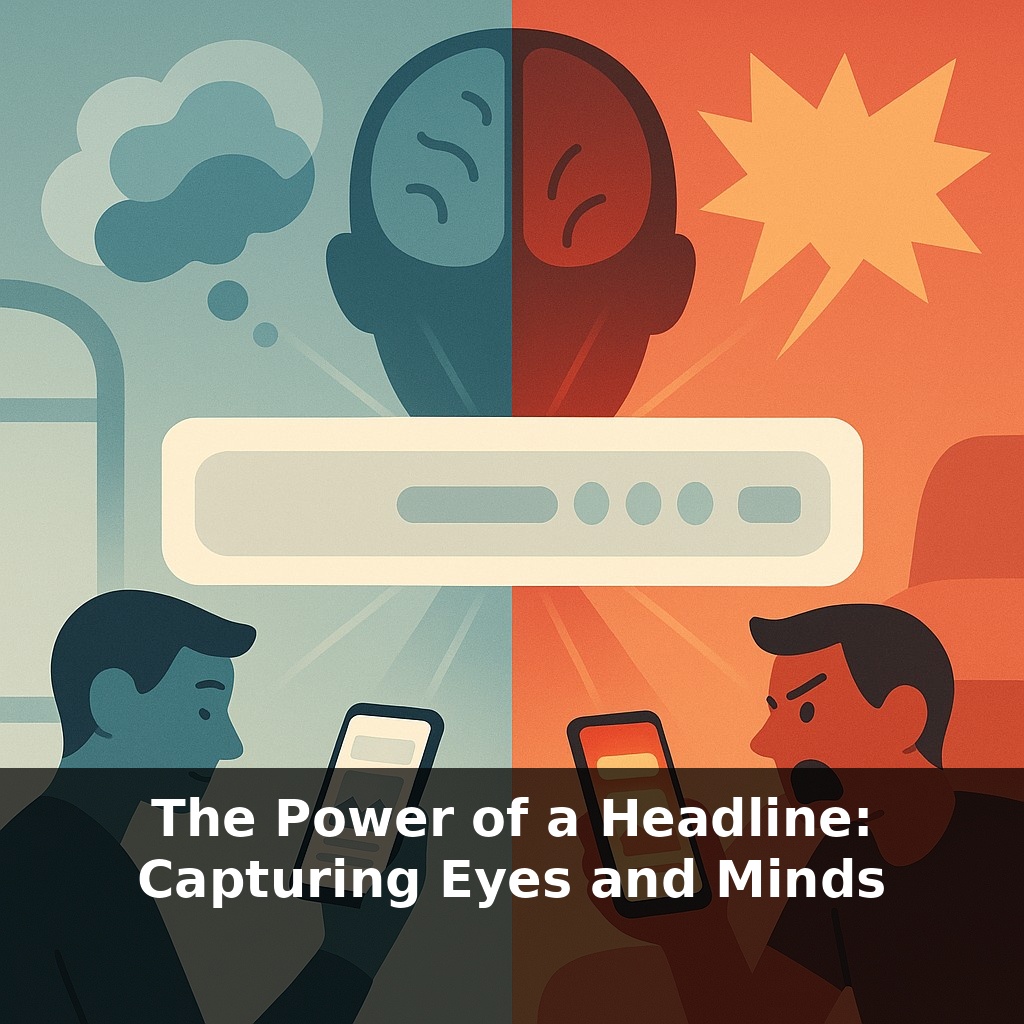
Eight out of ten people will hear a headline and stop there. Now, follow two friends: one skims a news app on the train, the other scrolls social media in bed. Same story, totally different headlines—and, by the end of the day, completely different beliefs.
Those two friends aren’t just “seeing different angles.” They’re being quietly steered by a tiny line of text that behaves less like a label and more like a remote control for attention. One version nudges outrage, another signals calm expertise, a third whispers urgency: “read this now or regret it later.” Behind the scenes, software is rapidly A/B testing word swaps—“shocking” vs. “surprising,” “secret” vs. “proven”—the way a chef tweaks seasoning, learning in real time which flavor keeps you hooked. And here’s the unnerving part: those microscopic tweaks don’t just change what gets clicked; they can tilt what feels normal, which stories seem urgent, and whose voices appear worth trusting. You think you’re browsing freely. In reality, your mind is walking through doors someone else chose and labeled for you.
Psychologists call headlines “cognitive gatekeepers” for a reason: once that first line sets a frame, your brain quietly rearranges everything else to fit. In one study, people read identical articles but with different titles; later, they remembered “facts” that matched the title more than what was actually written. Other research shows that when a headline stresses conflict, readers judge the same data as more polarizing; when it stresses solutions, they recall more progress. Add algorithmic promotion on top of this, and tiny wording shifts don’t just change clicks—they reshape what entire communities think the story was about.
A headline doesn’t just greet your brain; it races ahead of the story and lays down tracks your thoughts are likely to follow. That’s why two people can swear they “read the same thing” and yet walk away with clashing impressions—each of them actually read a slightly different mental story stitched around that first line.
Now layer in how we actually consume information. Most people meet headlines in fast, distracted bursts: glancing at lock screens, notification trays, trending lists, email subject lines. Each one is a tiny yes/no decision point: “worth my limited energy or not?” Under that pressure, our minds lean heavily on shortcuts. Emotional spikes—especially anger, fear, or moral disgust—get prioritized. So a calm, accurate summary sits beside a sharper, more charged version, and the sharper one keeps winning attention. Over time, platforms learn: “lean negative, lean conflict.”
Next comes the spillover effect. Even when you don’t click, the wording you skim becomes part of your internal “world summary.” Seeing ten headlines about “surges,” “crises,” and “breakdowns” in different arenas can make everything feel like it’s on fire, even if the underlying data are mixed or improving. The availability heuristic does the rest: whatever is easiest to recall—usually the most vivid phrasing—feels like the most common or important.
This is where algorithms quietly amplify the cycle. They’re not asking, “Is this fair?” They’re asking, “Who reacts to this, and how strongly?” If a particular style—questions, outrage, mystery—predictably drives sharing, the system serves more of it to similar people. Soon, one group lives in a feed of “shocking failures,” another in a feed of “historic wins,” both technically based on real stories, both emotionally distorted by the layer of language on top.
Think of it less as being lied to and more as having your informational “diet” seasoned to your past reactions. You’re not just choosing what to read; you’re training the machine on what to serve you next—and the machine is learning which headlines move you before you even know you’ve been moved.
Notice how the same story can wear different “outfits” depending on who’s supposed to see it. A health article might appear as “New Study on Sugar Intake Released” for a general audience, but quietly become “Hidden Sugar Habit Linked to Early Heart Damage” for people who’ve clicked on fitness content before. Same underlying report, different psychological levers: one speaks to curiosity, the other to fear and self-preservation.
You see this everywhere money is on the line. Retailers test “Sale Ends Soon” against “Only 3 Left in Stock” to see which drives more carts to checkout. Political campaigns pit “New Plan Announced” against “Your Rights Are Under Threat” to see which pulls in more email opens and donations. Streaming platforms explore “A Slow-Burn Mystery” versus “The Show Everyone Will Argue About” to identify who craves drama and who craves status.
Over time, these choices don’t just predict your behavior; they profile it—mapping which emotional buttons respond fastest, then quietly building a custom console just for you.
Regulators are starting to treat language itself as a kind of targeting data, asking: if you can’t legally sort people by race or health, should you be allowed to sort them by which fears or hopes they reliably click on? Future rules may require “nutrition labels” for headlines—showing when they were personalized, what signals shaped them, and how often they’ve been edited—so readers can see not just the story, but the invisible tug on their curiosity.
So the next time a title grabs you, treat it like a dish at a restaurant: ask who cooked it, who it’s meant to impress, and what “extra spice” was added to make it irresistible. Not to reject it on sight, but to taste it more deliberately—because once you notice how those first few words steer you, you can start steering back.
Start with this tiny habit: When you finish writing an email subject line, add one extra word that makes the benefit clearer (for example, change “Meeting Tomorrow” to “Quick Meeting Tomorrow to Fix Delays”). Don’t rewrite the whole thing—just tack on a single clarifying or curiosity word like “faster,” “easier,” or “without stress.” Do this for just one email a day so you start training your brain to think in mini-headline upgrades.
From this course
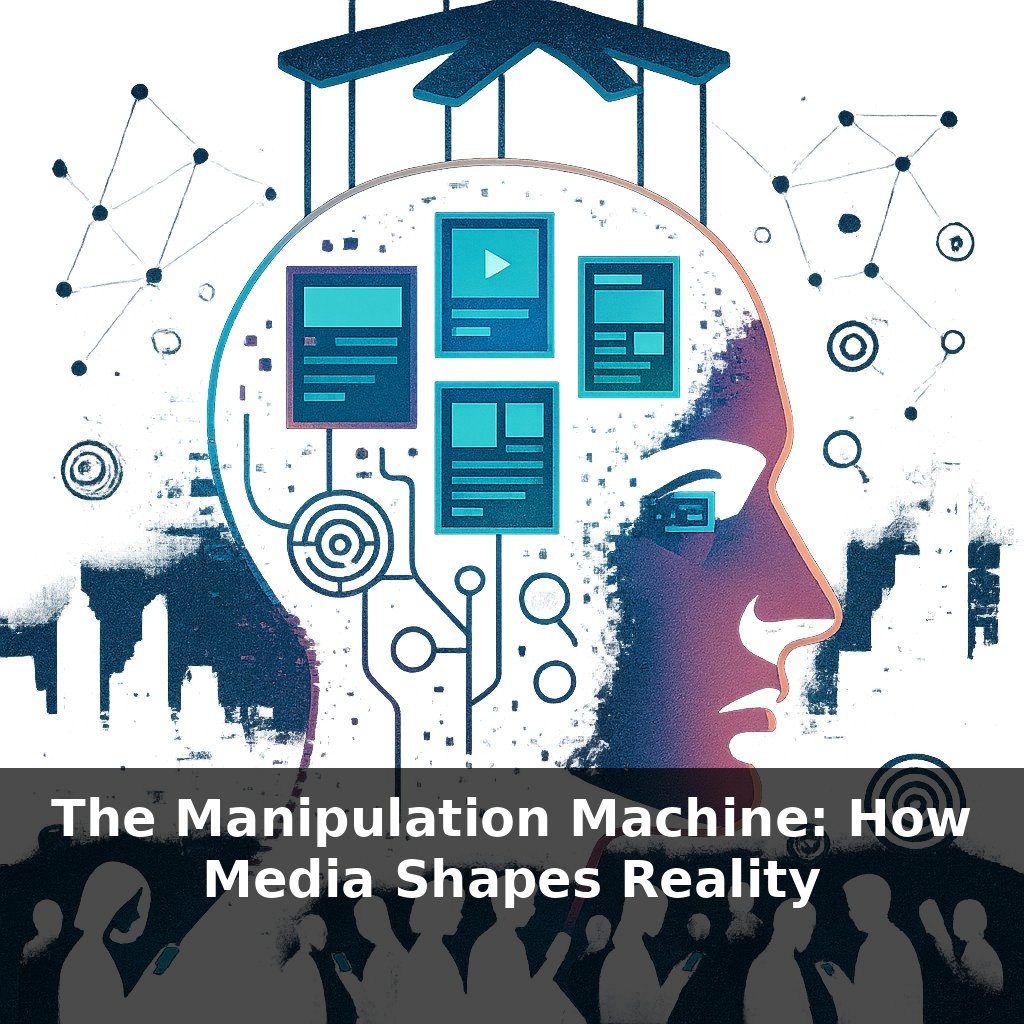
The Manipulation Machine: How Media Shapes Reality
6 episodesUnlock all episodes
Full access to 6 episodes and everything on OwlUp.
Subscribe — $1.99/monthLess than a coffee ☕ · Cancel anytime