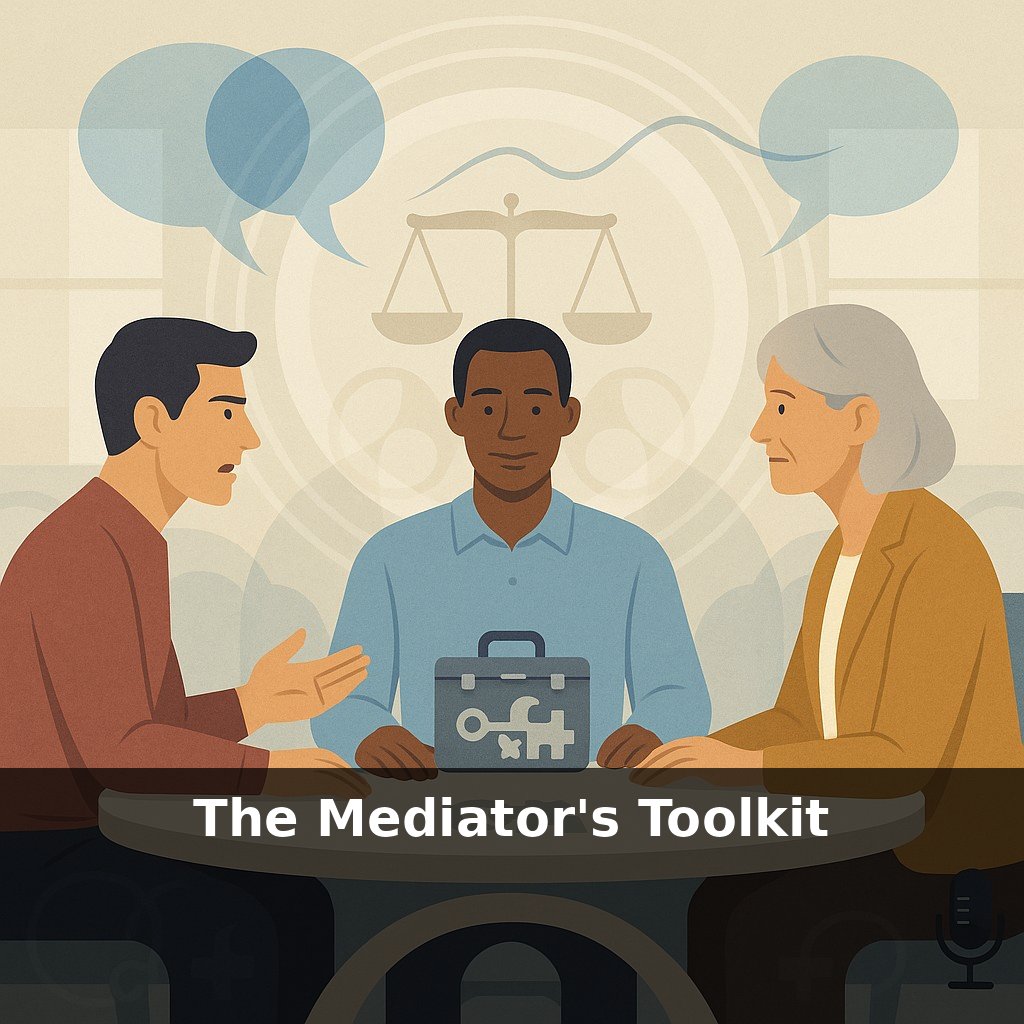
A single conversation can repair a relationship faster than months of silent tension—but only if it’s handled well. Two people, same conflict: in one room, they leave furious; next door, they leave hugging. The difference isn’t them. It’s how the communication between them is being guided.
Most of us think “good communication” means finding the perfect words or finally delivering the speech we’ve rehearsed in our heads. But in hard relationship moments, the real leverage is often in *how* the conversation is held, not *what* gets said first. That’s where facilitation comes in—not as something only professionals do, but as a set of skills any partner or friend can quietly bring into a tense exchange.
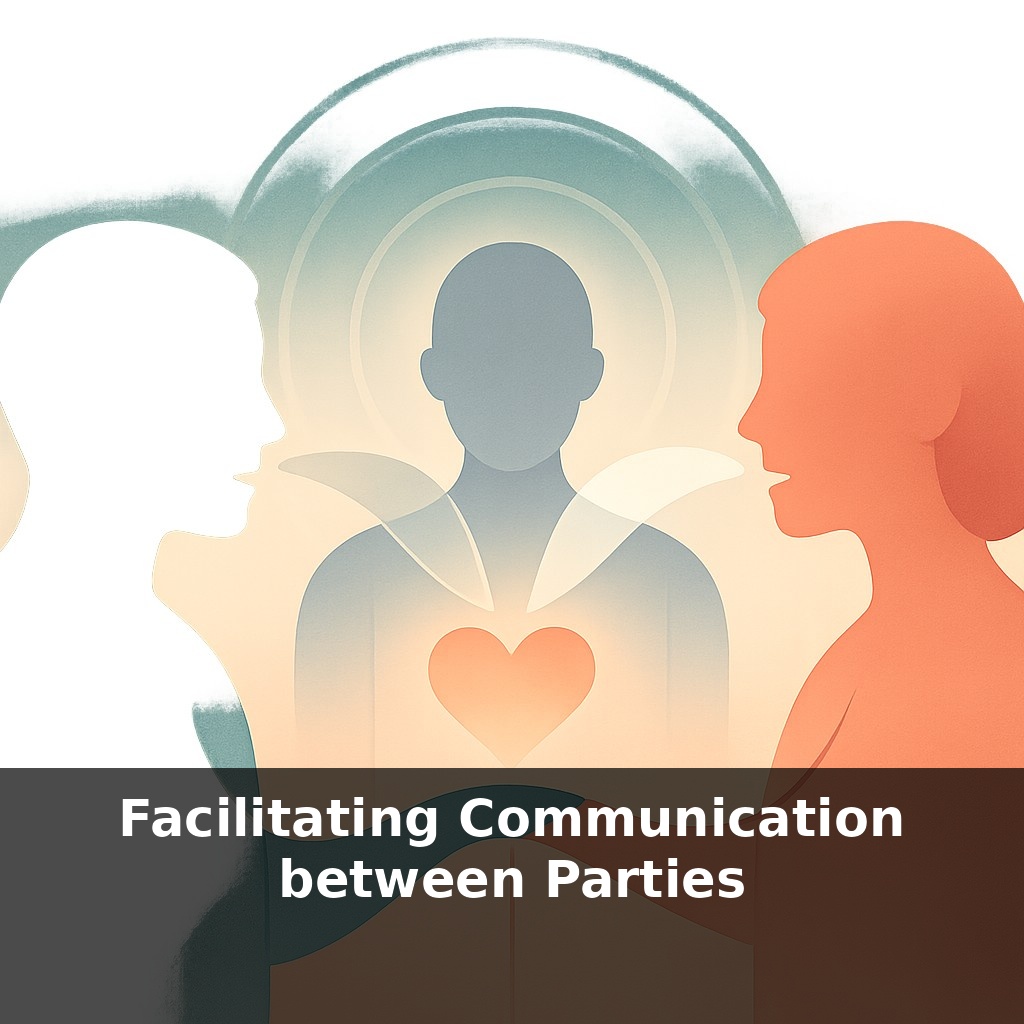
In this episode, we’ll look at how to become that kind of steadying presence: the person who can slow things down just enough so both sides actually hear each other. We’ll draw on what mediators, therapists, and even online dispute systems have learned about keeping dialogue safe, structured, and balanced—without turning real life into a therapy session. Think of it as learning to “hold the frame” of a tough talk so the relationship can do its own repair work inside it.
Mediators know that beneath most arguments, there’s a quieter layer: people trying (and failing) to feel understood, respected, and not steamrolled. Neuroscience backs this up—when someone feels accurately “mirrored,” their stress chemistry drops and the brain regions for perspective‑taking switch on. That’s why structured turn‑taking and active‑listening loops aren’t just communication “tips”; they’re tools for changing the emotional temperature in the room. In close relationships, you won’t be neutral, but you *can* borrow these moves to keep both voices in play, especially when one person usually dominates.
Here’s the quiet secret most mediators rely on: the conversation you *see* is rarely the one that decides the outcome. It’s the invisible structure underneath—who feels safe, who gets interrupted, who secretly believes “this is pointless”—that makes or breaks it.
Start with safety. Not “nobody ever gets upset,” but “it’s allowed to be honest without punishment.” In practice, that sounds like small, concrete agreements: “No name‑calling,” “We’ll talk for 20 minutes, then pause,” “We’re not deciding anything tonight, just trying to understand.” These micro‑rules matter because the brain relaxes when it knows the edges of the game. People take more risks with the truth when they’re not bracing for surprise attacks.
Next is how you shape the *flow* of talking and listening. Professional facilitators don’t just hope everyone will magically share; they design ways for it to happen. In relationships, that can be as simple as naming a sequence: “First you get five minutes to lay it out while I just take notes; then I’ll reflect what I heard. Then we switch.” Suddenly it’s less about who is louder and more about a clear rhythm you’ve both agreed to follow.
This is where many people get nervous: “If I’m guiding the process, am I being manipulative?” Notice the distinction mediators live by: you’re not steering what the other person *thinks*; you’re shaping the *conditions* so both sets of thoughts can appear. That’s especially vital when one person is quicker with words, more comfortable with conflict, or holds more real‑world power (money, status, social backup). Unchecked, that power leaks into every sentence.
Neutral process moves help: offering a break before someone shuts down, suggesting each of you write your main point before speaking, or pausing the joint conversation to check in privately when there’s a clear mismatch in intensity. None of that decides who’s “right.” It simply widens the space so quieter truths can surface alongside the louder ones. When that happens, the conversation stops being a contest and starts becoming data both of you can actually use.
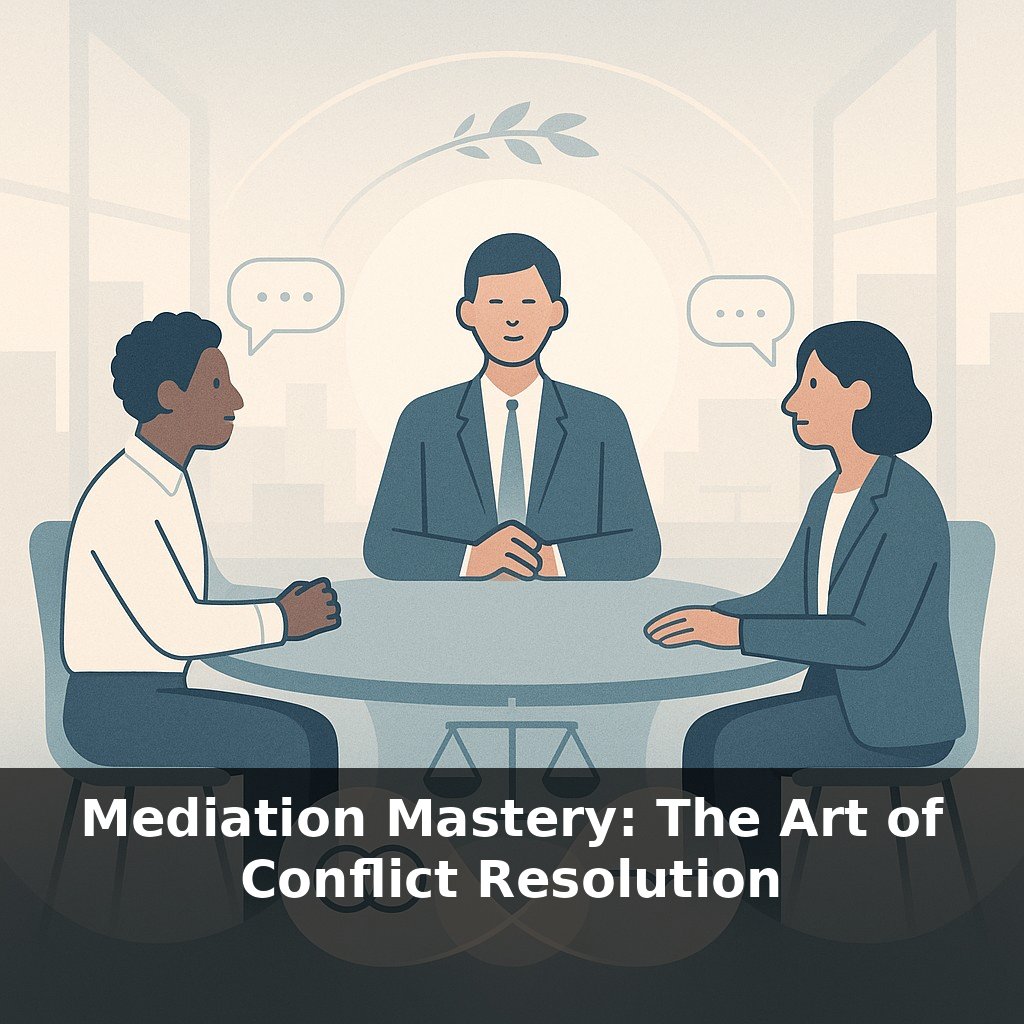
Mediators often test their structure *before* the real conversation. For example, two co‑founders keep derailing into old grievances during budget talks. A facilitator meets each of them separately first, asking, “If this next meeting went surprisingly well, what would be different by the end?” Those answers become the backbone of ground rules: one wants time‑limits on topics; the other wants a clear pause button when emotions spike. When they meet, the facilitator names these as shared experiments, not laws—easier to accept, easier to adjust.
In a couple setting, you might try a low‑stakes version. Say you and your partner always argue about weekends. Instead of diving into plans, you propose: “Tonight, let’s only map what *matters* about weekends to each of us. No solutions.” You set a timer, alternate who speaks first, and jot themes on a shared note in your phones. Later, when you move to decisions, that earlier map keeps you from treating every suggestion as all‑or‑nothing.
Over time, the same skills you use to steady hard talks can expand beyond one relationship. As group chats, family threads, and remote teams blur boundaries, someone who can name process and gently sWith this understanding of influence in group dynamics, let’s explore specific actions you can take to leverage these insights in everyday conversations. For instance, in one recurring group conversation... With practice, you’re less “fixing fights” and more curating spaces where better patterns can grow.
Your challenge this week: In one recurring group conversation (family text, group chat, team meeting), *only* adjust the structure, not the content. For example, suggest a “one message each before replies” round, or propose a 5‑minute “everyone says what they need from this convo” opening. Notice: Who speaks that usually doesn’t? What new info appears when the flow changes?
Over time, you may notice something subtle: the more you tend and adjust the way conversations unfold, the more people start bringing you their harder topics earlier—like choosing a well‑lit trail instead of a shortcut through the dark. You’re not removing every rock, just walking with a better lamp, so fewer things get twisted in the shadows.
Start with this tiny habit: When you notice a conversation starting to feel tense (even a little), silently repeat the other person’s last 3–5 words in your head before you respond. Then, say one short reflecting phrase out loud, like “So you’re really concerned about the timing,” and pause. If you’re on email instead, before you hit send, add exactly one clarifying question, like “When you say ‘ASAP,’ do you mean today or this week?” Do this just once per day in any tricky interaction and let it be enough.