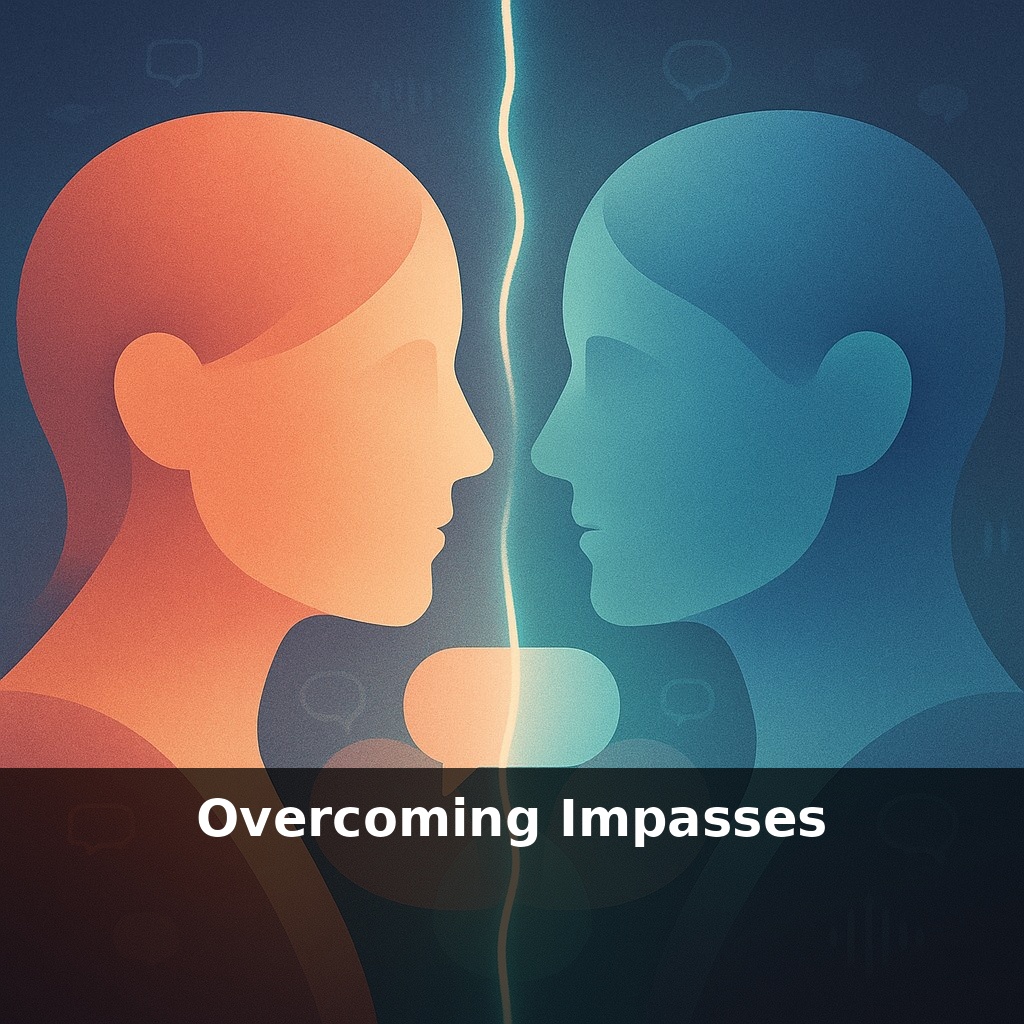
A quiet pause in a heated argument is rarely a sign of peace. More often, it’s the moment both sides feel stuck, certain they’re right, and afraid to budge. Yet here’s the twist: some of the toughest disputes settle *after* they seem completely impossible.
“Most impasses are not because there’s nothing left to say,” notes one mediator, “but because both sides are saying the same things louder.” In relationships, those stuck moments usually don’t arrive with dramatic ultimatums; they creep in through repeated conversations that end in the same exhausted silence. Underneath, three forces often drive the deadlock: rigid positions (“it has to be my way”), rising emotions that swamp listening, and missing pieces of information about what the other person truly needs or fears.
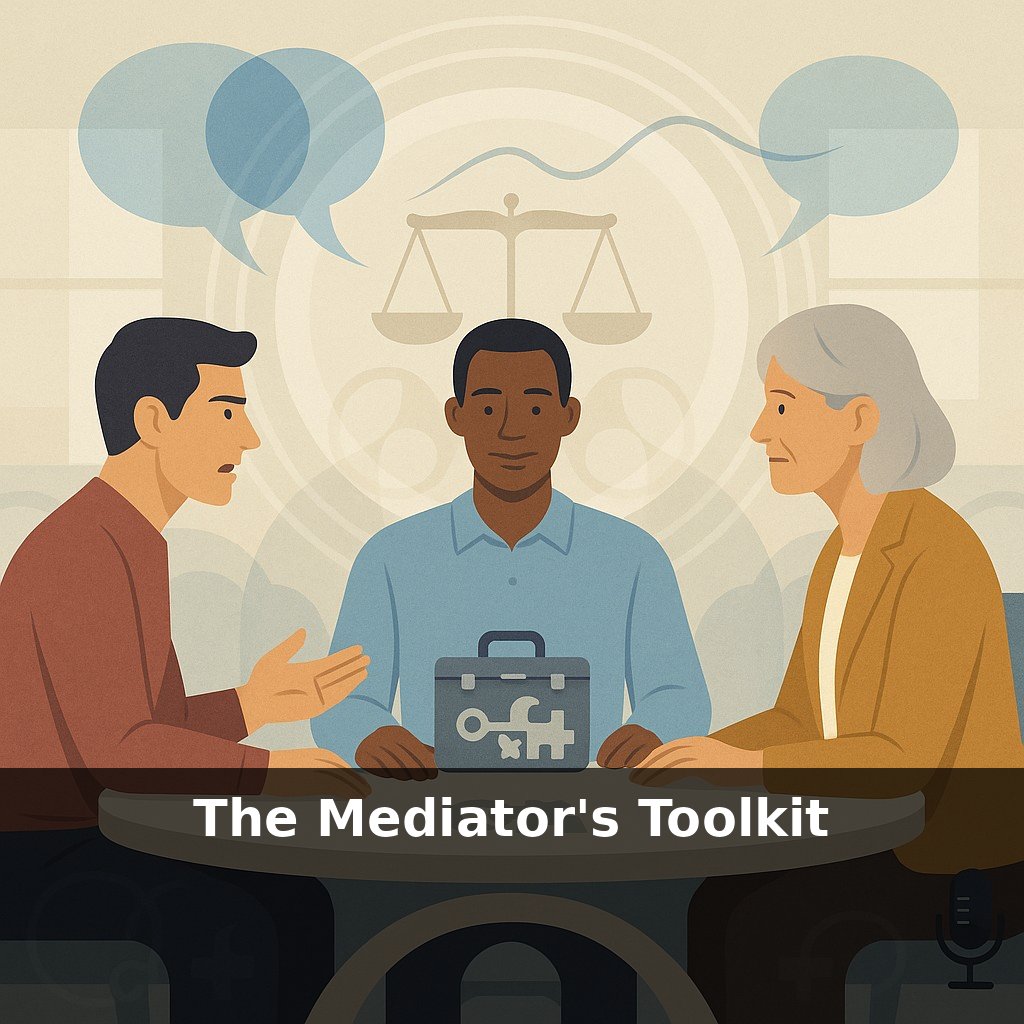
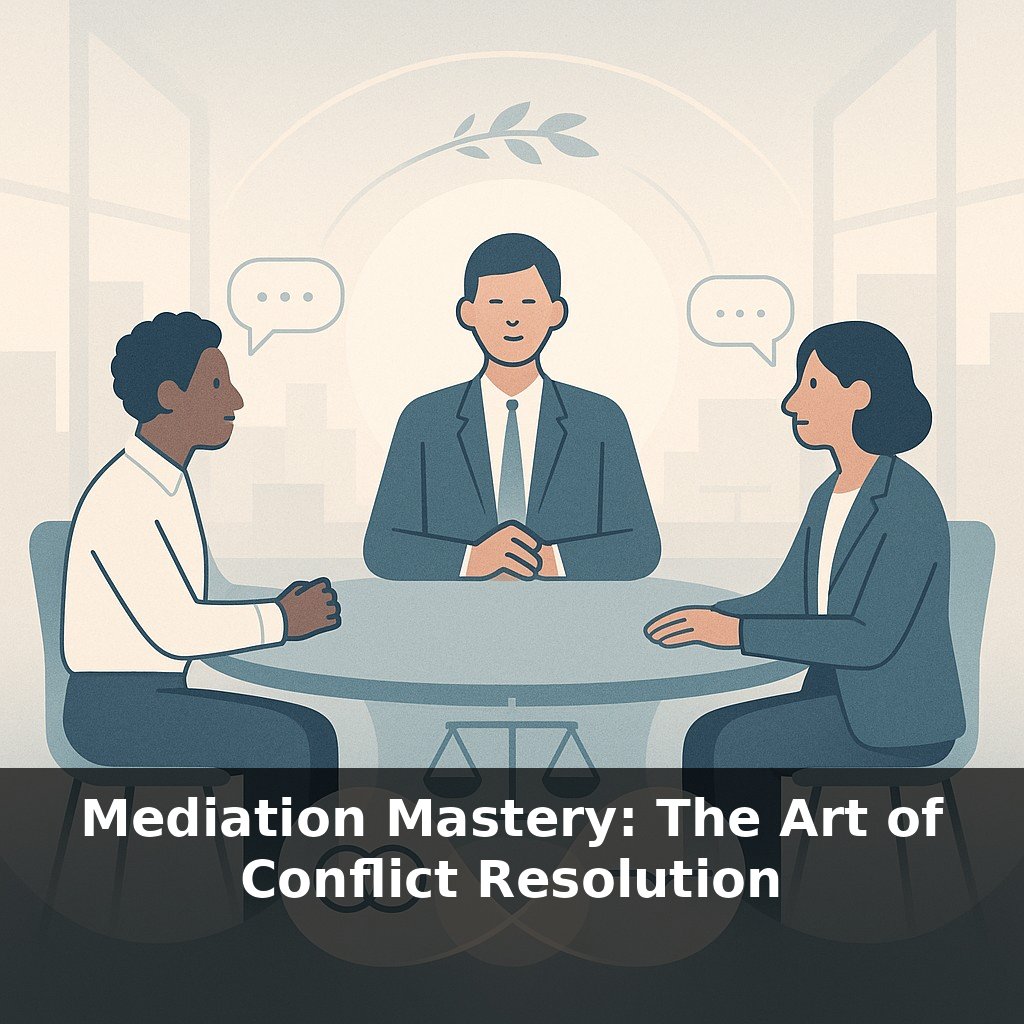
In this episode, we’ll explore how mediators quietly dismantle these roadblocks. Instead of pushing harder on the argument itself, they change the *space* around it: refocusing on interests, reframing what’s at stake, and opening room for solutions neither side had considered possible.
In close relationships, stalemates often wear ordinary clothes: the recurring fight about money, the chores that never feel evenly split, the intimacy conversation that ends in a familiar chill. What looks like “we just can’t agree” is usually a knot made of expectations, unspoken fears, and stories each person tells themselves about what the other’s behavior *means*. One partner reads “you’re late again” as “I don’t matter to you.” The other hears “you never help” as “you’ll never be good enough.” Before any shift can happen, those hidden layers need a light shone on them.
When professionals walk into a deadlocked room, they assume three things might be off: what people are *saying*, what they’re *feeling*, and what they’re *seeing* about the situation. Then they start adjusting, one dial at a time.
First is the “position” dial—those firm, bottom-line statements. In couples and families, these sound like: “We’re *not* moving,” “I’m *not* apologizing,” “We’re *not* spending that much.” Mediators don’t argue with the position; they get curious about the layer beneath it. Instead of “Why won’t you move?” they ask, “If this stayed exactly like it is for the next year, what worries you most?” Questions like that reveal what’s at stake: security, respect, freedom, belonging. Once those come into view, there’s more than one way to protect them.
Next is the emotional dial. When people feel cornered, loss-aversion kicks in: giving an inch feels twice as painful as gaining one. That’s why “compromise” often lands as “I’m losing more than you.” A mediator helps each side name what feels threatened—status, fairness, identity—so the nervous system can downshift from defending to problem-solving. They’ll often separate the “story” (“You clearly don’t care”) from the *impact* (“I felt dismissed when you walked away”). Story can be debated; impact is harder to deny.
Then there’s the information dial: who knows what, and who assumes what. In intimate conflicts, people rely on mind-reading and track records instead of fresh data. Mediators slow this down with very concrete questions: “On a scale from 1–10, how urgent is this for you in the next three months?” “What would be a ‘good enough’ outcome, not perfect, but livable?” Answers like these shrink the foggy space where misunderstandings grow.
Structured moves help too. Caucusing—briefly talking with each person separately—lets people admit fears or options they’d never say in front of the other. Reality-testing (“If nothing changed for six months, what would that cost you?”) gently surfaces each person’s BATNA: what “doing nothing” really means. Brainstorming invites both sides to generate options *without* committing yet, so the conversation shifts from “yes/no” to “what else?”
Over time, this trio—curious questions, emotional naming, and clearer information—turns a standstill from a verdict into a working draft.
In one couple’s standstill over weekends, both kept repeating, “You’re never home” vs. “You’re always on my case.” A mediator asked each privately to list three *non‑negotiables* for feeling okay about weekends, and three *flexibles*. It turned out she needed one predictable evening together and help with Sunday prep; he needed one guilt‑free solo block and clarity about plans by Thursday. Once those lists were visible, the argument stopped looping and turned into scheduling.
Another pair hit the same wall every month around spending. Instead of debating purchases, they were each asked to write a short “job description” for money in their life: protector, ticket to freedom, proof of competence, or something else. Reading these aloud shifted the tone; one partner heard that “cutting back” felt like losing safety, while the other saw that “spending” signaled autonomy. From there, they built two small experiments: a shared “security” account and a no‑questions‑asked “freedom” fund, then agreed to revisit outcomes after 60 days.
Some researchers expect “early‑warning dashboards” for conflict: tools that flag when repeated phrases, sharper tones, or shrinking proposal ranges suggest talks are sliding toward gridlock. In long‑distance relationships and global teams, such tools might act like a language‑sensitive compass, pointing out where meanings quietly diverge. As climate, economic, and identity tensions overlap, the skill of unfreezing stuck conversations could shape which communities adapt—and which fracture.
When your own conflicts feel frozen, treat them as drafts, not verdicts. Before assuming “we’re stuck,” ask what future each of you is quietly trying to protect. Your challenge this week: when a discussion stalls, pause and ask, “What future are you afraid of—and what future are you hoping for?” Often, that simple shift uncovers the next small, workable step.