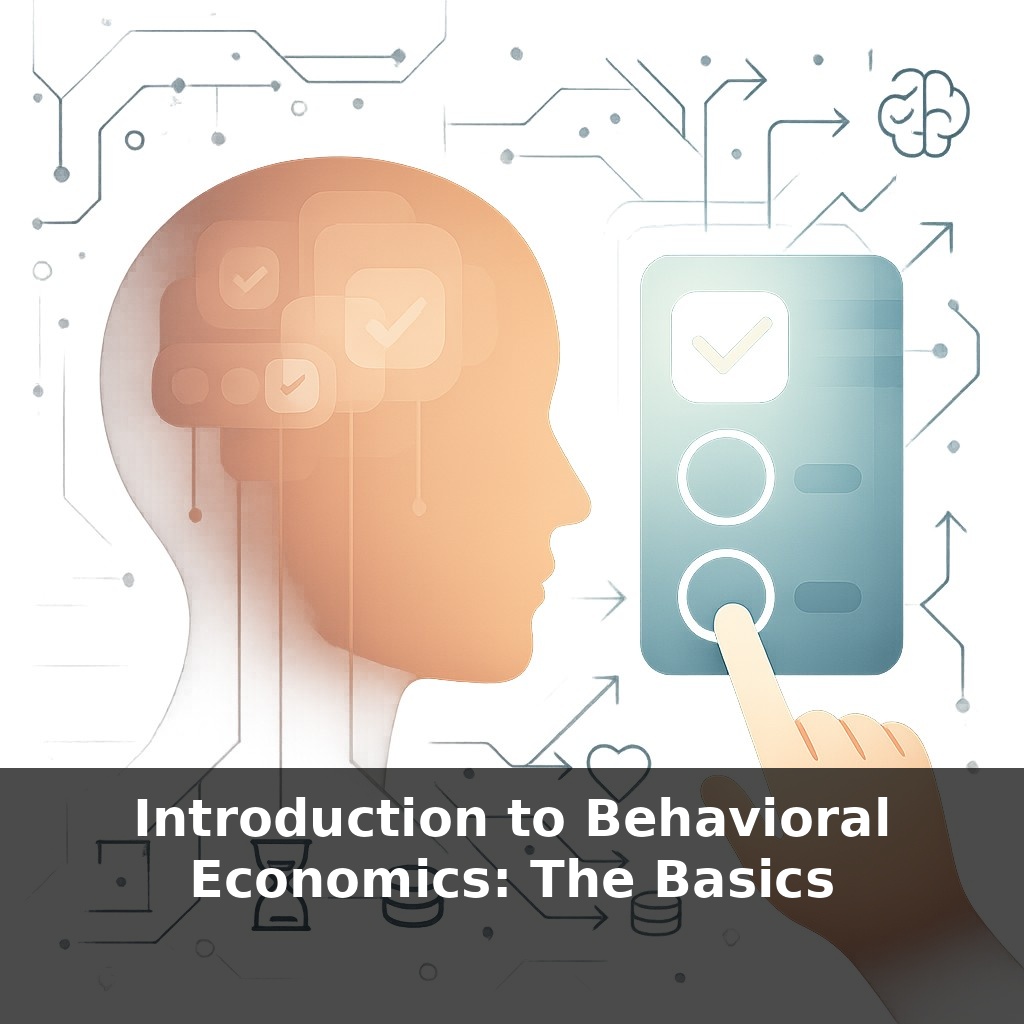
Most of your money decisions are made before you even notice you’re deciding. A single checkbox on a form can double how many people save for retirement. Today, we’re stepping inside that invisible moment, to see who’s really steering when you tap “yes,” “no,” or “later.”
Behavioral economics starts with a simple, uncomfortable claim: your “reasons” often show up *after* your choices, not before them. We like to think we buy, save, or click based on careful weighing of pros and cons, but research keeps finding patterns that logic alone can’t explain. Why do people refuse a fair bet that could make them money, yet happily overpay for lottery tickets? Why will the same person donate generously one day and ignore the same cause the next, just because of how the request is framed?
Instead of assuming perfect rationality, behavioral economics tracks the consistent ways people tilt off-course—toward safety when losses loom, toward inertia when forms get confusing, toward whatever option feels easiest right now. It’s less about judging these quirks, more about mapping them, so we can redesign systems that quietly work with our minds instead of against them.
Behavioral economics zooms in on *where* and *how* those tilts happen. Three patterns keep showing up. First, we hate losing so much that a $100 loss stings far more than a $100 gain delights, which helps explain why we cling to bad investments or overpriced belongings. Second, we’re highly sensitive to starting points: whether a box is pre‑ticked for “yes” or “no” can quietly steer huge life outcomes, from pensions to organ donation. Third, our “later” self keeps getting overruled by our “right now” self, especially when temptation is just a tap away.
If traditional models treat people like flawless calculators, behavioral research treats them more like busy humans juggling limited attention, memory, and willpower. A big part of the story is *how* we think, not just *what* we prefer. Psychologists talk about two broad styles of thinking: one that’s fast, automatic, and intuitive; another that’s slower, effortful, and reflective. Most of the time the fast mode runs the show, and the slower mode only checks in when something feels off or costly.
This fast mode leans heavily on heuristics—mental shortcuts that are usually helpful but sometimes misfire. See a stock that’s been in the news all week? It feels more “important” or promising, because vivid, recent information is easier to recall. That’s the availability heuristic. Hear that a friend “doubled their money” on crypto? Your mind anchors to that story and may judge all similar bets as better than they really are. Prices, past highs, or even a random number on a screen can quietly anchor your sense of what’s “reasonable.”
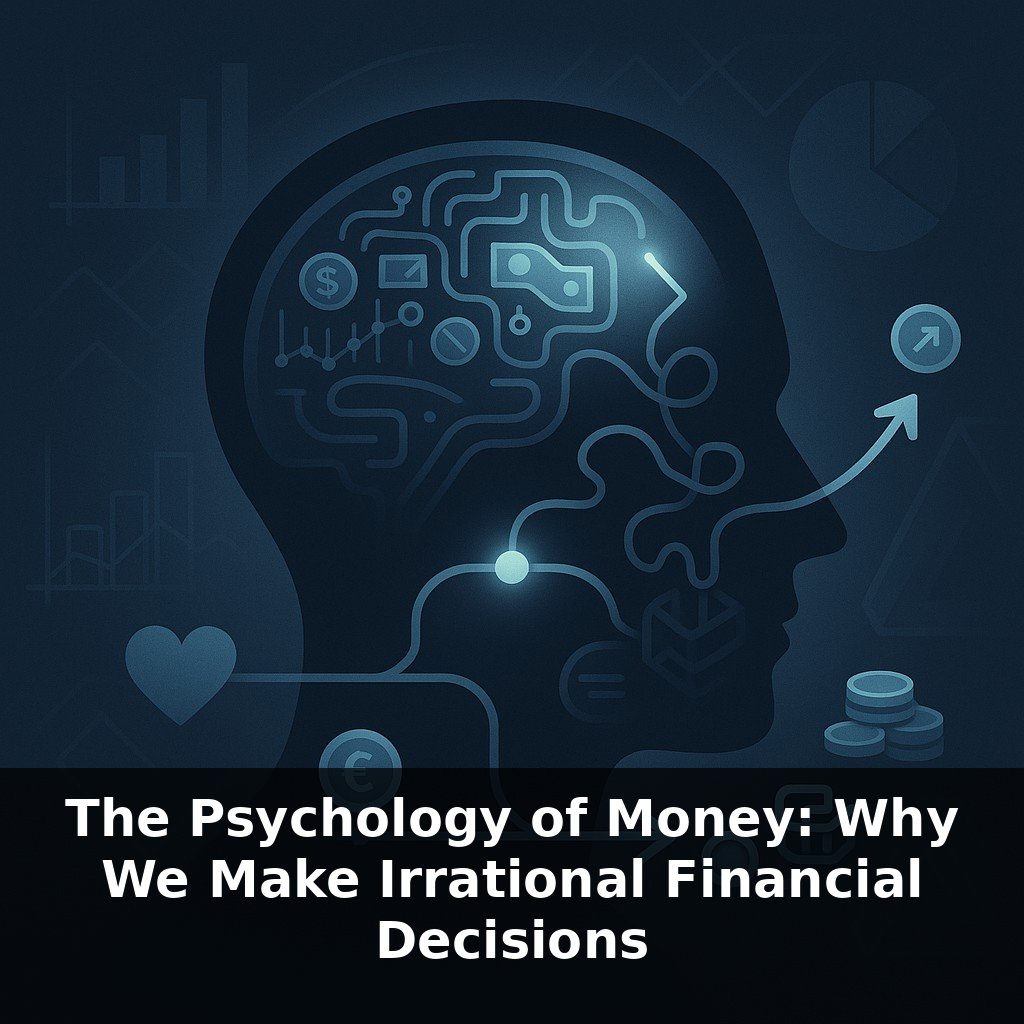
Emotions sit right alongside these shortcuts. The data on loss sensitivity shows how strongly feelings shape choices, but it isn’t just fear. Excitement, pride, guilt, and envy all push our financial behavior. Flashy apps lean into this, turning trades into bursts of color and confetti. Charities test wording and images to evoke empathy or urgency. None of this forces you to act, but it tilts the mental playing field before you “decide.”
Social context does similar work. We’re wired to notice what others do and use it as a guide—especially under uncertainty. That’s why messages like “9 out of 10 people in your area pay on time” boost compliance, or why showing employees how their savings rate compares with peers can nudge them upward. Norms, reputations, and identities (“I’m the kind of person who…”) become levers.
Nudges take these ingredients—attention, emotion, shortcuts, social cues—and rearrange the environment. Changing default options, timing prompts to moments of high focus, simplifying choices, or highlighting specific comparisons can all shift behavior without adding bans or bribes. The key is that small tweaks in presentation can move real-world numbers by double digits, from pension uptake to organ donation, precisely because they line up with how minds actually work.
A few concrete cases show how these patterns surface in daily life. Supermarkets place pricier items at eye level and “limit 5 per customer” on sale tags; both cues quietly steer more units into baskets without changing what’s on offer. Streaming platforms auto‑play the next episode, so doing nothing becomes choosing “keep watching.” Many people report watching more than they meant to, yet rarely changed the setting.
Hospitals have cut prescription errors simply by redesigning forms so the safest dosage appears as the default option in drop‑down menus. The medicine is the same; the layout changes outcomes.
Artists experience a similar pull when they start a canvas with a bold color: that first splash tends to anchor every later choice, even if it wasn’t carefully planned. Likewise, your first credit‑card limit, first salary, or first crypto win can quietly become reference points that shape what feels “normal” or “acceptable” long after the original moment has passed.
Behavioral insights won’t stay in textbooks. As systems get smarter, they’ll quietly learn your patterns the way a good coach studies game tape—spotting when you’re tired, rushed, or overconfident, then reshaping choices in real time. That could mean apps that auto‑slow you down before big risks, or public tools that reframe climate or health trade‑offs. The open question: who trains these “coaches,” and whose goals are they really optimizing?
So the next step isn’t to chase some flawless “rational self,” but to notice how small tweaks around you quietly steer the plot. Like a stage crew dimming one light and brightening another, design choices in apps, forms, even street signs script parts of your financial story. The open experiment is seeing where you want to rewrite that script—and how gently you can do it.
Start with this tiny habit: When you open your phone to buy something (like checking Amazon or a shopping app), pause and whisper to yourself, “Future me has to deal with this,” before you tap anything. Then, change just one thing in the cart: either reduce the quantity to 1 or move one item to “Save for later.” This tiny pause and tweak uses loss aversion and present bias in your favor, nudging you to protect your future self instead of impulse-buying.