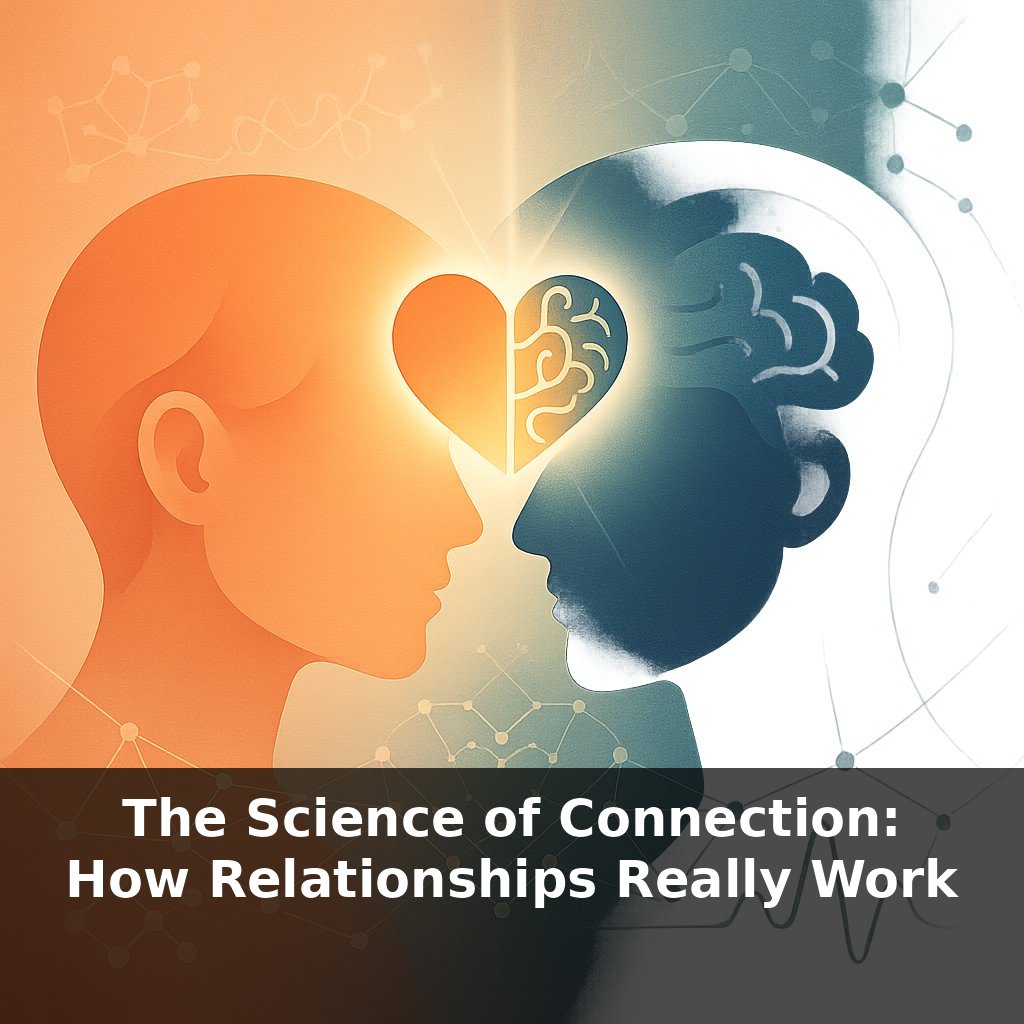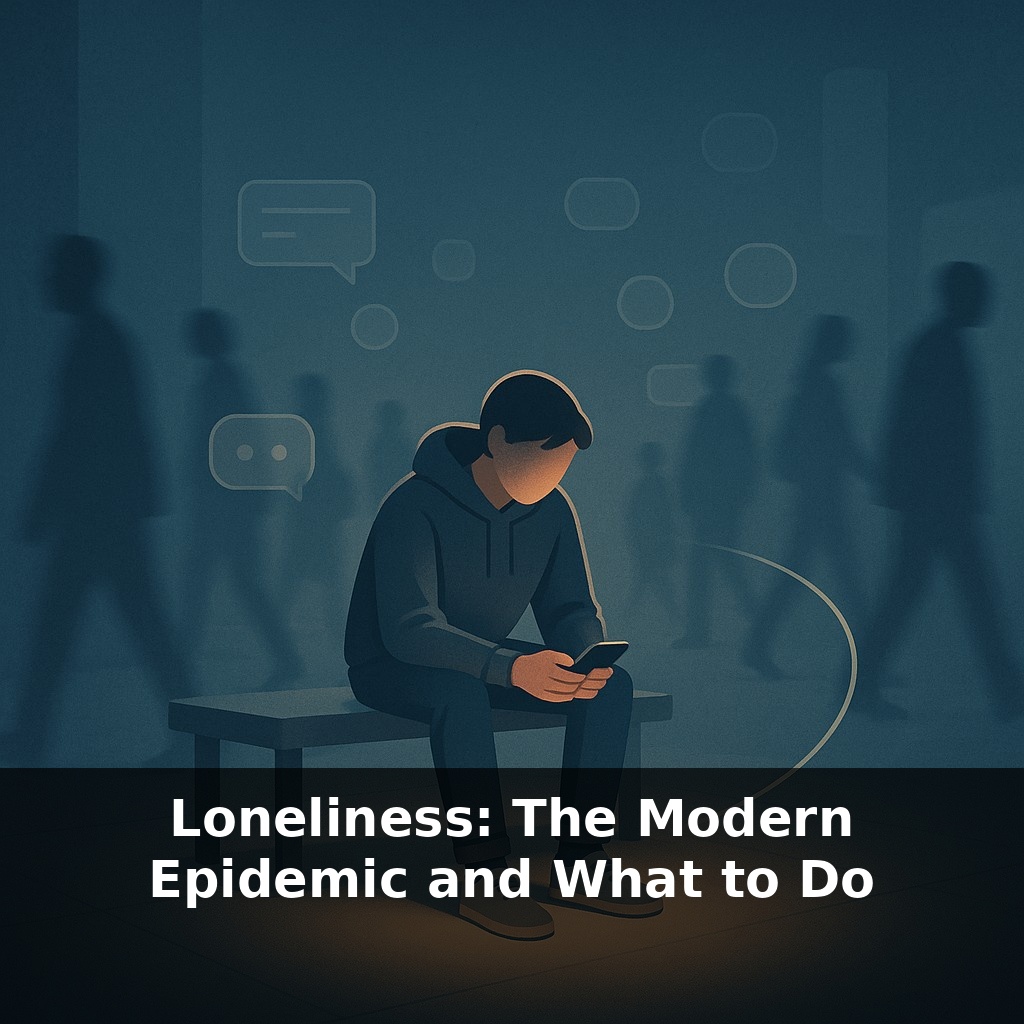
Right now, feeling lonely increases your risk of dying early about as much as smoking several cigarettes a day. You can be surrounded by coworkers, pinged by group chats, and still feel like no one really sees you. So why is modern life so crowded—and yet so empty?
We’ve quietly redesigned daily life in ways that make real connection optional: groceries delivered, meetings on mute, friendships maintained with a tap. On paper, we’ve never been more “reachable”—yet more people report having no one they could call in a crisis. That gap between constant contact and actual closeness isn’t just uncomfortable; it’s reshaping our brains and bodies. Loneliness activates the same threat systems meant for predators and disasters, so your nervous system starts treating ordinary days like an emergency drill. Over time, that chronic “social alarm” can wear down immunity, sleep, and concentration. But this isn’t just a personal failing or a matter of “being more social.” It’s partly an environment problem. Change the architecture of our days and cities—even slightly—and connection stops being another task and becomes the default again.
We also underestimate how sneaky this problem is. Loneliness doesn’t always look like the quiet person in the corner; it often hides inside busy calendars, relationships on autopilot, or group chats that never go deeper than memes. You can “know” hundreds of people and still feel unknown. Part of the issue is quality and continuity: our brains seem to crave ongoing, low‑pressure contact the way plants need steady light, not rare spotlight moments. Another part is identity. When work, family, or neighborhood ties get fragmented, it’s harder to answer, “Where do I really belong—and who would notice if I disappeared?”
Here’s where the science gets uncomfortably specific. When researchers track people over years, they don’t just ask, “Are you lonely?” They also take blood, scan brains, and follow medical records. A consistent pattern appears: people who *feel* chronically disconnected show higher inflammation markers, altered immune responses, and changes in brain regions tied to threat detection and reward. It’s not that lonely people are “weaker”; their bodies are adapting to a world that seems unsafe and unreliable.
One striking finding: loneliness doesn’t just predict depression—it can precede it. In longitudinal studies, people who report high loneliness are more likely to develop mood problems later, even after accounting for income, personality, or existing health issues. Something about being cut off from regular, supportive contact seems to make it harder to regulate emotions and bounce back from stress. Sleep gets lighter, more fragmented. Negative interactions loom larger than positive ones. Over time, that bias can turn into a self‑reinforcing loop: you expect rejection, so you withdraw or act guarded, which makes closeness less likely.
Age doesn’t protect you. In many surveys, the peak of reported loneliness now sits in the late teens and twenties—a time filled with other people, but also intense comparison, transition, and instability. Meanwhile, midlife adults may be surrounded by family and colleagues yet feel emotionally exhausted, with no space for honest conversations. Older adults often face shrinking networks due to health, bereavement, or retirement. The contexts differ, but the nervous system story is similar: not enough trustworthy, mutual, low‑stakes contact.
Digital tools complicate this picture. Studies suggest that *how* we use them matters more than *whether* we use them. Passive scrolling and collecting followers tend to correlate with more loneliness; using technology to coordinate real‑world meetups, maintain a few close bonds, or share vulnerably tends to correlate with less. It’s the difference between watching other people at a party through a window and knocking on a neighbor’s door to actually go inside.
Think of your social world less like a big performance and more like a set of “micro‑channels” you can tune. One channel is depth: the handful of people you can be unpolished with. Another is rhythm: the small, repeated contacts—a neighbor you nod to on walks, the barista who knows your order. A third is contribution: the roles where someone would actually miss you if you stopped showing up.
Research on “weak ties” suggests that casual check‑ins with acquaintances can boost mood and belonging more than we expect. Sending a quick voice note, replying thoughtfully to one person’s post instead of scrolling, or joining a recurring class can all nudge those weak ties into a loose safety net.
Loneliness is like a budgeting app that keeps flagging a deficit: not to shame you, but to push you to reallocate. Instead of chasing one perfect relationship to fix everything, it’s often more effective to diversify—strengthen one deep bond, revive one lapsed friendship, and add one predictable group or place where your presence matters.
If loneliness continues to spread, we may see “social health” treated like credit: scored, tracked, even insured. Schools could log not just grades but friendship networks, flagging kids at risk like banks flag fraud. Cities might subsidize clubs the way they do transit, arguing that every potluck saves future hospital costs. At the same time, we’ll wrestle with privacy: who owns your social data, and what happens if opting out of constant connection becomes a quiet act of rebellion?
So maybe the frontier of “social health” isn’t more contacts, but clearer signals: neighbors who borrow sugar, clubs that keep a spare chair, group chats that lead to real tables. Culture shifts when these tiny defaults stack—like interest on a savings account—until showing up for one another feels less like a fix and more like how a normal day begins.
Here’s your challenge this week: Invite **one person you already know** (a coworker, neighbor, or acquaintance you see often) to a **specific shared activity**—like a 20‑minute walk, a coffee, or cooking a simple meal together—within the next 48 hours, and put a time and place on the calendar. During that time, put your phone on **do not disturb** and ask them **three genuinely curious questions** about their life right now (not about work or logistics). Before you go to bed that day, send them **one short follow-up message** referencing something they shared, to reinforce the connection.