Right now, your morning coffee, your commute, and your news feed are quietly changing the chemistry of your brain. Not just your mood—the actual wear and tear on your nerve cells. Here’s the twist: the same molecules that slow wrinkles may be shaping how stressed you feel.
The plot twist is that stress chemistry doesn’t start in your head; it starts in tiny clashes of molecules happening all over your body. Your brain is especially exposed: it burns through about a fifth of your oxygen budget, yet keeps relatively modest antioxidant reserves on hand. That mismatch means when life ramps up the pressure—deadline, argument, doomscrolling—the brain is like a busy open-plan office with almost no janitorial staff. And those messes don’t stay local. Oxidative stress can ripple into cortisol rhythms, sleep quality, even how quickly your heart rate settles after a shock. Researchers are now tracking something unexpected: people with higher antioxidant status often report lower perceived stress, and they physiologically “come down” from acute stress faster. This shifts antioxidants from cosmetic extras to quiet players in mental resilience—and that’s where we’re heading next.
Here’s where it gets stranger: the “stress story” in your body doesn’t just run top‑down from brain to glands to organs. Signals also fire upward and sideways. When your liver is busy clearing pollutants or your immune system is fighting a low‑grade infection, they kick out more reactive by‑products, nudging your brain toward feeling wired, flat, or on edge. Antioxidants sit in the middle of this traffic, influencing how intense those messages become. This helps explain why two people in the same situation can feel stress so differently—and why diet can quietly tilt the odds.
Here’s where antioxidants stop being a wellness buzzword and start looking more like stress‑management infrastructure.
When researchers zoom in on people under pressure—caregivers, shift workers, students in exam season—they keep spotting the same pattern: the higher their antioxidant capacity, the less “frayed” their stress systems look. Not just on questionnaires, but in lab markers and how quickly their bodies stand down after a challenge.
Some of the most intriguing data comes from specific players. N‑acetylcysteine (NAC), for instance, is basically raw material for making glutathione, one of the body’s key detox enzymes. In that 2021 review of clinical trials, people taking NAC nudged anxiety scores down compared with placebo. The effects weren’t dramatic and they’re not a cure, but they were consistent enough to suggest that feeding your antioxidant networks can gently change how threat signals are processed.
Vitamin C tells a similar story from another angle. Below a certain blood level, people in population studies report feeling more pressured and overwhelmed, even when their life situations look similar on paper. When those low levels are corrected—sometimes with nothing more exotic than a few kiwis or a high‑C veggie intake—some trials show modest drops in perceived stress within weeks.
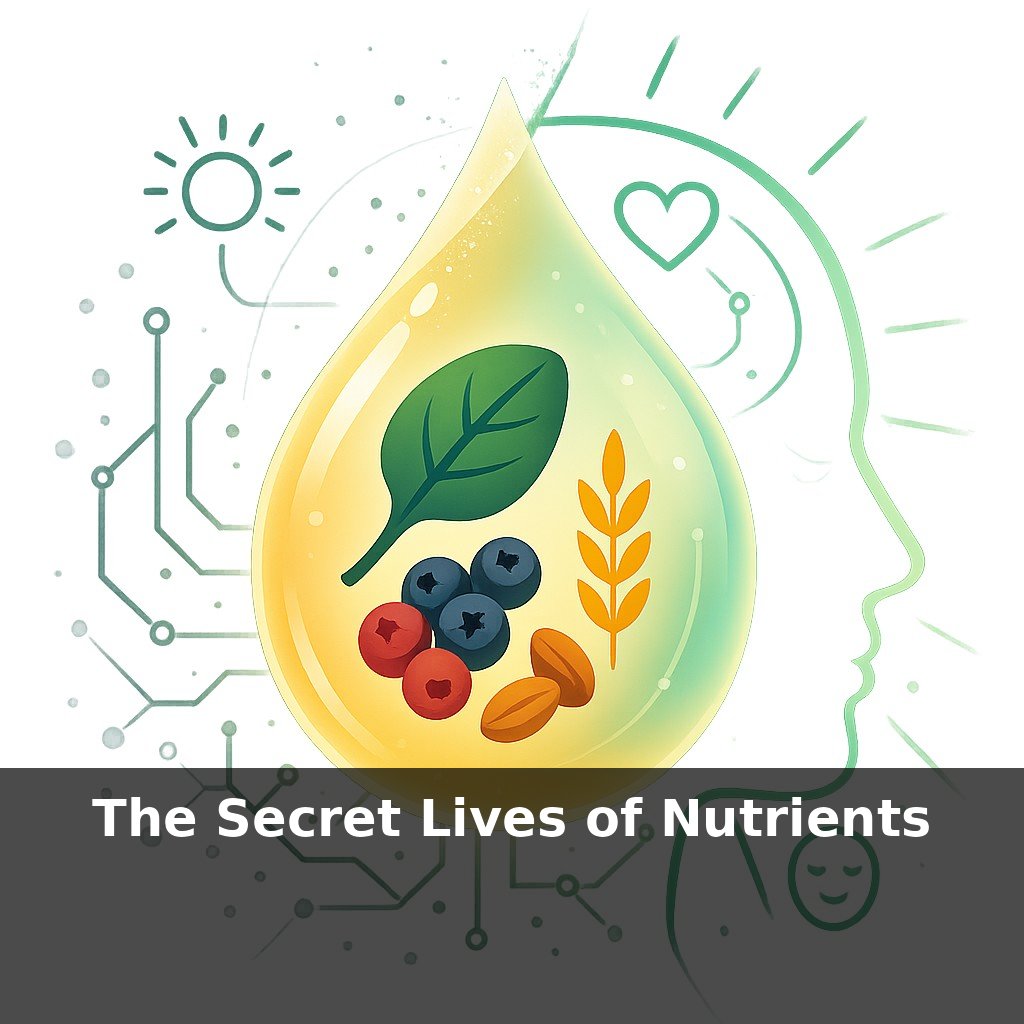
Polyphenols in foods like berries, cocoa, and green tea seem to work more like system updates than single‑purpose fixes. In brain imaging studies, higher polyphenol intake has been linked with better communication between regions involved in attention and emotional regulation. That matters because a brain that can flexibly shift focus and re‑appraise a situation is less likely to get stuck in a stress loop.
Then there are the selenium‑dependent enzymes such as glutathione peroxidase, heavily used in the liver. Under pollutant or alcohol load, they’re burning through their fuel at high speed. If the diet doesn’t reliably supply selenium and amino acids like cysteine, that clearance lane gets congested. The backlog doesn’t just sit in the liver; inflammatory signals and reactive by‑products leak into circulation and subtly crank up vigilance networks in the brain.
Here’s the twist that surprises many athletes: more antioxidants are not always better. In people taking very high doses of vitamin C and E around workouts, studies have found blunted training adaptations—less improvement in insulin sensitivity and mitochondrial function. The body seems to need a certain amount of oxidative “signal” to upgrade itself after challenges. Overshoot the dose, and you risk muting that signal, like installing aggressive spam filters that start catching real emails.
This is where whole foods shine. Their antioxidants arrive in mixed “bundles” with fiber, minerals, and co‑factors that regulate absorption and timing, instead of hammering one pathway. A plate with bright vegetables, nuts, and tea delivers small, frequent antioxidant adjustments that line up better with the way your stress systems ebb and flow across a day.
Scientists working with people who have anxiety disorders or PTSD are cautiously testing antioxidant‑targeted strategies alongside therapy, not instead of it. Preliminary results hint that when oxidative strain is eased—even a little—the brain may become more responsive to psychological tools. Sessions feel less exhausting, sleep stabilises more quickly, and intrusive symptoms soften sooner. It’s early work, and far from definitive, but it points to a future where “stress management” includes not just what you think and do, but what you feed the cellular machinery handling the fallout.
Your challenge this week: treat your antioxidant intake as an experiment in stress buffering, not self‑optimization. For seven days, pick two anchors in your routine—say, mid‑morning and mid‑afternoon—and at those exact times, add one clearly antioxidant‑rich food or drink: a kiwi or orange, a handful of berries, a cup of green tea, a small piece of dark chocolate, or a serving of red/orange vegetables. Don’t overhaul your entire diet; just insert these two signals consistently.
At the same time, notice three specific things:
1. How quickly your body “comes down” after a stressful moment (do you still feel wired 30 minutes later, or does the edge fade faster?). 2. Whether your late‑day energy feels more stable or still crashes hard. 3. Any change in small physical clues of stress—jaw tension, headaches, digestive tightness.
At the end of the week, look back and ask: on the days I hit both anchors, did the aftermath of stress feel any different from the days I didn’t? You’re not looking for miracles—only for subtle shifts that hint your internal cleanup crew is better resourced.
Consider how differently two evenings can play out. One person rides out a brutal workday, eats whatever’s fastest, scrolls in bed, and lies awake replaying conversations. Another faces similar pressure but ends the day with a simple pattern: a real meal, a short walk, and a small, colorful snack instead of an ultra‑processed dessert. Same emails, same boss, same bills—but over weeks, their bodies are running very different background programs.
In practice, antioxidant “support” often looks ordinary: people who keep basic staples like frozen berries, leafy greens, herbs, nuts, and citrus in rotation tend to report steadier focus and fewer “out of nowhere” crash days. It’s less about superfoods and more about reducing the number of meals where there’s almost no plant color at all.
Think of your daily menu like a phone operating system: occasional security patches are better than one massive, rare update. Small, regular inputs quietly change how gracefully you handle the next glitch rather than promising a one‑time fix.
In a few years, your stress toolkit might include a lab panel and a shopping list, not just a breathing app. Clinics could track redox markers the way we now follow cholesterol, then nudge your diet and supplements before you hit burnout. Workplaces might test lighting, air quality, and cafeteria menus as “antioxidant environments,” much like ergonomics for your cells. The frontier question isn’t just how to calm your mind, but how to design daily life so your internal repair crews are rarely outnumbered.
Over time, this shifts stress care from emergency brakes to everyday maintenance. Tiny choices—a brighter lunch, a swap from soda to tea—start to act less like “being good” and more like tuning an instrument before it’s played. You may still hit the same high notes of pressure, but the odds of snapping a string quietly begin to fall.
Before next week, ask yourself: 1) “Looking at what I actually ate today, where did my antioxidants *really* come from (e.g., berries, dark leafy greens, green tea, dark chocolate), and how might that pattern be quietly shaping how stressed or calm I feel by evening?” 2) “If I treated my antioxidant intake like a ‘stress-training tool’ instead of a magic shield, what’s one snack or drink I’d swap today (for example, trading a sugary afternoon snack for a handful of blueberries and green tea) to support my body *without* trying to chase zero stress?” 3) “When I notice myself reaching for a supplement or ‘superfood’ because I feel overwhelmed, what is the stressful situation I’m actually trying to soothe—and is there a non-food step (like a 5‑minute walk or breathing break) I could try *before* or *alongside* the antioxidant boost?”