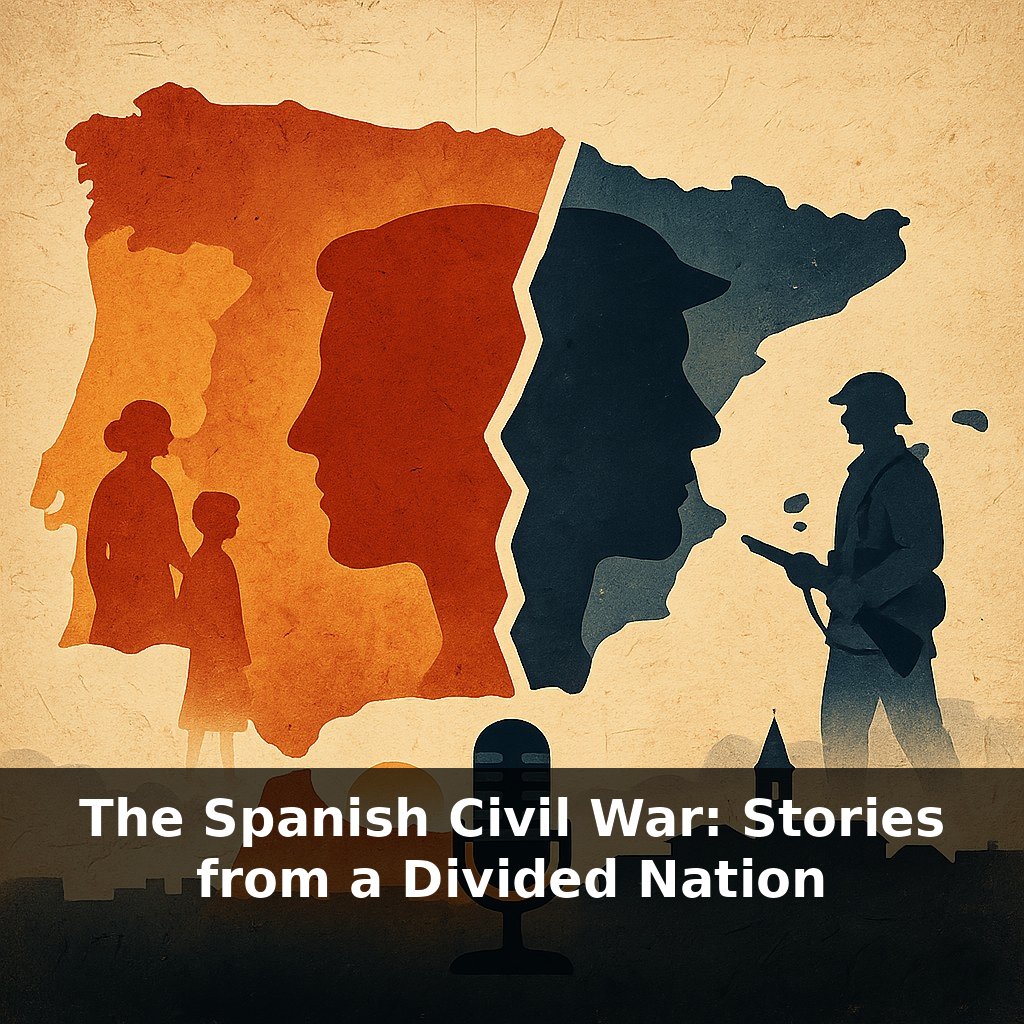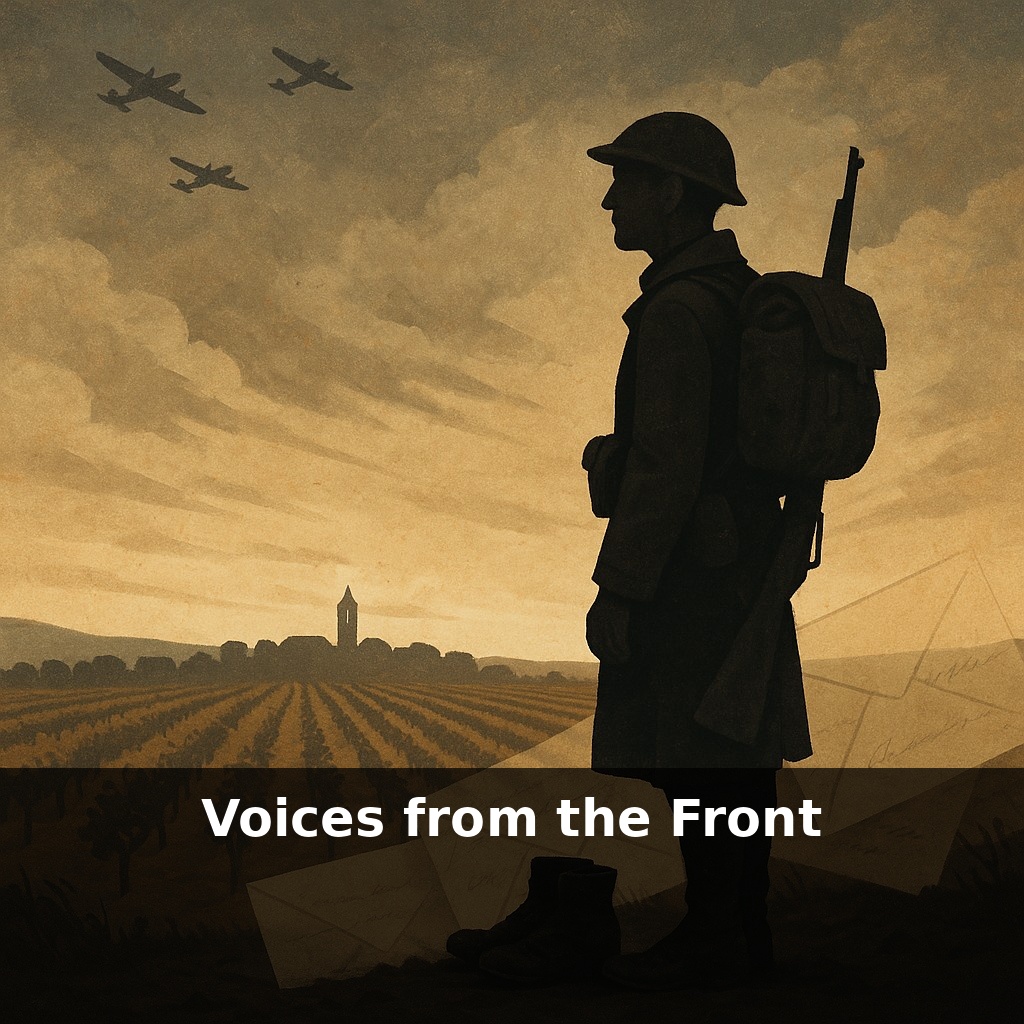
Gunfire echoes through a vineyard as fighter planes circle overhead—this is Spain in the late nineteen‑thirties, where trench mud, city streets, and church bells all became battlefields. One in ten deaths came from combat; the rest, from purges, bombing raids, and slow, invisible diseases.
Letters home from the front read less like manifestos and more like grocery lists and weather reports. Volunteers who had crossed oceans for an idea often wrote instead about boots that leaked, bread that went stale, and rumors that spread faster than orders. Faith in grand causes blurred at the edges; what stayed sharp was loyalty to the handful of faces in the same dugout or ruined doorway.
Meanwhile, new weapons arrived like experimental software updates: unfamiliar aircraft, untested tactics, foreign advisers cycling through units that barely shared a language. In the same week, a soldier might shuffle between a muddy trench, a shelled apartment block, and a village square turned execution ground. The front was not a line on a map but a moving pressure zone, and inside it, survival depended less on speeches than on who would share their last cigarette or canteen.
Front‑line voices came from every direction: Catalan conscripts, Navarrese peasants, miners from Asturias, teachers from Madrid, Moroccan regulars, and foreign volunteers whose accents turned dugouts into improvised language schools. Food queues and chaplain visits doubled as rumor exchanges, where news from distant fronts felt as abstract as stock prices until a familiar name appeared on a casualty list. Commanders drew arrows on maps, but for most fighters, the war shrank to the size of a platoon—more like a small startup scrambling each day than a tidy, hierarchical army.
Mud and masonry were only part of the landscape; politics seeped into every dugout and courtyard. Fighters carried not just rifles but party cards, union memberships, and village grudges. On the Republican side, a single company might mix anarchists who distrusted all officers, socialists pushing for central control, and communists reporting upward to Soviet‑backed advisers. Arguments over land reform or church property could flare between patrols as fiercely as skirmishes with the enemy.
Nationalist units had their own layered loyalties: traditionalist Carlists marching beside Falangist militants, regular army professionals trying to impose order on volunteers fired by sermons and propaganda. Officially, all fought for “Spain,” but that word meant different things in a Basque battalion defending regional autonomy than in a column from deeply Catholic Castile.
Morale rose and fell on small, tangible signals. A new pair of boots could feel like a vote of confidence from distant headquarters; a delayed pay packet or missing ration hinted that someone, somewhere, had stopped caring. Soldiers tracked these details the way office workers watch who gets copied on emails: tiny signs of inclusion or abandonment inside vast, impersonal structures. When equipment flowed and rotations to quieter sectors were honored, talk in the ranks leaned toward patience. When promises slipped, desertion and quiet sabotage crept in.
Religion threaded through all this. Some fighters pinned saints’ images inside tunics; others saw chaplains as informers. In strongly Catholic villages under Republican control, locals might cheer land redistribution yet still cross themselves when columns passed. On the Nationalist side, banners of the Sacred Heart flew beside modern artillery, turning old devotions into battlefield markers.
International volunteers added another layer of friction and curiosity. A New Yorker in the Abraham Lincoln Battalion could share a trench with a Polish miner and a Catalan clerk, each translating slogans into their own history. Mispronounced names and improvised sign language shaped cooperation more than official doctrine, and misunderstandings could be fatal or unexpectedly funny, breaking tension for a few minutes at a time.
Routines became armor. Many fighters clung to small, repeatable acts—shaving at dawn, re‑tying puttees the same way, sharing a set prayer or joke before patrol—as if these could pin chaos to the ground. One veteran later compared his days to “pages in a ledger”: each note of who lent bread, who returned on time, who kept a promise quietly recalculated whom he would trust tomorrow. In that sense, a company worked like a fragile sports team assembled mid‑season: people brought in from different leagues, learning signals on the fly, arguing over tactics yet forced to pass the ball or lose together.
When news arrived of battles elsewhere, it felt less like strategy and more like changes to the weather—something to be endured, not shaped. The rare visit from a senior officer or foreign adviser resembled a brief inspection by architects on a half‑built site: they spoke of blueprints and future offensives, then left the scaffolding crew to improvise supports, patch cracks, and hope the structure held through the next bombardment or reshuffle.
Your challenge this week: pick one object you use daily—a phone, keys, metro card—and treat it like a field relic. Each time you touch it, ask: whose decisions, fears, or hopes shaped this thing being here, now? By tracing those hidden chains, you’re rehearsing the same skill historians use when they follow a soldier’s name in a ledger to a village, a law, or a vanished street, turning scattered traces into a map of how ordinary lives absorb distant power.
Each voice we recover—from a scribbled margin note to a half‑remembered nickname—works like a faint streetlamp on an old city map, illuminating one more corner of a war that refused to stay on neat lines. As more graves are opened and archives unsealed, the outline keeps shifting, reminding us that the past is less a monument than a living construction site.
Before next week, ask yourself: 1) “Whose ‘voice from the front’ in this episode stuck with me most, and what would it look like—very concretely—for me to support someone like them in my own community (e.g., a refugee family, a frontline nurse, a protest organizer) this week?” 2) “If I had to pick just one local ‘front line’ issue I care about—like overcrowded shelters, understaffed clinics, or advocacy for veterans—where could I show up in person in the next seven days (a meeting, a shift, a call, a vigil) to stop being only a listener and become a participant?” 3) “What is one comfort, convenience, or routine I’m willing to trade—this week only—to free up time, money, or attention that I can redirect toward the kind of committed, consistent help these storytellers said they actually need?”