 2min preview
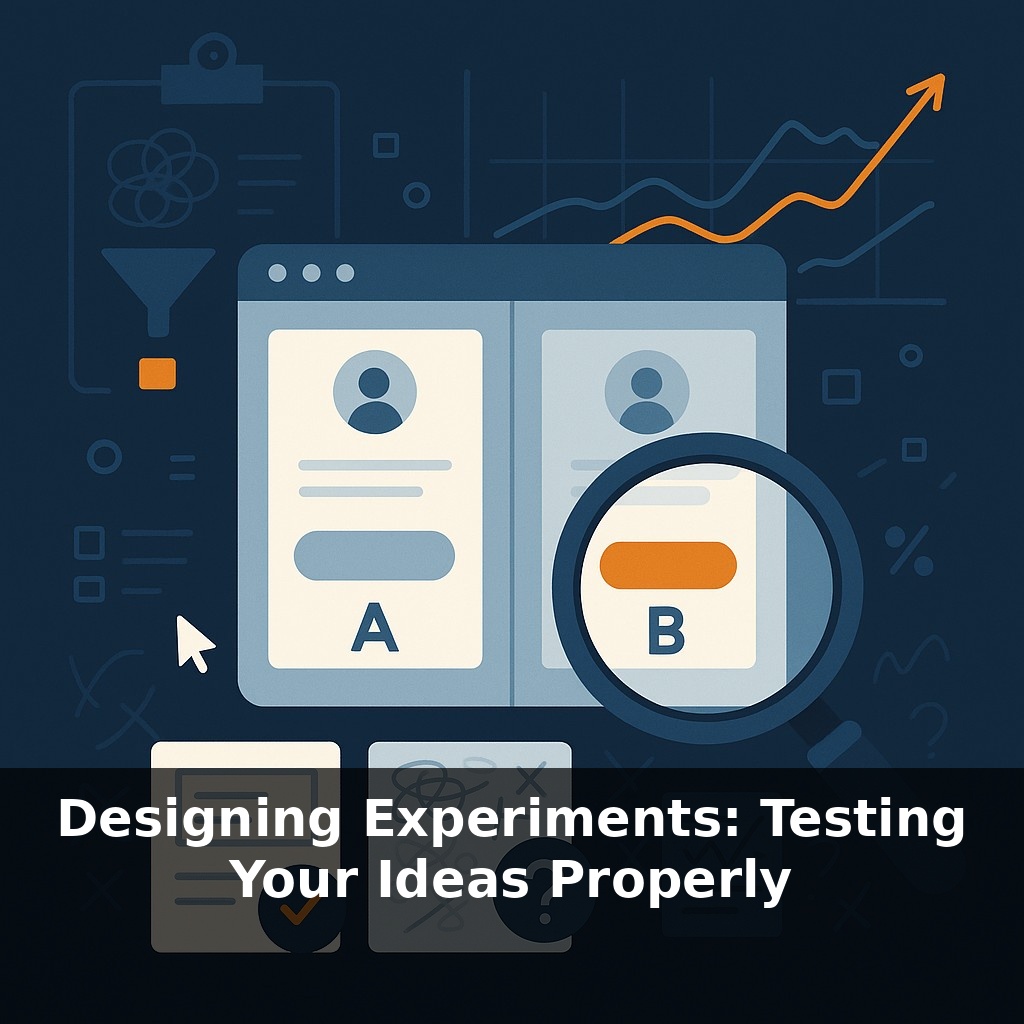
Designing Experiments: Testing Your Ideas Properly
📝 Transcript
Only about a third of big, famous psychology results held up when tested again. Yet companies like Google quietly run careful experiments that generate hundreds of millions of dollars. In this episode, we’ll explore why most ideas fail when tested—and how to design ones that don’t.
Most bad experiments don’t fail because of bad ideas; they fail because we ask the question in a sloppy way.
Change three things at once, measure vaguely, peek at the data every hour, and suddenly you can “prove” almost anything—until someone repeats your test and gets the opposite result. That’s how teams ship features that quietly hurt engagement, or launch “successful” ad campaigns that actually lose money over time.
Subscribe to read the full transcript and listen to this episode
Subscribe to unlockSubscribe for $1.99/month to unlock the full episode.
From this course
Think Like a Scientist: Evidence-Based Decision Making
7 episodesUnlock all episodes
Full access to 7 episodes and everything on OwlUp.
Subscribe — $1.99/monthLess than a coffee ☕ · Cancel anytime