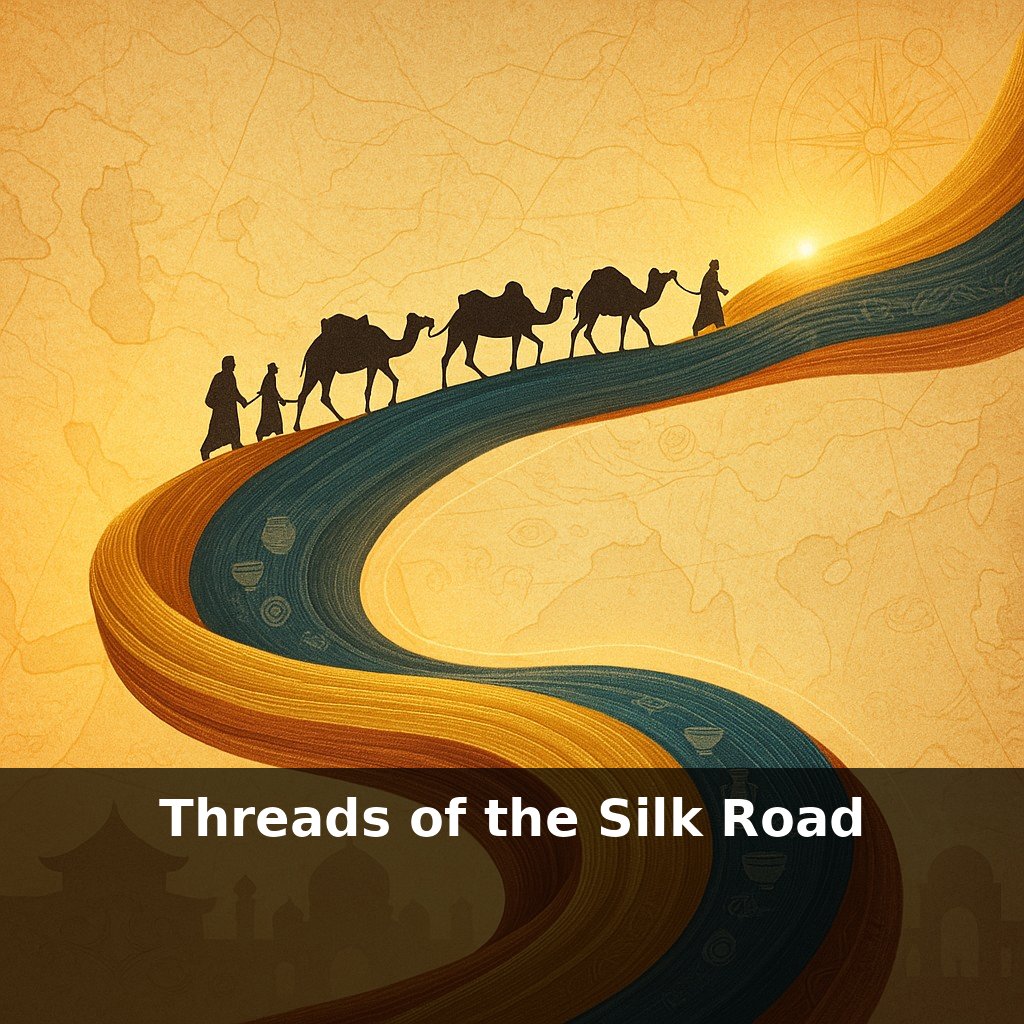
A single camel could carry enough pepper to buy a house in medieval Europe—yet most people touching those spice sacks never tasted a grain. In this episode, we step onto the night roads with the caravans that quietly rewired the world, one fragrant bundle at a time.
By the time those fragrant bundles reached a European port, they had passed through a chain of specialists as specialized as any modern supply team. An Arab ship captain knew the reefs of the Indian Ocean like a city cabbie knows shortcuts. A Gujarati broker in Cambay could glance at a heap of pepper and tell you which monsoon had fed it. In Aleppo, scribes inked multilingual contracts that let merchants claim profits thousands of kilometers away. And at every stop, prices shifted like a stock ticker: a flood in Kerala, a skirmish near Hormuz, a Venetian tax tweak—all could change what a single handful of cloves was worth by nightfall. These routes didn’t just move flavors; they stitched together weather patterns, local politics, and human trust into a fragile, profitable web that prefigured global trade as we know it.
By the 14th century, this web of roads and sea lanes had its own unwritten rulebook. Caravans timed departures to monsoon winds and desert temperatures the way commuters time trains. A pepper dealer in Calicut might hedge his risk by investing in saffron far away, just as a modern investor balances tech stocks with bonds. Credit letters traveled ahead of the goods, allowing a merchant in Damascus to “pay” in Venice months before a single bale arrived. And beneath the grand narratives of empires, small partnerships—cousins, neighbors, guilds—quietly learned to trust strangers they would never meet.
By daylight, the caravan looked like a slow‑moving town. At night, it turned into a mobile marketplace and classroom wrapped in one. Around the fires, contracts changed hands, gossip about distant ports traded owners, and recipes quietly migrated across languages. A Sogdian negotiator might swap news of a new Abbasid tax for a Syrian’s tip on which oasis well had turned brackish. That information could be worth more than a whole camel’s load if it helped someone choose the safer route.
Much of this world ran not on coins, but on reputation. A merchant’s name, recited in caravanserais from Samarkand to Hormuz, acted like a five‑star rating long before algorithms. Break a promise about the quality of your saffron, or default on a pepper delivery, and word could outrun you down the line. The corrective power of that gossip network kept fraud low enough for deals to span years and continents.
Security was another invisible cost built into every clove. Guards were expensive, so merchants layered protections. Valuable spices were packed in the least conspicuous sacks. Family firms split cargos between different groups, ensuring that a single sandstorm or raid couldn’t wipe them out. Some caravans quietly paid local tribes for “guidance,” which, conveniently, also meant not being robbed on their stretch of road.
Religion and law provided extra glue. Muslim, Hindu, Jewish and Christian trading communities all maintained their own courts and codes, but they also evolved shared norms: how to handle a lost shipment, what counted as acceptable profit, which weights and measures to trust. Judges in port cities from Aden to Calicut became experts at translating not just languages but expectations.
Over time, the traffic reshaped the land it crossed. Small watering stops grew into cities because they sat at ideal day‑long intervals; palaces and mosques in those towns were, in a sense, built out of cinnamon and pepper profits. New crops—citrus, sugarcane, chilies—followed the merchants’ paths and took root far from their homelands, turning local fields into long‑term bets on distant tastes and trends.
A pepper dealer in Gujarat who backed distant saffron harvests wasn’t just gambling; he was building a portfolio the way a startup founder today mixes funding sources—angel money, revenue, maybe a government grant—so one bad quarter doesn’t kill the dream. In the Red Sea ports, joint ventures linked Yemeni shipowners, Indian spice growers, and Jewish financiers in Cairo; each took a slice, none carried the whole risk. It’s very close to how a film today might be co‑produced by studios in three countries, shot in a fourth, and pre‑sold to streaming platforms before the first scene is edited. Even quality control had its hacks: Javanese clove suppliers sometimes sent “test bags” ahead so buyers in Hormuz could inspect color and oiliness before committing to full loads. Further east, Chinese officials quietly tracked which foreign traders kept their pepper promises—and steered the best warehouse space and tax breaks to the most reliable names, turning trust into state policy.
Pepper once helped fund palaces; tomorrow, its cousins may bankroll data farms. As climate pushes cardamom and saffron uphill or indoors, investors treat high‑end spices like venture bets on micro‑climates. Farmers install sensors the way traders once hired guides, watching soil and fog instead of rumors. Blockchain trails whisper through the chain like modern caravan gossip, while GI labels turn origin into a kind of passport stamp, deciding which valleys taste “real” enough for premium shelves.
Each pinch of turmeric or saffron in your kitchen is a fossil of those decisions: which ridge to plant, which storm to risk, which stranger to trust. Your challenge this week: scan one spice label, trace where it comes from, and ask who got paid along the way. Like reading tree rings, you’ll glimpse the quiet routes still shaping your plate.