Understanding Teenage Psychology: A Parent's Guide
📝 Transcript
About half of all mental-health conditions start before high school ends—yet most parents still treat teenage mood swings as “just a phase.” Your teenager slams a door, snaps at you, then later cries in the dark. What if that chaos is actually their brain doing exactly what it’s supposed to?
You’re not just living with a “moody teen”; you’re living with someone whose entire inner map of the world is being redrawn. Friendships suddenly matter like oxygen. A raised eyebrow from a classmate can feel louder than anything you say. Rules that seemed fine at 12 may now feel, to them, like handcuffs. This isn’t because they’ve stopped caring about you—it’s because they’re testing where *they* end and where you begin. In this phase, your role quietly shifts from manager to coach: less “Do this because I said so,” more “Let’s figure out how you want to handle this—and what the guardrails are.” When you respond to their storms with curiosity instead of instant correction, you show them that big feelings and hard questions are not dangers to be avoided, but signals to be understood together.
So what’s actually shifting under the surface? Three big forces are colliding at once: bodies are changing gear hormonally, sleep rhythms are drifting later, and sensitivity to social rewards is turned up high. That combo can make a simple homework reminder feel like a spotlight on their every flaw. Add in academic pressure, social media, and the pull to plan their future before they’ve finished growing, and even ordinary days can feel like tightropes. Your teen isn’t trying to be difficult; they’re trying to stay balanced while the rope itself keeps moving.
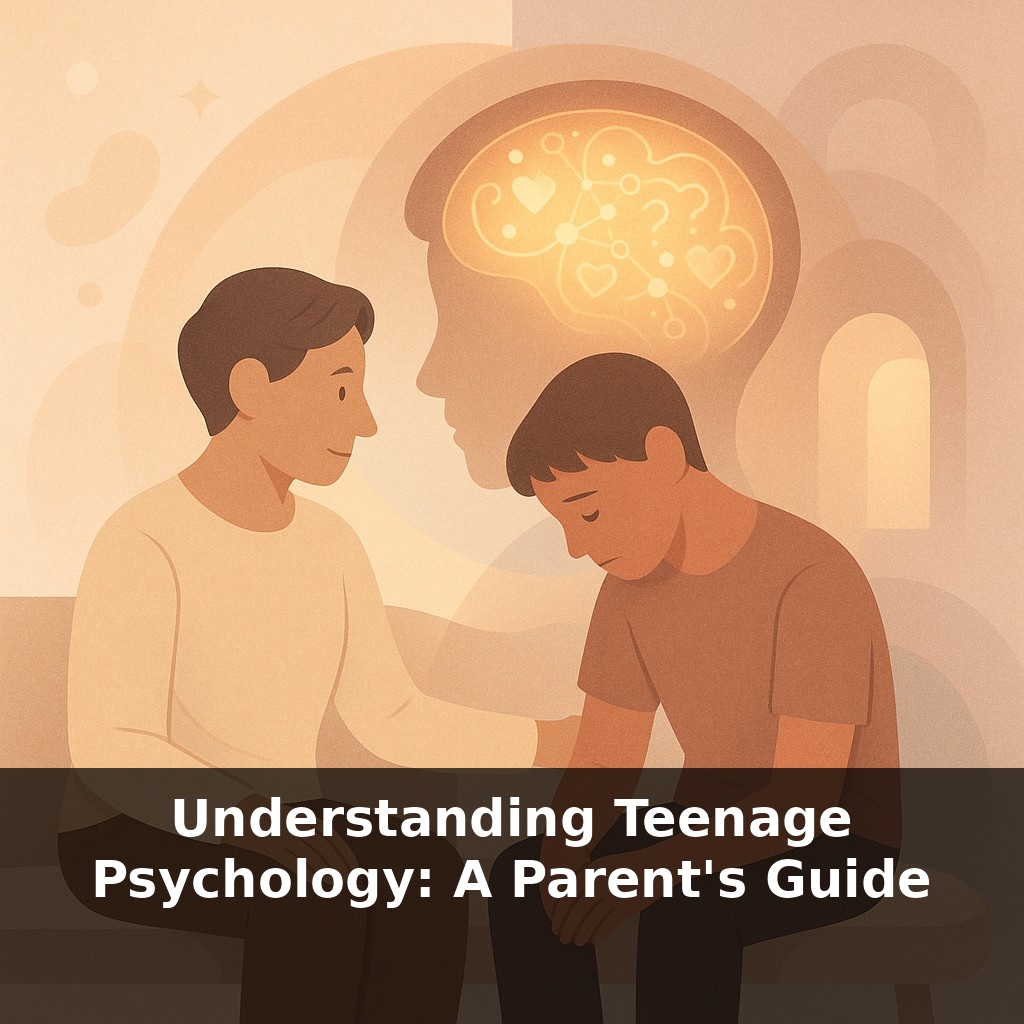
Here’s the twist most parents miss: while your teen looks bigger, louder, and sometimes scarier on the outside, *their ability to manage impulses and emotions is still under construction*. The parts of the brain that crave rewards, novelty, and approval speed up early; the systems that brake, reflect, and plan strengthen more slowly. That mismatch doesn’t excuse harmful behavior—but it *does* change how your responses work.
Take arguments. When voices rise, your teen’s stress system surges fast: heart racing, tunnel vision, black‑and‑white thinking. In that state, lectures don’t land; they bounce off. What *does* register is your tone, your facial expression, and whether you seem like an ally or an opponent. Calm doesn’t mean being a doormat—it means you’re choosing timing strategically. You can say, “I care too much about this conversation to keep going while we’re both heated. Let’s press pause and come back at 8.” That models the very self‑control you want them to learn.
Autonomy becomes another pressure point. Developmentally, they’re wired to push for more say over their time, friends, and choices. You may feel tempted to clamp down to stay safe and in control. Yet research consistently shows that an *authoritative* stance—high warmth, clear structure, room for input—beats both “anything goes” and “my way or the highway.” Teens are more likely to follow rules they helped shape, especially when they understand the *why* behind them.
Think of your home Wi‑Fi settings: you don’t turn off the internet because there are risks; you add filters, time limits, and passwords, then teach your kids how to navigate online wisely. Boundaries with curfews, screens, and dating work similarly: the long‑term goal isn’t blind obedience; it’s internal decision‑making that still functions when you’re not there.
Listening becomes a superpower here. When your teen shares something risky, provocative, or upsetting, your first task is not to fix—it’s to *get curious*. “Walk me through what happened,” “What felt hardest?” or “What options did you consider?” signal that you see them as a thinker, not just a rule‑breaker. Ironically, the more you treat them as capable of reflection, the more their reflective capacities grow.
This doesn’t mean tolerating everything. It means pairing firm lines on safety—substances, self‑harm, sexual coercion—with a wide, judgment‑light space to talk about the gray zones. Your steadiness tells them: “You can bring the mess here. We’ll sort it out together, and I’ll still be your parent, not your judge and jury.”
Think of those day‑to‑day flashpoints—unfinished chores, missing homework, messy rooms—as practice drills, not moral verdicts. When your teen forgets to take out the trash *again*, you could snap and do it yourself, or you could say, “Let’s set a system that helps you remember—what would actually work for you?” Now you’re shifting them from defending themselves to designing a solution. Or when they come home late, instead of launching into a speech at the door, try: “You’re late. I was worried. Before we talk consequences, help me understand what got in the way of the plan.” You’re still holding the line, but you’re inviting them to analyze, not just apologize. Over time, these micro‑moments teach them a crucial sequence: pause, notice what happened, tweak the plan. It’s like reviewing game footage after a match—you’re not re‑playing every mistake in slow motion to shame them; you’re studying patterns so tomorrow’s decisions land closer to where they want to be.
Policy shifts may help, but your daily choices still matter most. As tools like CBT chatbots and tailored apps spread, they’ll be more like headlights than autopilot—extending what you already do, not replacing you. Think of them as extra lenses on a camera, helping you and your teen zoom in on patterns, slow down snap reactions, and replay tricky moments with less blame. Families who learn to use these supports together now will give tomorrow’s adults a stronger “emotional immune system” for stress.
Each small choice—pausing before you react, asking one more question, sharing a bit of your own uncertainty—adds a new thread to the connection between you. Over time, those threads can feel like a suspension bridge: flexible in the wind, strong under weight. You don’t need a perfect script; you just need to keep showing up, curious about who your teen is becoming.
Here’s your challenge this week: Tonight, ask your teen one curious, non-judgmental question about their world (like “What’s something adults really don’t get about social media or friendships right now?”) and just listen without interrupting or offering advice. When they’re done, reflect back what you heard in your own words and ask, “Did I get that right, or am I missing something?” Before the week ends, repeat this two more times—once about school stress and once about their friendships—and notice any shift in how open they are with you.
From this course
Transforming Teen Talk: Bridging the Communication Gap
7 episodesUnlock all episodes
Full access to 7 episodes and everything on OwlUp.
Subscribe — $1.99/monthLess than a coffee ☕ · Cancel anytime