 2min preview
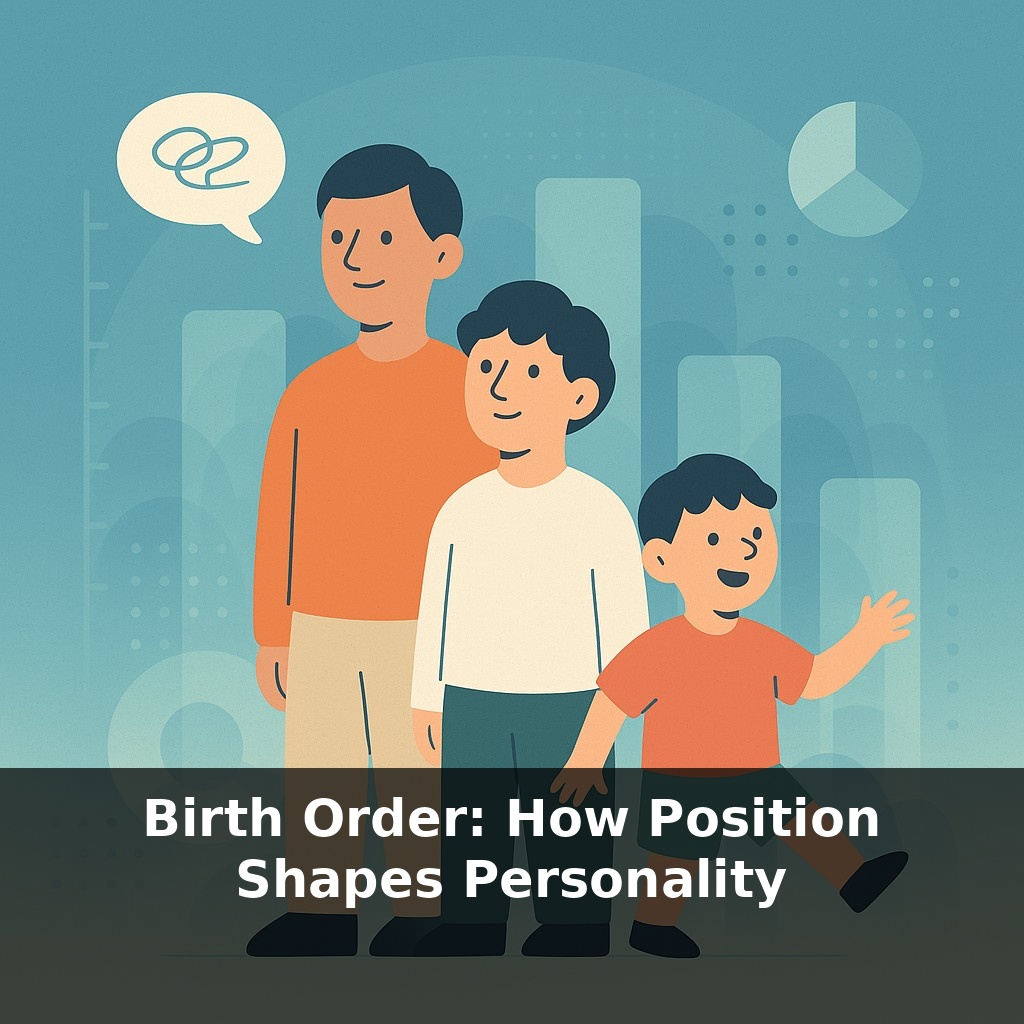
Birth Order: How Position Shapes Personality
📝 Transcript
About half of U.S. presidents were firstborns—yet many psychologists now argue birth order barely shapes who we become. In this episode, we’ll step inside three different families and ask: are these “oldest, middle, youngest” stereotypes real, or just really sticky stories?
Here’s the twist: the more carefully researchers measure birth order, the smaller its effects look. In huge modern datasets, siblings do differ—but often by less than the gap between two random classmates at school. So why do the patterns inside your own family feel so vivid? Part of the answer lies in expectations: parents often “see” leadership in the eldest and free spirit in the youngest long before those traits are fully there, then feed them with extra praise, tasks, or leniency. Another part is strategy. Children quietly scan the emotional landscape—Who gets attention for what? What’s already “taken”?—and adjust. It can be as subtle as a quieter sibling becoming the family diplomat, or as visible as one child owning “the smart one” role while another perfects being “the funny one.” Over time, those tiny, repeated choices harden into identity.
Zoom out from any single family, and the picture looks even messier. Large studies suggest genes, broader culture, and sheer chance often outweigh position in the lineup. Two “oldest children” raised in different countries, or even under different economic stress, can end up less alike than an oldest and youngest from the same household. Still, subtle patterns show up when you zoom in: who parents worry about, who teachers rely on, who relatives brag about. It’s less a script and more a set of gentle nudges that interact with stress, opportunity, and timing across a lifetime.
Subscribe to read the full transcript and listen to this episode
Subscribe to unlockSubscribe for $1.99/month to unlock the full episode.
From this course
Understanding Family Dynamics: Systems That Shape Us
7 episodesUnlock all episodes
Full access to 7 episodes and everything on OwlUp.
Subscribe — $1.99/monthLess than a coffee ☕ · Cancel anytime