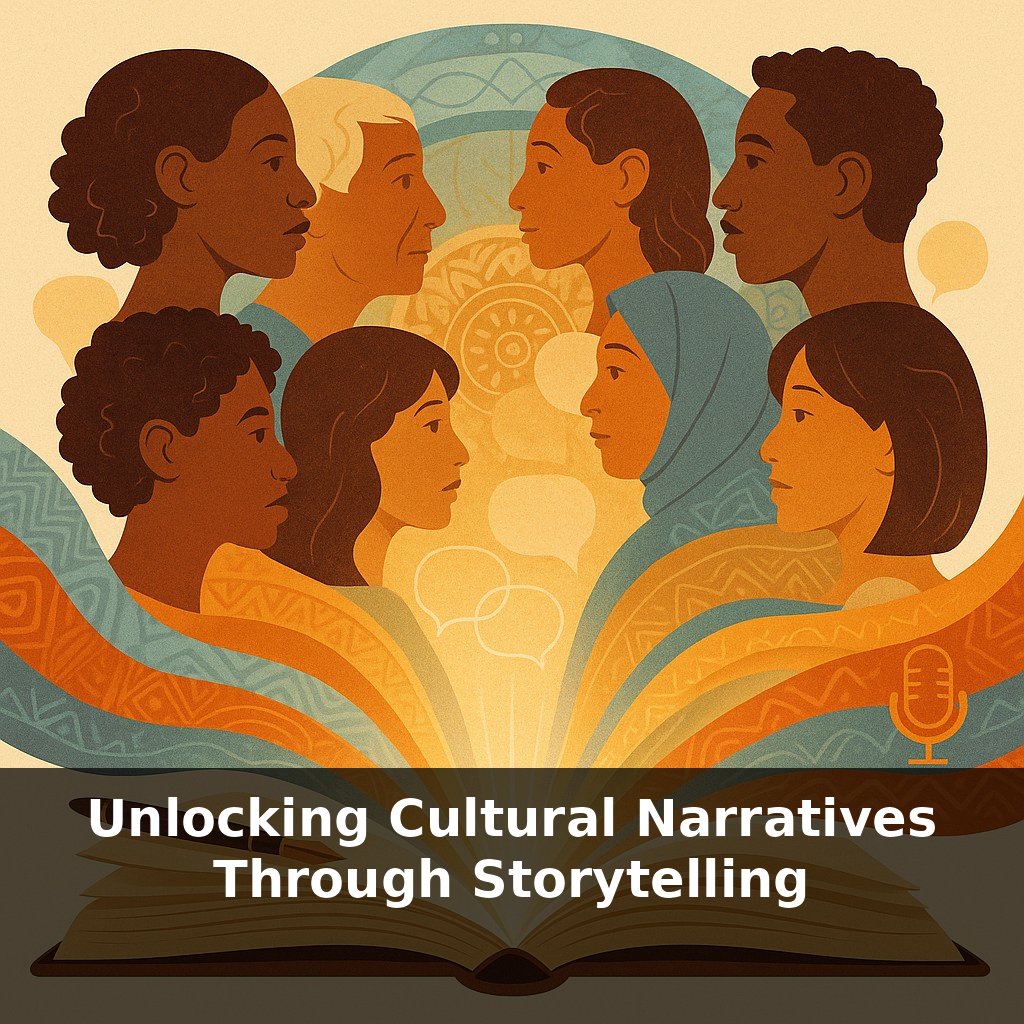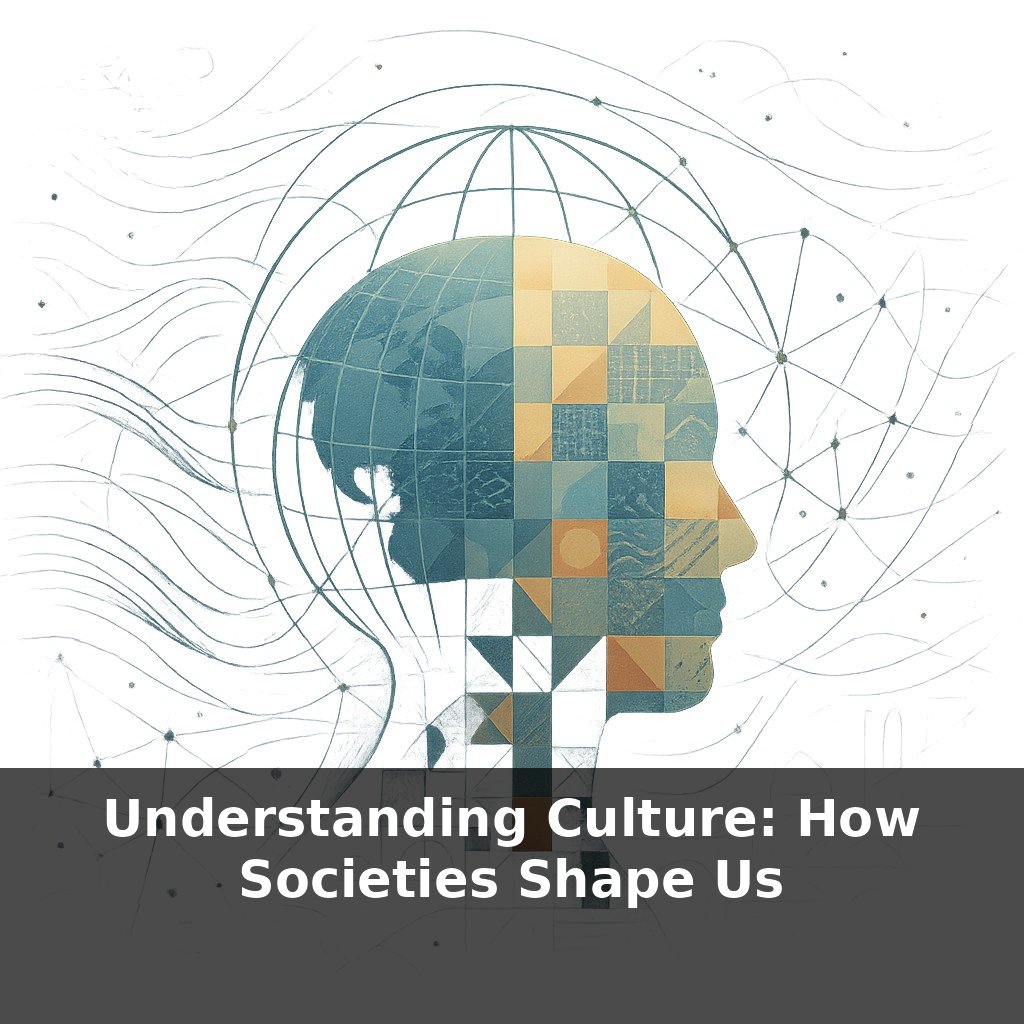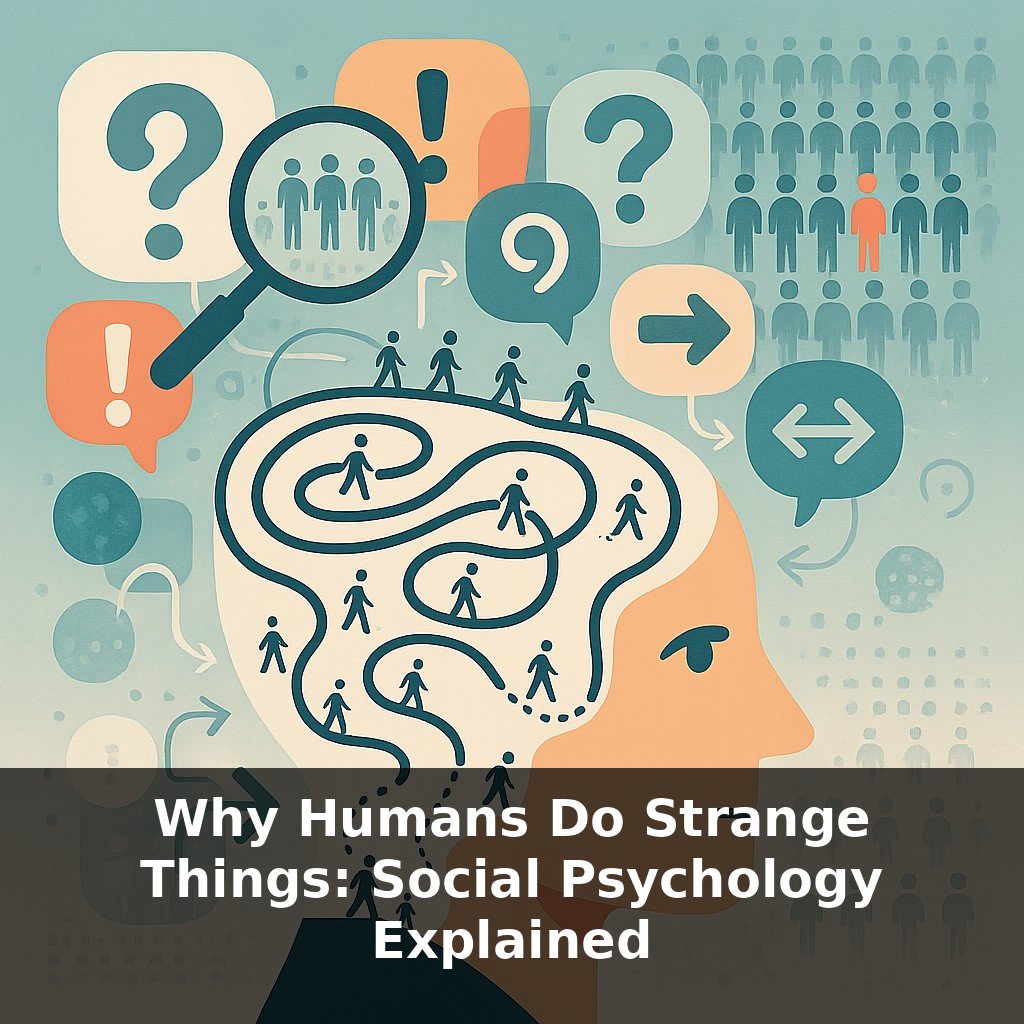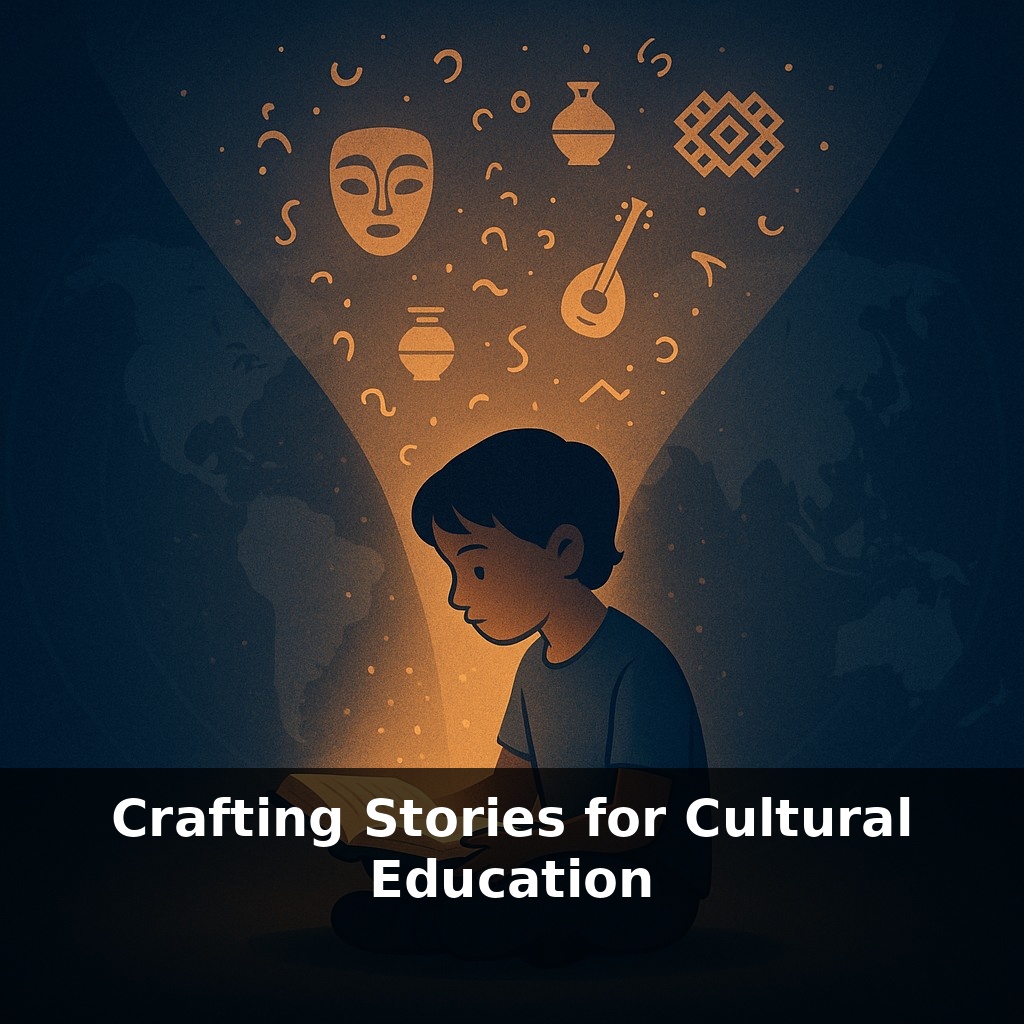
Some of the world’s oldest stories are vanishing faster than many endangered animals. A language falls silent roughly every month. Now, picture a child hearing a bedtime tale in that fading tongue—do they receive a lesson, or become the last chapter of a culture?
That child’s story moment isn’t just tender—it’s tactical. Around that quiet listening circle, decisions are being made about whose history counts, which heroes are remembered, and which values feel “normal.” Cognitive research shows that when a tale grips us, our brains temporarily relax their skepticism; social norms and cultural patterns can slip in almost unnoticed, like guests entering with the musicians at a crowded wedding. This is exactly why stories have been used for centuries to teach ethics, encode survival knowledge, and negotiate identity across generations. Today, though, many cultural narratives reach children through global streaming platforms, school textbooks, and glossy picture books that often flatten or remix traditions. The opportunity—and responsibility—is to design stories that don’t just entertain, but actively widen the cultural map in a young listener’s mind.
So the real question isn’t “Can stories teach culture?”—we know they do—but “Who gets to hold the microphone, and what exactly are they passing on?” In many classrooms and streaming queues, a handful of dominant narratives replay like a global hit song on repeat, while local melodies barely reach the speakers. Yet research on multicultural storybooks and the growth of culture podcasts shows there’s genuine appetite for richer playlists. When a child meets a trickster from one tradition and a wise elder from another, their mental map of “normal” quietly stretches, making room for more than one way to be brave, clever or kind.
A well-crafted cultural tale starts long before the first line is spoken. Think of yourself less as an author and more as a curator: whose memories, whose sounds, whose landscapes are you bringing into the room? Start by choosing a very specific cultural moment or practice—a harvest ritual, a coming‑of‑age celebration, a neighborhood market at dawn. Specificity is your ally; the more concrete the scene, the easier it is for listeners to “travel” there and stay anchored.
Next, pair that moment with a single learning intention. Are you trying to show how a community resolves conflict without formal courts? How humor is used to talk about power? How respect is shown across generations? A common mistake is loading one narrative with every value and custom available; instead, let each episode or chapter illuminate one or two ideas clearly, then trust the series to build a fuller picture over time.
Authenticity comes from texture, not clichés. Gather details: the way elders pause before naming an ancestor, the rhythm of a work song, the teasing between cousins setting up a festival stall. These small elements carry more cultural truth than generic references to “colorful costumes” or “ancient wisdom.” Whenever possible, co‑create with people from within the community: invite them to suggest dialogue, correct terminology, or alternative endings that feel truer to lived experience. This collaboration shifts authority away from a single storyteller and toward a chorus.
Structure also matters. Interleave explanation with experience: allow a scene to unfold, then briefly surface to name what just happened—a proverb used to soften criticism, a joke that signals belonging, a silence that marks respect. For younger audiences, turn these pauses into questions or mini‑choices: “If you were there, who would you stand beside?” “Which path would you take to fix this?” Participation transforms listeners from tourists into temporary citizens of the story-world, more likely to remember and carry it forward.
An easy way to test your cultural storytelling is to treat each new element like adding a new instrument to a band. Start with one “lead” element—maybe a grandmother’s proverb or a street vendor’s greeting—and let everything else support it. For instance, if your focus is on how a community welcomes strangers, you might center the story on a shared meal. The language choice, setting, and side characters should all echo that welcome: a neighbor offering a shortcut through an alley, a child clearing a chair, a local song that everyone knows the chorus to, even if they speak different mother tongues.
Try drafting three micro‑scenes of the same event from different perspectives: the newcomer, the host, and an observing child. Like three sketches of the same landscape at sunrise, noon, and dusk, the contours remain but the colors shift. Notice which details stay essential in all three—those are your cultural anchors. The rest are spices: you can dial them up or down depending on your audience’s age, background, or medium, whether you’re scripting a short video, a classroom audio clip, or a community theater piece.
As these narrative tools mature, expect learners to shape them as much as educators do. A classroom might remix a grandparent’s tale into a short film, then feed it into an AI that offers variant endings drawn from neighboring cultures. Small communities could form “story commons,” pooling local episodes into shared archives that schools, museums and game designers adapt. The biggest shift: culture becomes a living co‑authored project, not a fixed script to be received.
When you draft your next tale, treat it like mapping a city at night: each scene lights one window where a life is unfolding. Over time, clusters of glowing stories reveal neighborhoods of experience, shortcuts between worlds, and bridges across histories. Your challenge this week: find one dim corner in your community’s story‑map and give it a light.