 2min preview
The Power of Personal Anecdotes
📝 Transcript
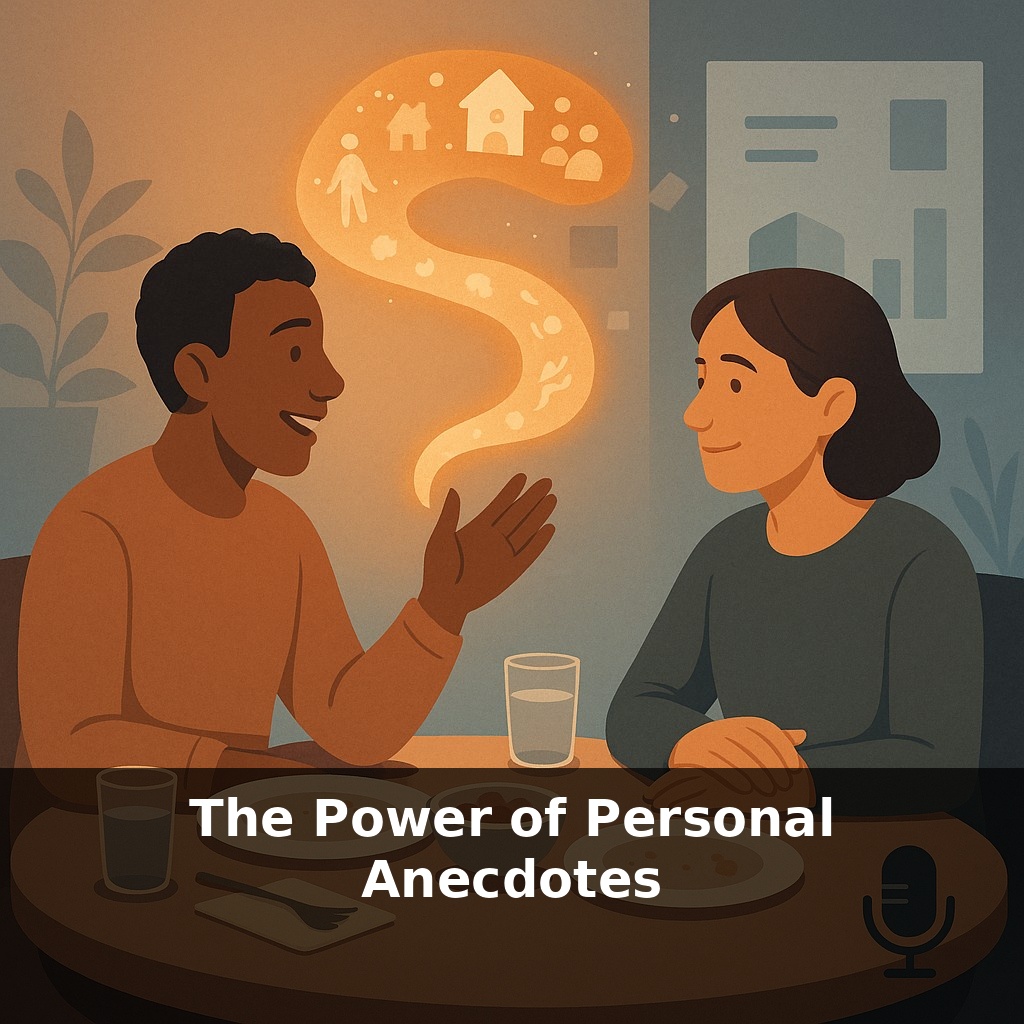
A marketing survey found almost everyone trusts a friend’s story more than a company’s ad. Now you’re at dinner: one friend shares a messy, honest tale; another rattles off polished facts. You feel the pull of one more than the other. Why does that rough story stick in your mind?
Ninety-two percent of people say they trust personal recommendations more than corporate messages—so in cultural debates, your “small” story may be carrying more weight than a whole institution’s PR budget. That dinner-table moment where someone shares a messy experience isn’t just social noise; it’s a tiny data point feeding into a much larger narrative about what’s normal, fair, or possible. Think about how threads of lived experience pile up: a coworker’s account of burnout, a neighbor’s struggle with rent, a friend’s joy at finding community. Each anecdote is like a lantern hung along a dark trail, quietly marking where others have walked. Over time, those scattered lights sketch the outline of a shared reality—one that can challenge official stories, legitimize hidden problems, or validate desires people didn’t yet have words for. Personal anecdotes, in other words, are small stories doing big cultural work.
Those scattered stories don’t just float in isolation; they start clustering. A few coworkers quietly comparing overtime turns into a pattern; several parents trading school-dropoff frustrations becomes an informal briefing on a system. Think of how one friend’s account of therapy used to sound unusual, then gradually, similar stories stacked up until seeking help felt ordinary, even expected. Media, algorithms, and institutions notice these clusters: journalists chase them, campaigns echo them, platforms amplify them. Over time, what began as side comments can harden into “common sense” about work, health, money, or belonging.
Subscribe to read the full transcript and listen to this episode
Subscribe to unlockSubscribe for $1.99/month to unlock the full episode.
From this course
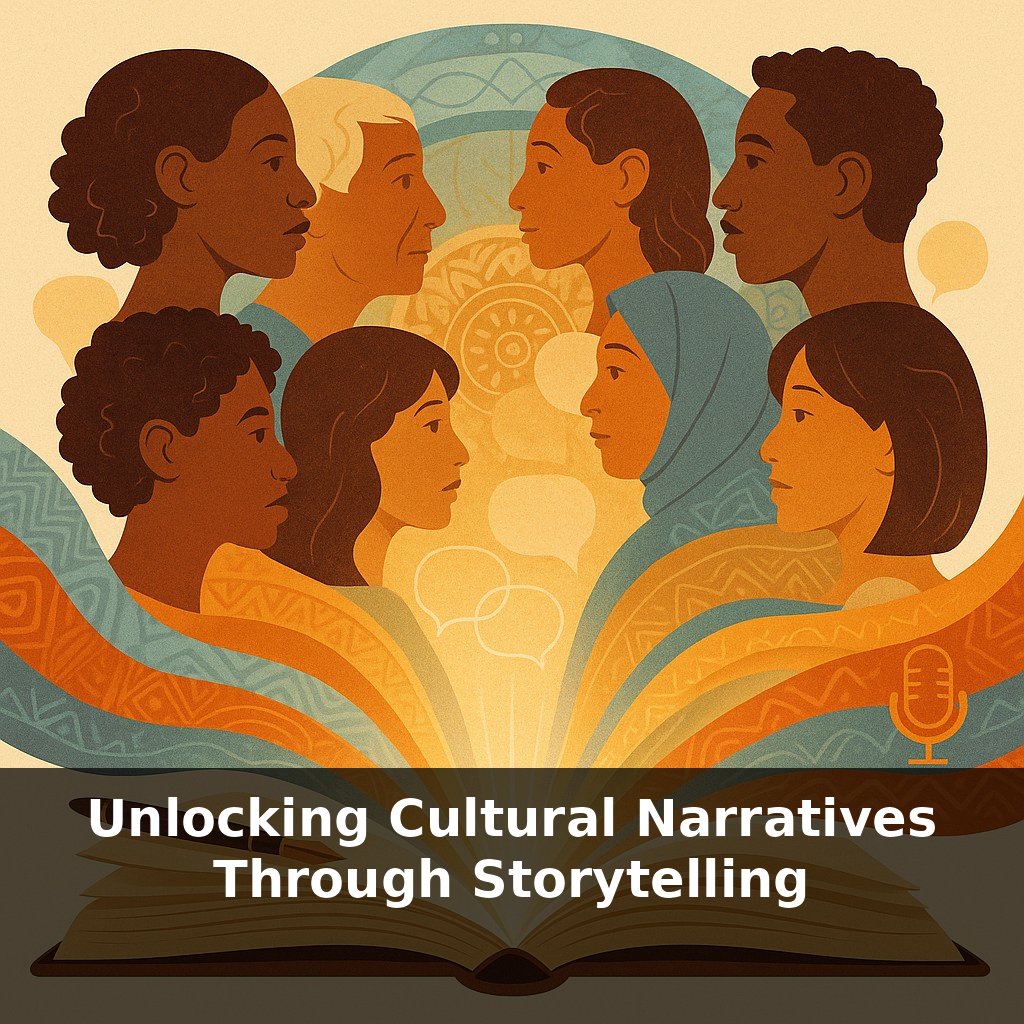
Unlocking Cultural Narratives Through Storytelling
7 episodesUnlock all episodes
Full access to 7 episodes and everything on OwlUp.
Subscribe — $1.99/monthLess than a coffee ☕ · Cancel anytime