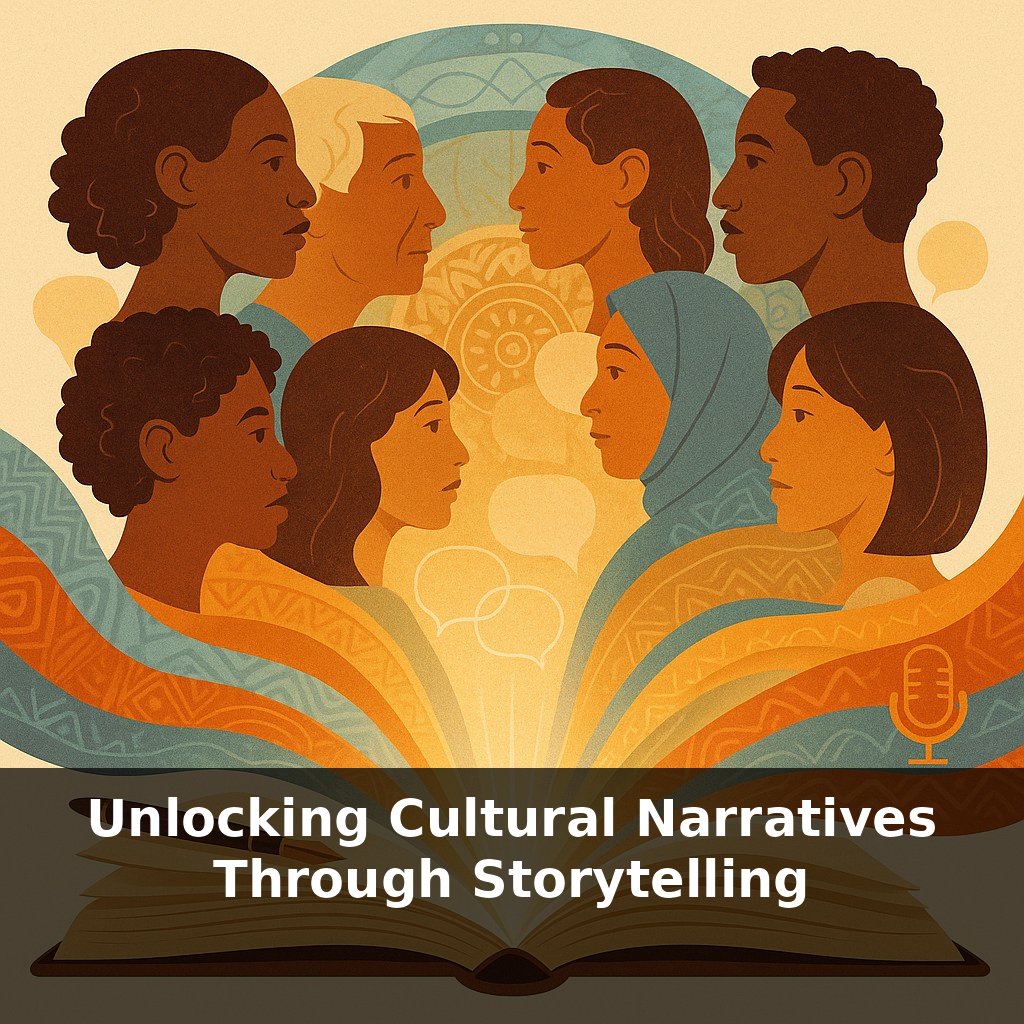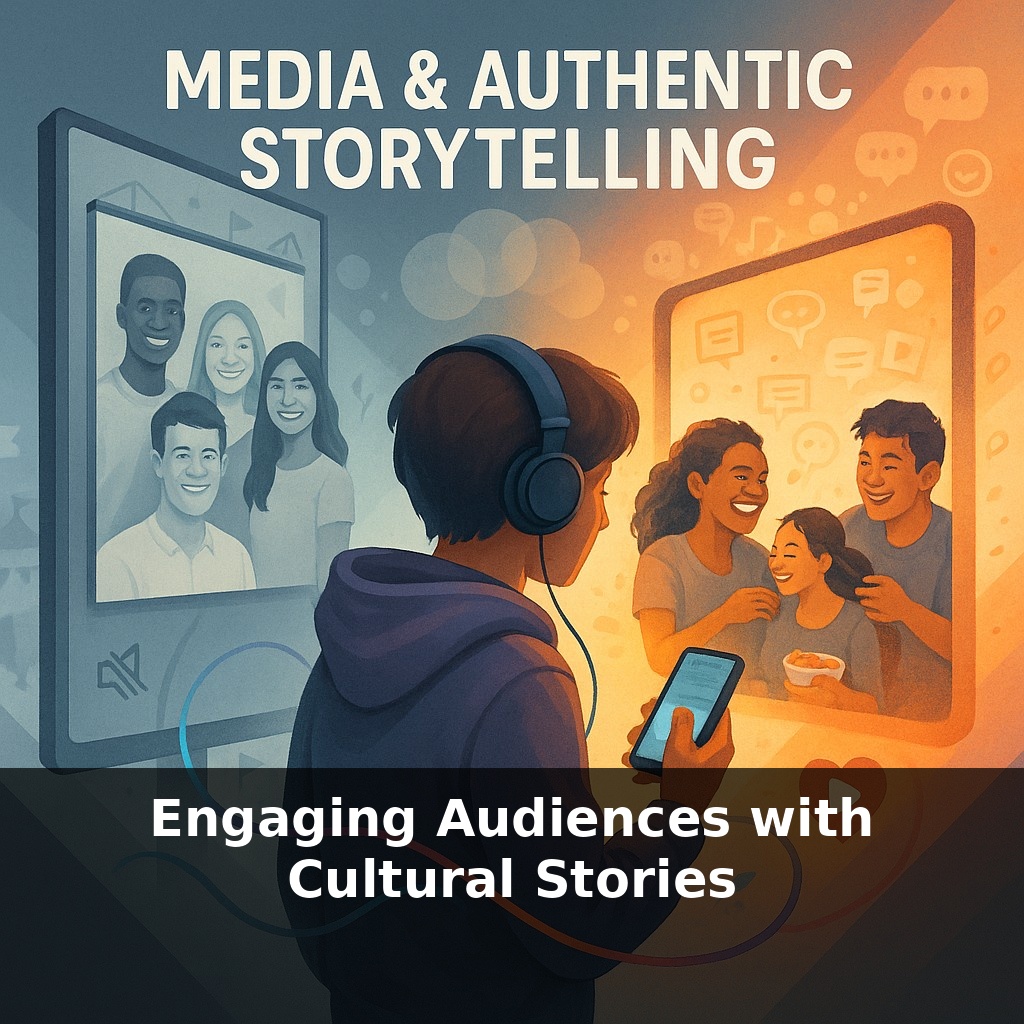
Stories beat raw facts for memory by more than twenty times—yet many “diverse” campaigns still fall flat. A teen scrolls past a glossy ad about her culture without a second look, but stops cold at a scrappy fan-made video. Why does the unofficial story feel more real than the official one?
Seventy‑one percent of Gen Z say they want to see diversity in advertising—yet many switch off the moment they sense a token gesture. The gap isn’t about adding more flags, festivals, or faces to a collage; it’s about whether the story feels like it could only have come from the people it claims to portray. That’s where cultural texture comes in: the tiny, taken‑for‑granted details that insiders recognize instantly and outsiders find intriguing rather than exotic. Think of a streaming series where the background radio station, inside jokes, and family rituals are so specific they could belong to your cousin’s house. Neuroscience backs this up: when those cues ring true, attention spikes, emotional chemistry shifts, and the audience is more likely to stay, share, and show up in real life. In this episode, we’ll explore how to reach that level of resonance without slipping into cliché or caricature.
Think about the last time a show made you pause because a tiny moment felt oddly specific: the way an aunt corrects someone’s pronunciation, a snack brand on the table, the slang in a group chat. Those fragments aren’t random decoration; they’re signals that someone bothered to listen closely before writing. In practice, that means moving beyond “researching a market” to co‑creating with the people whose lives you’re depicting. Cultural insiders notice when details are slightly off, like a favourite song in the wrong decade, and that small mismatch can quietly undercut trust, no matter how glossy the production.
When practitioners talk about “getting it right,” they’re really juggling two quiet questions: “Who is this for?” and “Who is this from?” Audiences don’t just evaluate a scene; they sense the relationship behind it—was this built with them, near them, or far away from them?
One practical shift is to treat cultural cues as dialogue, not decoration. Before writing, some teams hold listening circles where community members share stories they’d tell a friend, not a focus group. Instead of asking, “What do people from X culture do at weddings?” they ask, “Tell me about a small, funny moment that would only happen at *your* family’s wedding.” Those oddly specific anecdotes—the uncle who always adjusts the playlist, the cousin who translates jokes under her breath—become seeds for characters who feel lived‑in rather than assembled.
Casting and collaboration matter just as much as research. When writers’ rooms, design teams, or campaign leads include people with genuine stakes in how their worlds are portrayed, they naturally push back on lazy shortcuts. That tension is productive. It’s how “generic street market” can turn into a recognisable corner with a stall owner who has a running gag with local kids. Pixar famously ran “Coco” through many rounds with Mexican advisors; lesser‑known studios now mirror that process with rotating “story councils” who can veto, reshape, or deepen scenes.
There’s also a structural choice: will the narrative treat culture as backdrop, plot device, or source of agency? Backdrop stories hang flags on the wall and move on. Plot‑device stories wheel out a ceremony or festival whenever drama is needed. Agency‑driven stories let characters’ cultural logics shape what they want, what scares them, and how they solve problems. Airbnb’s “We Accept” spots, for instance, didn’t just cast diverse faces; they framed belonging—and exclusion—as the central conflict that characters were actively navigating.
The paradox is that the more grounded these details become, the more widely they travel. Outsiders don’t need footnotes; they need emotional stakes they recognise, anchored in choices that feel internally consistent. When that happens, a scene built for one neighbourhood can land halfway across the world—not because it was watered down, but because it was rooted deeply enough to grow.
Spotify’s Nigeria team once noticed fans sharing hyper‑local jokes about “detty December” (the chaotic end‑of‑year party season). Instead of a generic “holiday” campaign, they built playlists and short clips around that ritual: traffic jams before concerts, aunties calling at 2 a.m., glitter still on your shoes at work. Streams spiked, but so did social replies along the lines of, “Whoever wrote this is one of us.”
A smaller example: a language‑learning app piloted micro‑stories in Brazilian Portuguese where characters argued over which grandmother’s recipe was “the real one.” The plot was simple; the tiny references—pressure cookers, particular cuts of meat, the way people soften a disagreement with “pois é”—made learners feel they were overhearing real lives, not drills.
Analogy time: crafting with this level of care is like walking a forest trail with a local botanist; the path is familiar, but suddenly every leaf, sound, and shortcut carries a story only they can reveal.
As AR, VR, and AI tools mature, audiences won’t just watch depictions; they’ll *inhabit* them. That means surface‑level nods will feel as flat as painted scenery in a 3D game. Accountability also shifts: communities can instantly annotate, remix, or call out portrayals, turning every release into a live referendum. Teams that treat locals as co‑authors gain both nuance and agility; those that copy‑paste templates will see engagement quietly drift toward creators who feel closer to the ground.
The next step isn’t louder messaging; it’s quieter listening. Treat each project like moving into a shared kitchen: you bring your own ingredients, but you learn where the spices are kept, which pots carry family history, and when to stay out of the way. Over time, audiences don’t just recognise themselves on screen—they invite you back for seconds.
Start with this tiny habit: When you hit play on any podcast or video, pause for just 10 seconds and whisper one cultural story from your own life that connects to the topic—like a family saying, a childhood tradition, or a moment when you felt “between” cultures. Then, jot a single phrase from that memory in the notes app you already use for to-dos (e.g., “grandma’s proverb about rain and patience”). Within 24 hours, share just *one* sentence from that story with a friend, in a DM, or as a comment where people are already talking about the episode.