One headline, one push alert, one viral clip—by tonight, millions will be talking about the *same* three topics. Not agreeing on them, just circling them. In this episode, we’ll step into that invisible meeting room where your attention gets its daily agenda.
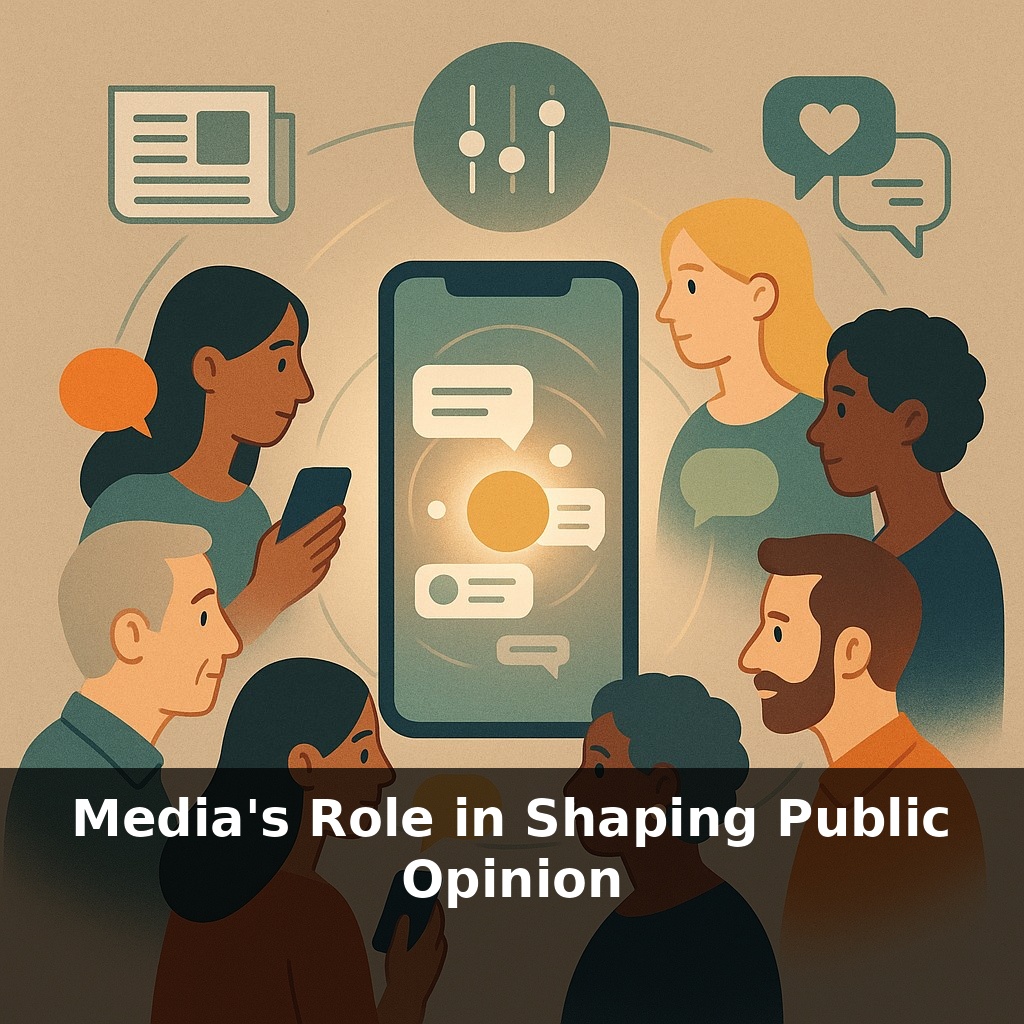
That invisible meeting room isn’t neutral—it’s curated. Not by a single editor in a smoky newsroom, but by a tug‑of‑war between three forces: traditional newsrooms deciding what “matters,” algorithms predicting what you’ll click, and your own network sharing what they *felt* most strongly about. Open your phone after a long day and you’re stepping into the outcome of that struggle.
Consider how a niche story—say, a local zoning change—barely flickers across your feeds, while a celebrity feud follows you from platform to platform. Or how two people in the same city inhabit utterly different news worlds: one soaked in economic anxiety, another in culture‑war outrage. It’s not random. Each scroll, tap, and pause subtly reshapes tomorrow’s room, shifting which conversations feel urgent, normal, or invisible.
Now zoom out from your own screen. The stories that rise or sink there are also steering dinner‑table debates, protest signs, policy memos, even which books get written next year. When a topic dominates coverage—climate, crime, a startup boom—it quietly redraws the map of “serious” and “trivial” in public life. Politicians start answering questions they’re asked more often; investors chase what feels hot; schools revise what they teach. This is agenda‑setting at scale: not mind control, but crowd control—of attention, outrage, and eventually, decisions.
Think about three layers of influence stacked on top of each other.
First is **agenda‑setting**: the decision that some issues become “front page” in our collective mind while others stay in the footnotes. That Chapel Hill study with the .967 correlation wasn’t a magic‑spell result; it showed that, over time, people named as “important problems” the topics they kept encountering in coverage. Not the ones actually doing the most damage or offering the biggest opportunities—the ones most *visible*. When a story keeps showing up, it doesn’t just enter your awareness; it starts to feel like a standing item on the public to‑do list.
Layer two is **framing**. Once an issue is on the table, media don’t just ask *that* you look at it, but *from which angle*. Crime can be framed as a matter of individual morality, policing tactics, economic inequality, or mental health. Climate change can appear as looming apocalypse, investment bonanza, or culture‑war symbol. Same underlying reality, very different emotional aftertaste and policy instincts. A single phrase—“tax relief” versus “public investment”—quietly nudges you toward seeing something as burden or as shared project.
Then comes **priming**: repeated exposure to particular themes trains you in what to use as your mental “grading rubric.” If your feeds dwell on corruption, you start judging leaders primarily by honesty; if they dwell on growth, you grade them by jobs and GDP. You might still disagree on who scores well, but you’re playing on the same field, using similar scorecards, because you’ve been primed by similar cues.
What’s changed with social platforms is not the psychology but the **speed and scale of amplification**. A Walter Cronkite moment once required a rare broadcast megaphone; now a teenager’s 20‑second clip can redraw a debate in hours if the algorithm detects engagement and your friends pass it along. Yet that doesn’t mean all voices are equal. Visibility tilts toward content that sparks quick emotion, identity claims, or conflict—the very triggers that make framing and priming more potent.
Underneath, your own habits still matter. Selective exposure guides which links you tap. Confirmation bias filters which parts you accept. Social proof—likes, shares, comments—signals what “people like you” appear to endorse, easing opinions from “maybe” to “obviously.”
Scroll back to early 2020. For some people, their feeds were a steady stream of ICU footage, curves, and charts; for others, small‑business closures and mask protests dominated. Same pandemic, but the *questions* people woke up asking were different: “How do we save lives?” versus “How do we save livelihoods?” or “Who’s overreaching?” Each stream highlighted certain tradeoffs, then kept returning to them until they felt like the only ones that counted.
Or take elections. One person’s screen is packed with turnout drives and voting guides; another’s with clips about fraud and distrust. By the time both step into a booth—or decide to stay home—they’ve been rehearsing different mental scripts about what this vote is “really” about.
Add in platforms like TikTok, where a 15‑second rant about rent can push housing from personal stress to public crisis in your mind. You didn’t choose a “housing policy” channel; a friend shared one video, you lingered, the system inferred interest, and suddenly it’s a running thread in how you read the week.
A near‑future risk is “reality fatigue”: when every clip or headline might be edited, people may stop granting default trust to anything, including genuine evidence of harm. Deepfakes of local officials, for instance, could swing a tight referendum before fact‑checks catch up. Meanwhile, hyper‑personalized feeds can make civic life feel like a solo hike with noise‑canceling headphones on—you’re moving through the same landscape as others, but hearing a different soundtrack.
Notice how some stories feel like background music while others hit like a drum solo. That mix isn’t fixed. You can mute a source, follow a skeptic, or pause before sharing the clip that spikes your pulse. Over time, those tiny edits reshape your feed’s “playlist”—and with it, the kinds of public questions you’re most ready to join.
To go deeper, here are 3 next steps: 1) Install **Ground News** or **AllSides** and, for the next week, run every major headline you see today (on TV or social media) through their “bias” or “compare coverage” feature to see how the same story is framed across outlets. 2) Grab a copy of **“Amusing Ourselves to Death” by Neil Postman** or **“Manufacturing Consent” by Herman & Chomsky**, and read just the first chapter tonight, pausing to compare their arguments to how your own favorite news source covered the last election or major protest. 3) Use **Media Bias/Fact Check** and **Ad Fontes Media’s Interactive Media Bias Chart** to audit your personal media diet: list your top 5 news sources, look each one up, and then deliberately add at least one contrasting source (different bias and format) to your bookmarks or podcast queue today.