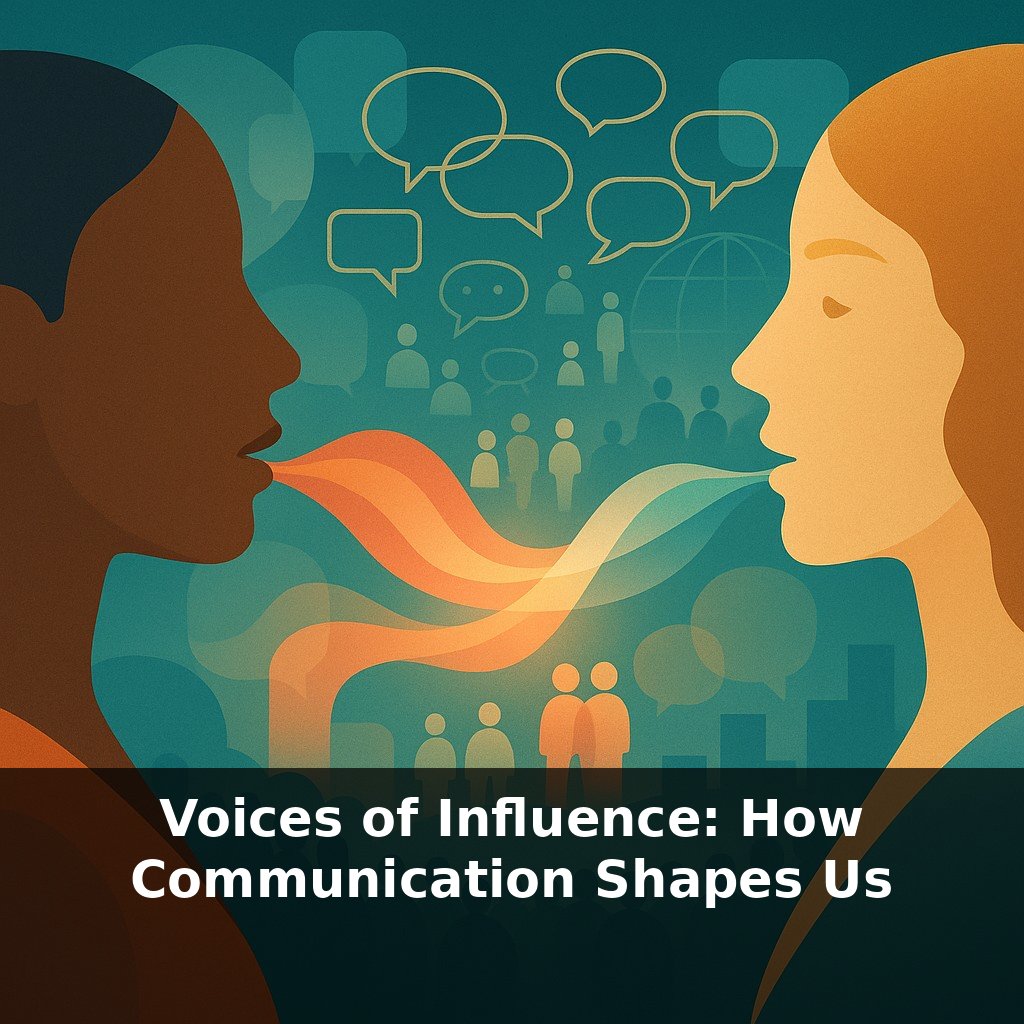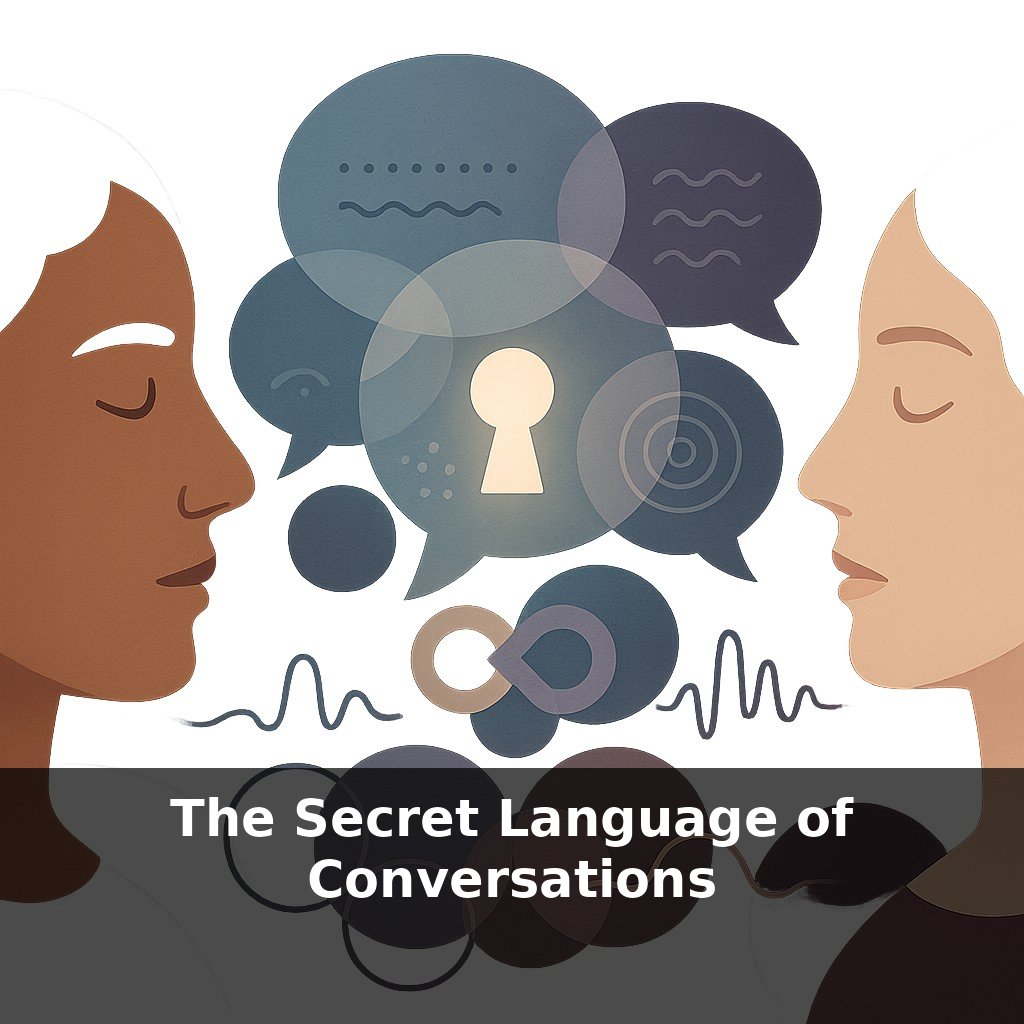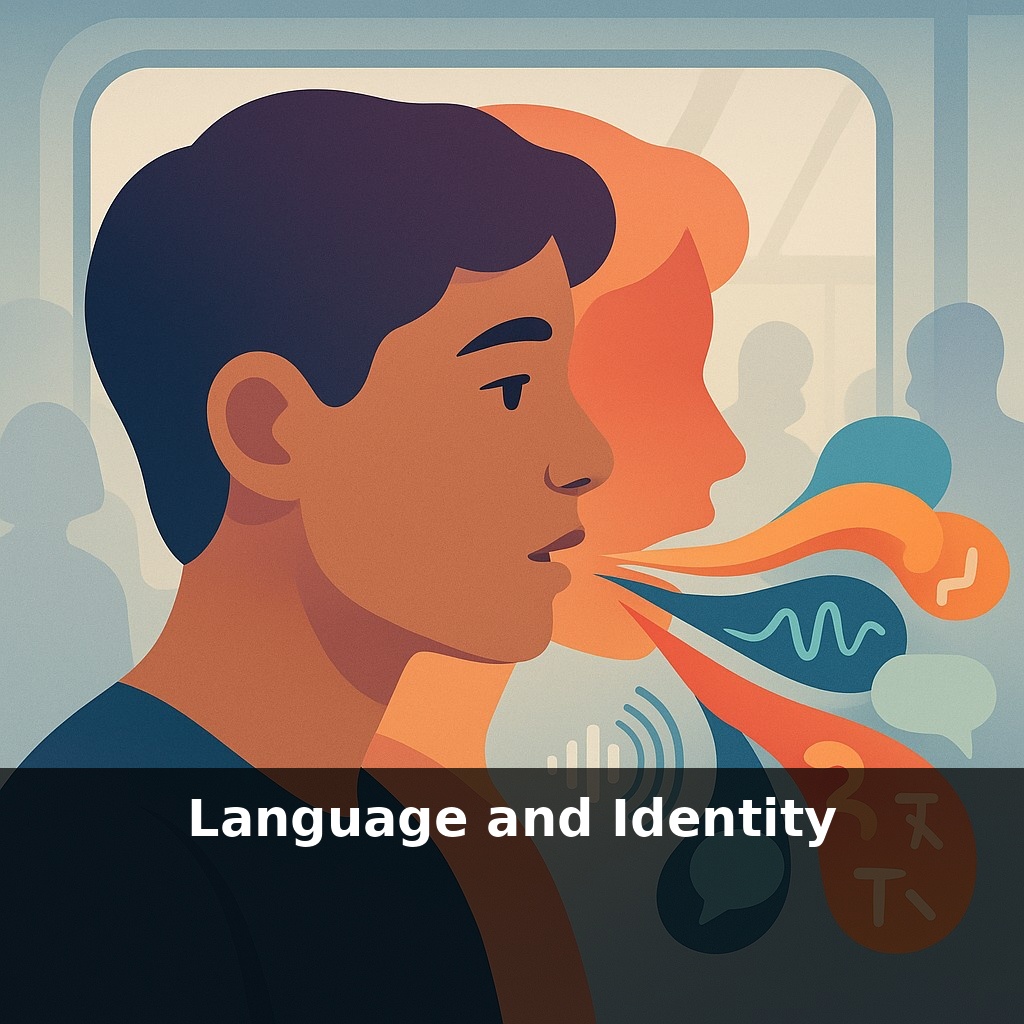
One language vanishes about every 40 days, yet most people now grow up switching between at least two voices. On a crowded train, a teen shifts from slang to formal speech in seconds. Is that real self… or performance? Today we pull apart how language quietly edits identity.
A linguist once described accents as “biographies in sound.” Listen closely on that same crowded train: a clipped consonant hints at boarding school, a rolling ‘r’ traces a migration story, a borrowed phrase reveals countless late nights online with friends halfway across the world. None of this is random. Every choice—whether you say “y’all,” “you lot,” or “you guys”—quietly draws a border around who feels like “us” and who feels like “them.”
But here’s the twist: the borders don’t just separate people; they also shape how power moves. The version of you who softens an accent in a job interview isn’t less real, but they’re responding to an invisible ranking of whose speech “counts” as intelligent, professional, or trustworthy. In the episodes ahead, we’ll trace how those rankings get built, how they can be resisted, and how reclaiming a word—or a whole language—can redraw who belongs.
Listen closely to an ordinary day and you’ll hear how language quietly reorganizes your life. You might wake up scrolling in one language, text family in another, and save a third for work, like carrying different keycards for different doors. Online, you might type in a dialect you’d never dare use in a job application, yet that same dialect might be what makes a Discord server feel like home. These shifts aren’t just about politeness; they decide who hears your “real” voice, which memories feel close, and which parts of you stay half-translated, even to yourself.
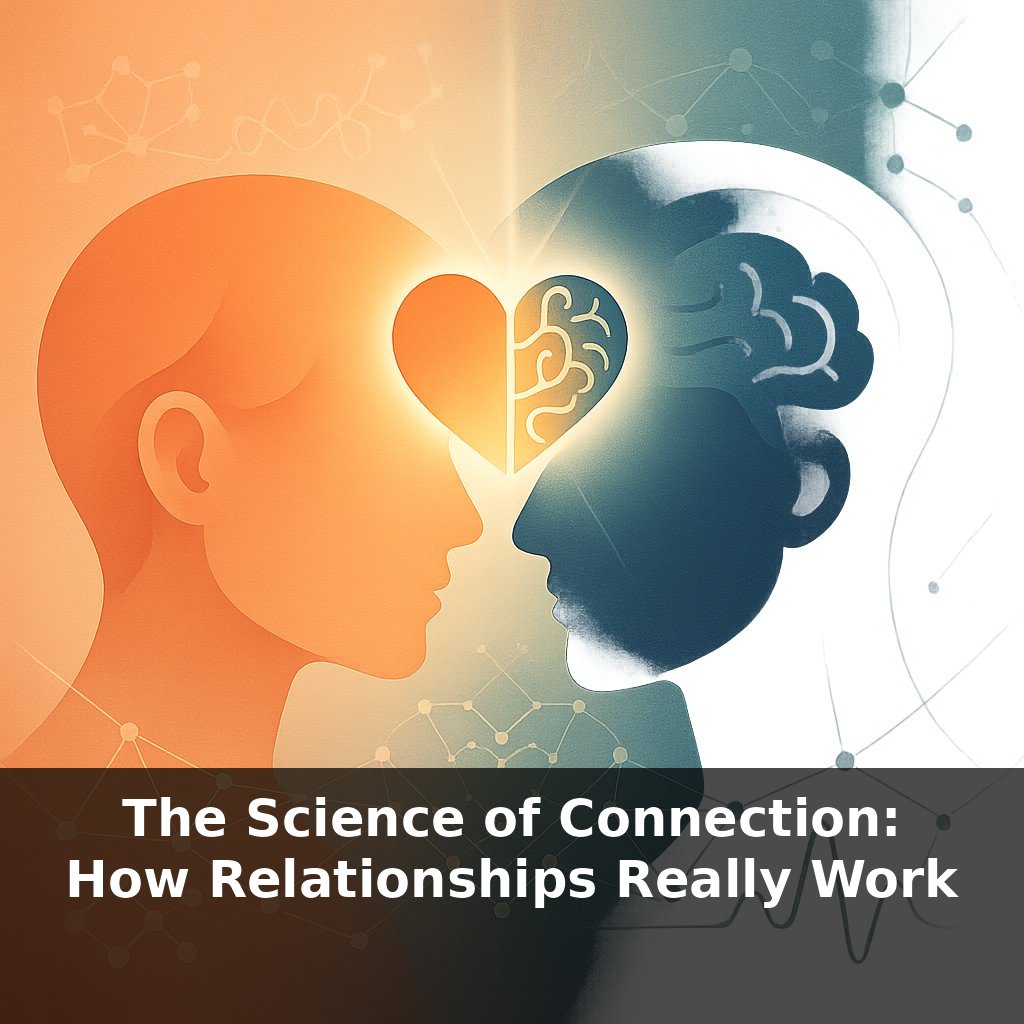
When researchers scan bilingual brains, they don’t find two tidy compartments labelled “Language A” and “Language B.” They find overlapping networks constantly negotiating which voice comes forward. That negotiation isn’t just mechanical; it’s biographical. Cognitive scientists talk about “language-dependent memory”: people recall childhood stories more vividly in the language they were first lived in, and report slightly different emotions when retelling the same event across languages. It’s not that the facts change—what shifts is the angle of the camera.
Consider how quickly that angle can move. A teenager might discuss politics in a national standard at school, then switch to a heritage tongue at home where the same topic carries different historical weight, and finally jump into a gaming server where English slang sets the rules of belonging. The opinions might stay consistent, but the courage to voice them, the jokes that land, even the taboos, can change with each linguistic doorway.
Anthropologists watching revitalization efforts see this at a community scale. When Māori immersion schools spread in Aotearoa New Zealand, they didn’t just increase fluency stats; they shifted who felt entitled to speak in public, to run meetings, to name reality in their own terms. Language policy there—and in Wales, Catalonia, Quebec—shows that official recognition can turn what was once treated as “just something we speak at home” into a visible badge of collective authority.
Yet influence also flows sideways, not just from governments. On TikTok and YouTube, young creators mix regional slang, minority languages, and global English in ways that rarely appear in formal media. Linguists studying these spaces note how jokes, memes, and subtitles become makeshift constitutions: they define which voices set the tone and which are treated as guests.
Here’s the tension running through all of this: the more languages and varieties you can move through, the more rooms you can enter—but the more you’re asked, silently, to leave parts of yourself at the door. For some, that negotiation feels like creative freedom; for others, like constant self-editing. The real question isn’t whether language shapes identity—we have the data for that. It’s who gets to decide which of your voices “counts” in the moments that matter.
A Welsh engineer might joke in English at the office, then slip into Welsh on a construction site when safety instructions really matter—because for him, urgency “sounds” clearer there. A Quechua-speaking grandmother may trust medical advice more when a community worker uses her first language, even if she technically understands the national one; care feels less abstract, more negotiated. On Zoom, a Nigerian team lead could run meetings in global English but switch to Nigerian Pidgin in the chat to defuse tension or signal solidarity with junior staff. Notice what’s happening: language isn’t just labeling identity, it’s steering trust, risk, and intimacy in real time.
Think of it like walking a forest trail: each language or variety opens a slightly different path through the same landscape of experience—one shaded and quiet, another crowded and loud, another lined with signposts you helped carve. Which path you choose, or are allowed to choose, quietly decides who can walk beside you and how far you’re willing to go.
A child today might learn lullabies from a grandparent, slang from Twitch, and formal phrases from a language app—three speech-worlds stitched together in one voice. As AI tools get better at handling this blend, institutions won’t be able to pretend there’s only one “proper” way to sound. Your future CV, medical file, even your dating profile may carry traces of multiple tongues, like layers of paint revealing not just where you’re from, but which worlds you move through with ease.
So as you listen for which voices you’re allowed to use, notice who benefits from the ones you silence. The next time you text, email, or speak, treat it like curating a playlist: which tracks are missing because they feel “too much” or “not enough” for this room? Those quiet edits are clues to where your identity is still negotiating the terms of entry.
Before next week, ask yourself: Where in my daily life (texts, emails, meetings, social media) do I switch between “home language” and “public language,” and what does each version of me gain or lose in those moments? When you catch yourself softening your accent, avoiding certain words, or translating a phrase in your head, whose approval are you unconsciously chasing—and is that still a voice you want running your life? Think of one conversation coming up this week (with a friend, coworker, or family member): how could you let a little more of your true linguistic self show up there—maybe by using a phrase from your heritage language, keeping your natural rhythm, or not apologizing for how you sound?