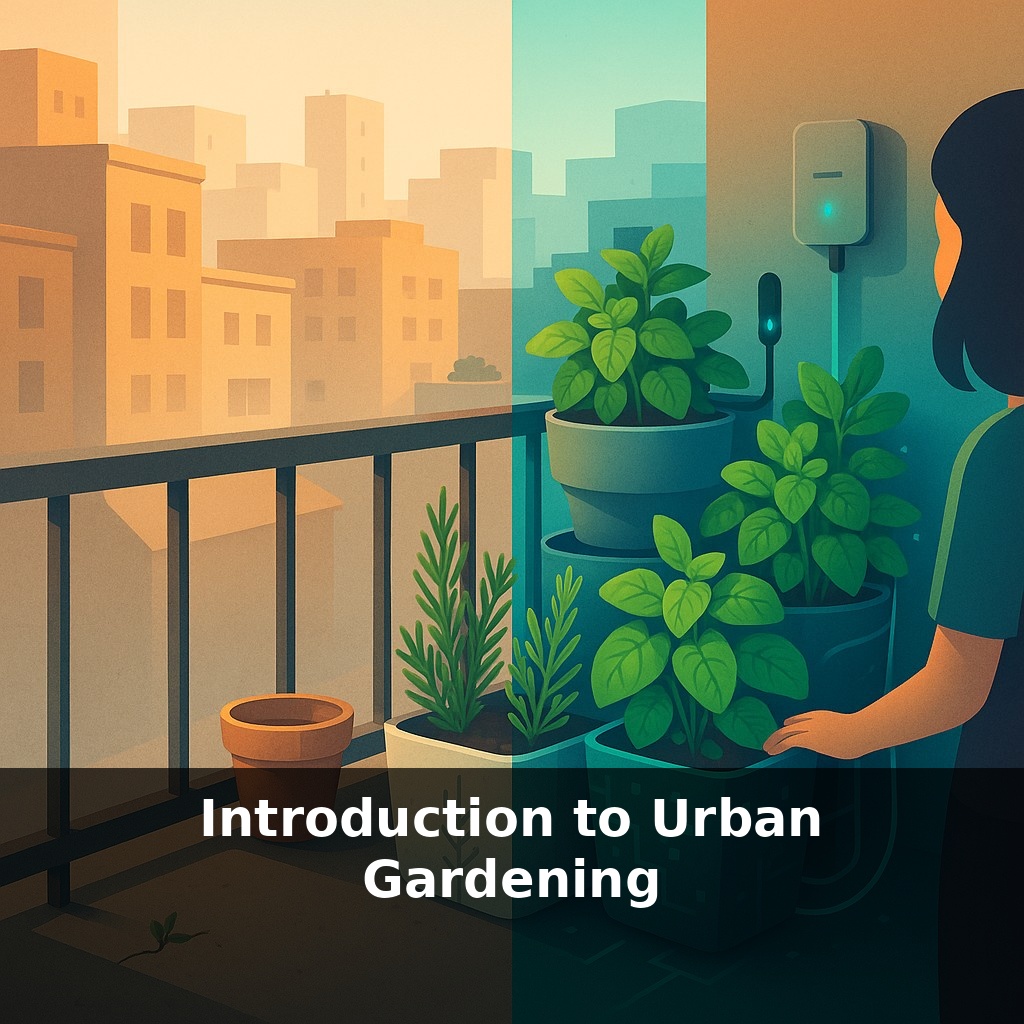
Rooftops covered in plants can cool buildings and cut summer energy use in a real, measurable way—yet most city surfaces sit bare and blazing hot. Meet Mia, who turned her cluttered balcony into a thriving herb garden, transforming her street into an unexpected green oasis.
Inspired by Mia's balcony transformation, think about the empty balcony, a shady stairwell, or a strip of gravel by a parking lot—these all look useless to most people, but to an urban gardener, they're potential harvest grounds waiting to be cultivated. zones waiting for a bit of structure and sunlight. In this episode,sode, we zoom in from the skyline to the cracks and corners of the city and ask a practical question: where, exactly, could your first container, bed, or grow bag go?
We’ll look at the hidden resources cities quietly offer: reflected light bouncing off windows, warm brick walls that stretch your growing season, railings that double as trellises, and shared courtyards where neighbors can trade herbs instead of just small talk. Think of it as scouting a playing field before the match—you’re mapping strengths and obstacles so every pot, planter, and seed has the best possible chance to thrive amid concrete and glass.
Once you’ve spotted those promising corners, the next step is to match them with plants that actually want to live there. This is where you start noticing the city’s microclimates: the windy balcony that dries pots in a day, the dim stairwell that never quite warms up, the south-facing rail that feels like a sunlamp at noon. Treat each spot like a different position on a sports team—some are built for sprinting tomatoes and peppers, others for steady, shade-tolerant greens. As you walk your block, you’re not just seeing “space” anymore; you’re scouting roles your future plants could play.
Sunlight is the real currency of your future garden, and in cities it’s unevenly distributed. Before you buy a single pot or seed, you’re going to “audit” that light. Pick your most promising surface—a balcony rail, a flat roof corner, a wide windowsill—and track how long direct sun hits it on a clear day. Don’t guess; check at breakfast, midday, late afternoon. Under 3 hours? Plan it for leafy herbs and salad greens. Around 4–5 hours? Great for compact peppers, bush beans, strawberries. A solid 6+ hours? That’s prime real estate for tomatoes and fruiting crops.
Next, layer in wind and heat. High floors and corridor-like alleys can behave like wind tunnels that desiccate pots fast. In those spots, plan heavier containers, densely planted soil surfaces, and windbreaks (mesh, railing screens, or even a row of tall herbs shielding shorter ones). Close to dark walls or vents you’ll find “hot pockets” that can carry heat-loving plants deeper into spring and autumn, but may cook tender seedlings in midsummer unless you add shade cloth or tuck pots slightly away from the wall.
Water access is the quiet deal-breaker. Any site that forces you to carry sloshing watering cans up multiple flights will get neglected on the hottest days. Prioritize locations within hose reach, near a tap, or where a small, lidded water barrel can live. If you only have indoor access, window boxes and planters on rolling trays suddenly outrank heavy, immovable tubs outside.
Then there’s weight and structure. Roofs, fire escapes, and balconies each have limits. Use lighter materials—fabric grow bags, plastic or resin planters, soil-less mixes—on questionable structures, and cluster the heaviest containers close to supporting walls or beams. When in doubt, spread weight out, not in a single heavy line.
Finally, think access and theft. A brilliant sunny strip along a busy sidewalk might be perfect for hardy herbs or flowers, while your precious tomatoes stay where only you (and maybe your upstairs neighbor) can reach them easily and safely. Your goal isn’t perfection; it’s a handful of spots you can actually water, watch, and harvest from without dreading the trip.
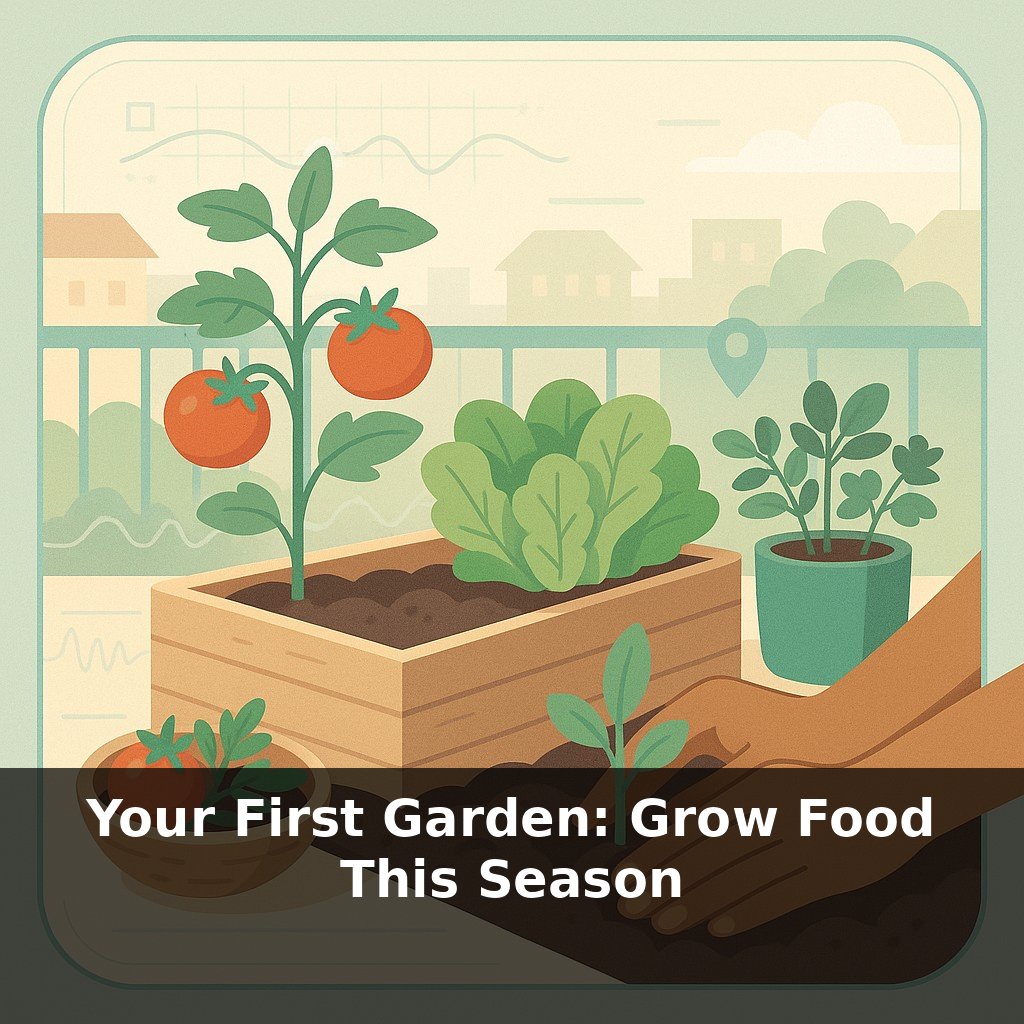
A narrow windowsill might only fit three small pots—but if each holds a different fast-growing crop, that strip can quietly turn out regular harvests. Try a pot of cut-and-come-again lettuce, a compact basil, and a pot of radishes you reseed every few weeks. One starts flagging? Swap it for chives oAs we reflect on Mia's inspiring balcony garden, consider a fire escape or stair landing that might host a single long box: plant the sunniest half with thyme and oregano that shrug off missed waterings, and the shadier end with mint contained in its own pot, slipped inside the box so it can’t take over.
If you have only a bright indoor spot, treat it like a test lab. A simple shelf under a south-facing window with a cheap LED strip can run trials: which dwarf tomato really stays compact, which salad mix regrows fastest after cutting. Over a season, these “mini experiments” teach you how hard your specific spaces can be pushed and which crops reward the effort most reliably.
Fifteen years from now, you might “download” a garden layout the way you grab a playlist: sensors reading your balcony’s quirks, software arranging crops like a coach placing players on a field. Neighbors could sync seed choices to stagger harvests—one grows extra chilies, another focuses on leafy greens, then you trade. As more cities reward home growers with tax breaks or water credits, those scattered pockets of green begin acting like a quiet, local food network.
As you piece these spots together, you’re sketching a living map of your city life: morning tea beside a pot of mint, a cherry tomato you grab like a quick text reply, a salad clipped between meetings. Your challenge this week: claim one overlooked ledge, step, or corner and give it a first planter—then watch how the space, and your habits, start to shift.