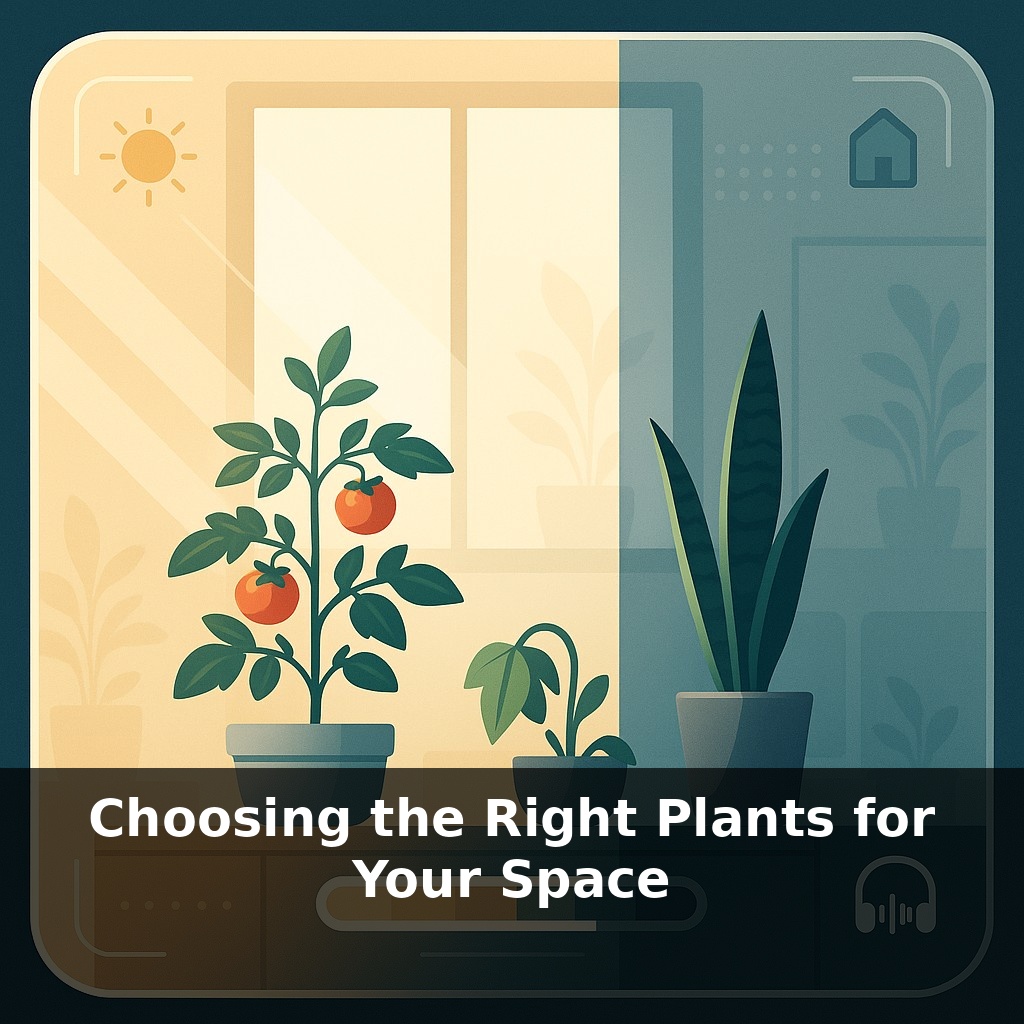
Most dying houseplants aren’t “hard plants” at all—they’re simply in the wrong room. A sun-lover stranded in a dim hallway. A shade plant baking in a bright window. Today, we’ll step into your space and ask a daring question: which plants would actually choose *you*?
A tomato plant wants nearly ten times more daily light than a snake plant. That gap alone explains why two pots on the same windowsill can live completely different lives—one thriving, one sulking. So instead of asking, “What’s an easy plant?” we’re going to ask, “What fits the exact conditions I already have?”
Today we’ll zoom out from individual pots and look at your whole growing “map”: chilly corners vs. warm ones, dry radiators vs. humid kitchens, blazing patios vs. calm porches. Then we’ll link those micro‑zones to specific plant types, from hardy outdoor perennials to compact fruit trees that quietly crank out pounds of food in a few square feet.
By the end, you won’t be guessing in the garden center. You’ll be shopping with a shortlist that your space itself has written.
Think of this step as drafting a guest list, not just decorating with green. Your space has rules: minimum winter temperatures, how long water lingers in pots or beds, and whether your soil is more brick, beach, or fluffy cake. Outdoors, your USDA zone quietly decides which perennials can sleep through your coldest nights; indoors, heaters, AC vents, and steamy showers create hidden “climate pockets.” We’ll match these background conditions with plants that actually *need* them—whether that’s drought‑tough characters for stingy waterers or compact producers where every square foot must earn its keep.
Light is still the boss, so start there—but now let’s get more precise than “bright” or “dim.” Outdoors, note which spots get at least 6 hours of direct sun in midsummer. Those are where you’ll park true sun-hungry crops and flowering machines. Areas that only see morning or late‑day rays are better for greens and herbs that resent harsh noon glare. Indoors, watch where the sunbeam actually travels. A south window may be blinding on the sill yet already “medium light” just one meter back.
Next layer: water behavior. Two containers on the same patio can dry at totally different speeds depending on size, material, and what’s underneath. Terracotta and fabric pots sip moisture away quickly; plastic hangs on longer. Raised beds and sandy soils behave like colanders; clay is a sponge that refuses to let go. Xeriscape‑style planting shines where runoff is fast and irrigation is limited: group the true camels together and don’t mix them with lettuce‑level drinkers.
Temperature is your quiet limiter, especially at the edges of your space. A south‑facing brick wall creates a little heat sink that can host Mediterranean herbs or borderline‑tender perennials; ten steps away in an exposed low spot, frost will linger. Indoors, that pretty window shelf might swing from chilly at night to hot at noon. Reserve your most stable spots—away from exterior doors and vents—for plants that hate drama.
Soil and containers decide who can put down roots, literally. In beds, a quick squeeze test tells you a lot: does moist soil form a slick ribbon (more clay), a crumbly rope (loam), or fall apart like coffee grounds (sand)? Instead of fighting it with endless amendments, lean into what it naturally favors: deep‑rooted shrubs and trees where it holds moisture, tough herbs and natives where it drains fast. In pots, choose depth to match the plant’s style: shallow, wide homes for strawberries and thyme; deeper “towers” for tomatoes, peppers, and dwarf fruit trees that need room for anchoring roots.
The art is to stack these layers: high‑light + warm + fast‑draining suggests one palette; cooler + sheltered + moisture‑holding suggests another. Your space is quietly telling you its short list, and your job is to listen closely enough to hear specific plant names starting to appear.
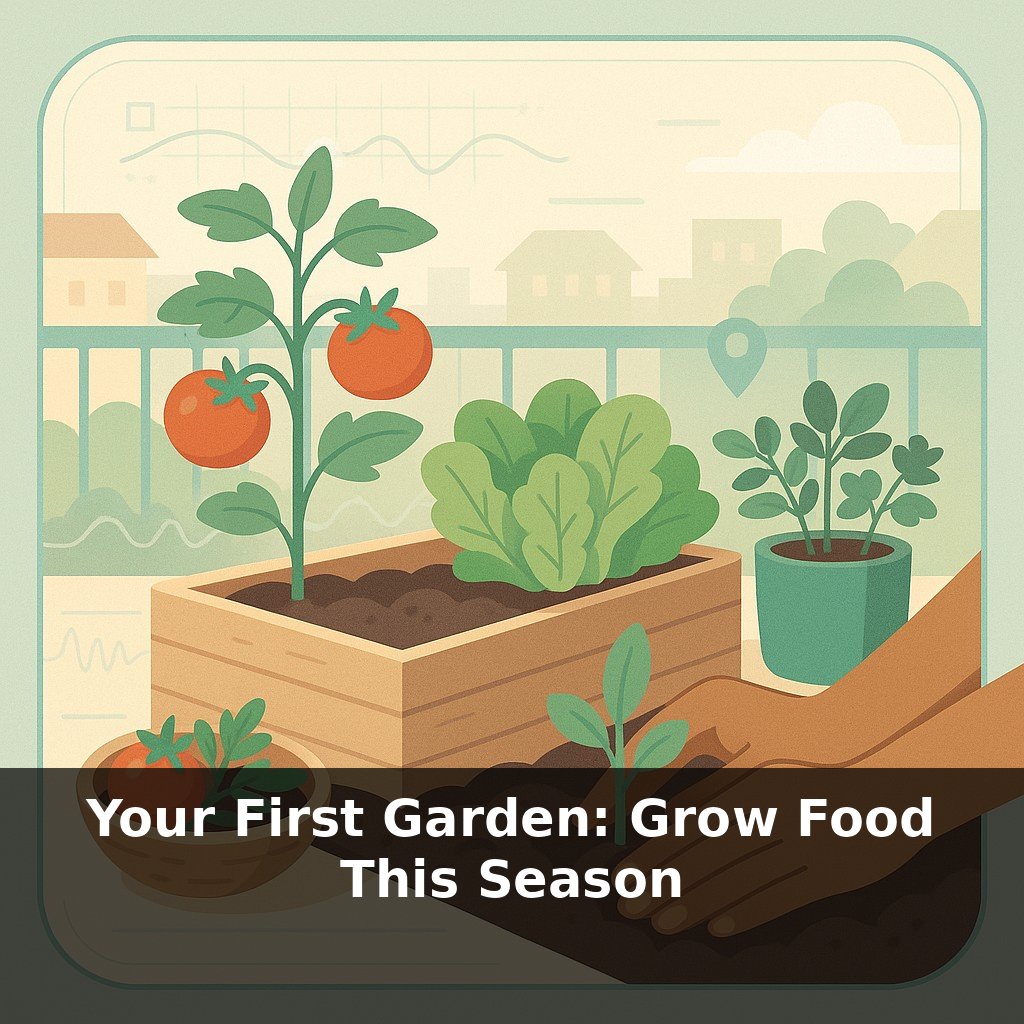
That stacked “short list” really comes alive when you test it with contrasts. Take two balcony growers on the same street. One has a high, windy corner that heats up by mid‑day and sheds rain quickly through narrow railing boxes. Their best matches: low, tough herbs that hug the soil—rosemary, thyme, oregano—plus dwarf peppers that enjoy the extra warmth. Three floors below, a recessed balcony stays cooler, with calmer air and slower‑drying containers. That grower can lean into leafy bowls of chard and pak choi, or trailing strawberries that dislike baked roots.
Out in a small yard, someone might pair a heat‑reflecting patio edge with a dwarf peach, then reserve the slightly shadier, more protected strip near a fence for blueberries in large pots where soil acidity is easier to control. Indoors, the same logic shifts you from “plant per window” to “plant per distance”: bright orchids up close, pothos mid‑range, and tougher foliage further back where the light thins but temperatures stay steady.
Sensors and simple logs will soon feel as normal as trowels. As cheap meters track how your balcony, stoop, or rooftop actually behaves, plant lists will shift from “Zone 7 suggestions” to hyper-local recipes—this corner, this railing, this wall. Apps may nudge you toward natives that feed nearby pollinators, or cultivars tuned to your building’s heat and wind profile, so each pot becomes less guesswork and more like a small, data-informed habitat experiment.
Now, as you match real plants to those notes, pay attention to how they respond—new leaves, slower growth, scorched tips. Treat each change like a nudge on a mixing board, not a failure. Over time, your space becomes less a fixed backdrop and more a collaborator, quietly suggesting bolder choices, like testing a new species instead of repeating the same safe ones.
Before next week, ask yourself: Where in my home do plants actually fit my real life—sunny kitchen sill for herbs, low-light bedroom corner for a snake plant, or a bright bathroom for ferns—and how do I use those spaces during the day? Looking at the light and temperature in just one room, which 2–3 specific plants from the episode (like pothos, ZZ plant, or peace lily) would realistically thrive there given how often I’m truly willing to water and care for them? When I imagine living with those exact plants in that exact spot, what excites me (more green, better air, a cozier reading nook) and what feels like a hassle I’m not actually willing to deal with (repotting, dropping leaves, pets nibbling), and how does that change my plant choices right now?