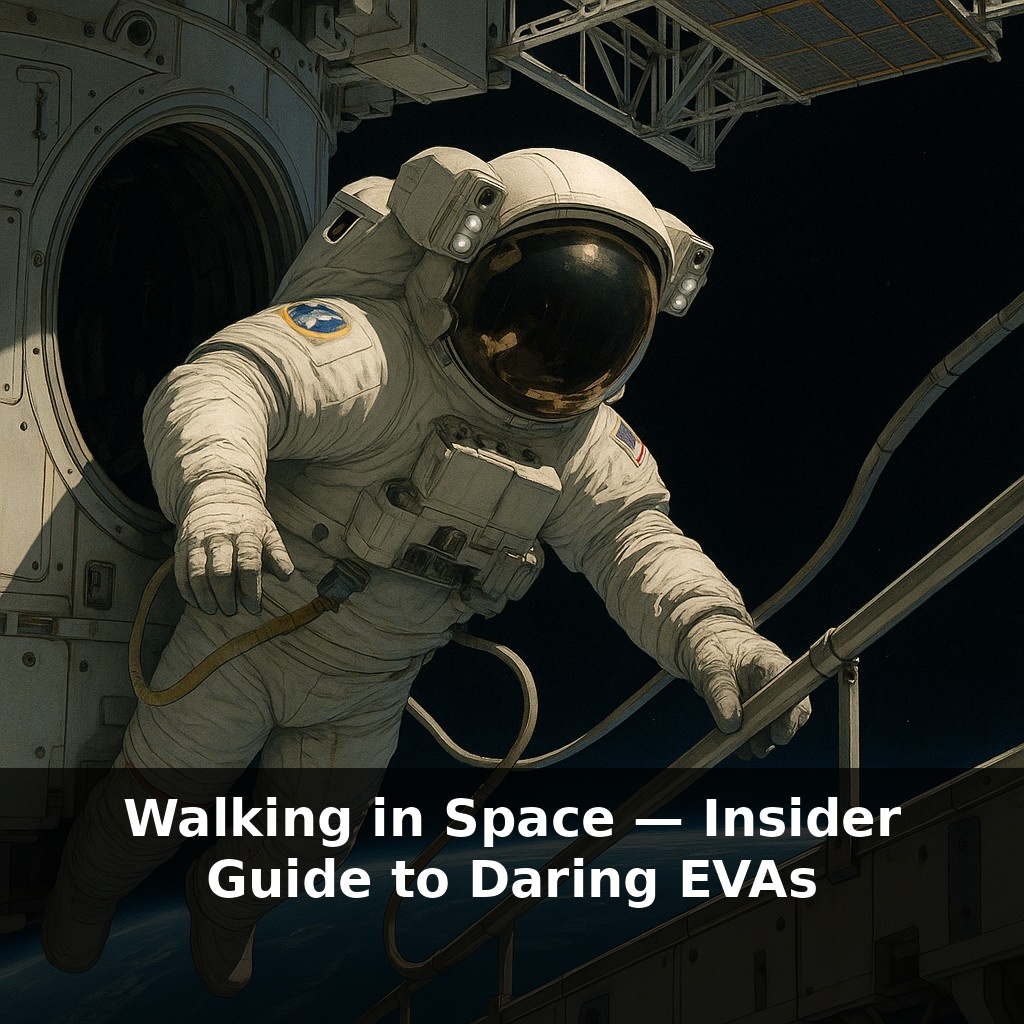
Out there, a thin white glove can stop a micrometeoroid but lose a fingertip nail. One wrong wrist twist, and an astronaut’s lifeline tangles around a solar array. In this episode, we step through the hatch into the quiet, lethal beauty of a real spacewalk.
On Earth, a tough workday might mean heavy tools and awkward ladders. Outside the Station, “tools” can be suitcase-sized boxes that must be guided into place while your whole body wants to spin like a weather vane in a gust. Your grip strength matters, but so does knowing how to brace a boot into a tiny foot restraint, twist your torso just enough, and not tear the fragile fingertips of your gloves while you work.
Every move is pre‑choreographed on the ground, but the script can change the moment a bolt seizes or a connector refuses to click. That’s when hours in NASA’s neutral buoyancy pool pay off: astronauts learn to think in slow motion, visualizing how a push here will send them drifting there. In this episode, we’ll track one EVA from suit-up to repress, and see how crews keep their heads clear while the only thing between them and open space is a few layers of fabric and faith in the checklist.
Inside the airlock, the shift from “indoors” to “outside” starts long before the hatch opens. The Station is still at shirt‑sleeve pressure while the suit waits at a much lower setting; the crew has to bridge that gap without getting “the bends,” just like a diver ascending too fast. That’s why the hours before an EVA are full of mask breathing and light exercise, flushing nitrogen from the body. Around them, tools are laid out with the precision of an operating room, each tethered, tagged, and routed so nothing floats away once the room itself becomes space.
The first hint that “inside” is about to become “outside” is sound—specifically, the loss of it. As the pressure drops, the familiar hum of fans and pumps changes character, then thins out. Conversation is still clear, but it’s now carried almost entirely through suit radios and vibrations in metal. Outside the hatch: pure silence. Inside the suit: a constant, private weather system of whirring pumps, airflow, and the faint hiss of your own breathing.
When the outer hatch finally swings open, the Station stops feeling like a room and starts feeling like a cliff edge. Your visor frames a slice of Earth sliding by at 7.7 kilometers per second, but your body feels…nothing. No wind, no sense of speed—only the knowledge that if the tethers fail, you and the Station will keep orbiting together, just not in the same place.
Those tethers are more than symbolic. Each astronaut typically clips in with a pair of safety lines, plus tool tethers that form a glittering spiderweb around handrails. Every time you move, you manage this web deliberately: one tether moved at a time, never both unclipped, carabiners oriented so they can’t snag or pop open against a surface. The choreography is so ingrained that people on the ground can often tell who’s outside just by watching how those silver lines flick and settle on camera.
Moving across the Station is less like climbing a ladder and more like navigating a jungle gym in slow time. You use your hands as primary “feet,” hooking fingers around handrails, planning where your next anchor point will be before releasing the last. Forgetting to think a step ahead risks an unplanned spin, corrected by tiny, gentle pushes on the nearest solid structure.
Worksites add their own challenges. A stuck connector might be shaded to liquid‑nitrogen cold while the hand next to it bakes in sunlight, so crews alternate tasks to avoid overheating or chilling the suit’s systems. Tool usage is rationed mentally too: squeeze‑heavy jobs early, when forearms are fresh; fine‑motor tasks before fingertips lose sensitivity from hours of pressure.
All the while, there’s a quiet, shared awareness of the clock. Consumables tick down: oxygen, battery, CO₂ capacity. Ground teams weigh each new problem against that invisible fuel gauge, sometimes waving off “nice‑to‑have” tasks so the essentials make it to the finish line and the hatch.
Astronauts talk about outside work the way climbers describe a long alpine route: never truly “routine,” just familiar enough that you can notice its subtleties. On one outing, a crewmember realized his planned hand path would force him to wrestle a cable with his weaker arm for twenty straight minutes. Mid‑translation, he quietly flipped the sequence—no drama, just an on‑the‑fly rewrite of hours of training to spare his stamina for a tricky connector later on.
Inside the suit, you manage your own little ecosystem. Visors carry anti‑fog coatings; drink bags sit just below your chin, so taking a sip is a deliberate head‑butt; a food bar tucked near the chest is insurance against flagging focus in hour five. Fingertip heaters and cooling garments turn comfort into another adjustable “tool,” dialed by ground teams who watch your metabolic load through sensors and plan breaks around orbital night and day. Meanwhile, cameras on your helmet feed every move to specialists who can spot a drifting washer before you even register that something slipped.
Future walks will feel less like quick repairs and more like long hikes across an alien coastline. Lunar sorties must dodge razor‑edged dust and temperature swings fierce enough to crack metal. Mars demands suits that recycle almost everything, turning sweat and breath into resources instead of waste. As private stations appear, regulators face a new puzzle: how do you license a bucket‑list “edge of forever” stroll without treating it like a casual theme‑park ride?
Back inside, the suits hang like raincoats after a storm, but the work they enabled lingers: swapped batteries reshape power budgets; new instruments will log data for years. Your challenge this week: practice “spacewalk thinking” by planning any tricky task as a series of anchor points—places to pause, check status, and adjust before committing to the next move.