Most people trust their to‑do list less than they trust the weather forecast, yet they still plan their whole week on it. You sit down Monday morning, open your tasks, and feel that quiet doubt: “Is any of this actually the right work?” That tiny doubt is the real productivity killer.
The odd thing is, most careers don’t stall because people are lazy; they stall because smart people slowly lose track of what they’ve actually committed to. You say yes in meetings, yes in email, yes in chat, and by Friday your brain is carrying a foggy, half-remembered inventory of promises. That fog is what makes your system feel shaky, even if you’re capturing tasks diligently.
What keeps a system alive isn’t how fast you add new tasks—it’s how consistently you step back and make sense of them. This is where the weekly review comes in. Not as a feel‑good ritual, but as a scheduled reality check where you surface all those hidden “yeses,” clear out the dead weight, and reconnect what you’re doing today with where you actually want to be in a year.
Here’s the uncomfortable part: the moments you most need a weekly review are exactly when you’ll feel least able to “afford” it. Deadlines stack up, your calendar is full, and 60 minutes of zooming out feels like a luxury. But this is where the data cuts through the story your stress is telling you. In studies, people who protected that small window each week saw stress drop measurably in just over a month—not because they worked more, but because their brain stopped re-playing open loops like a stuck song. The review becomes less about being organized and more about buying back mental bandwidth.
A 45–90 minute block sounds oddly precise until you see what actually fits inside it. You’re not just “looking over your week”; you’re cycling through a set of moves that, together, keep your system from drifting out of sync with reality.
Practically, that block breaks down into three distinct modes: cleanup, review, and renegotiation.
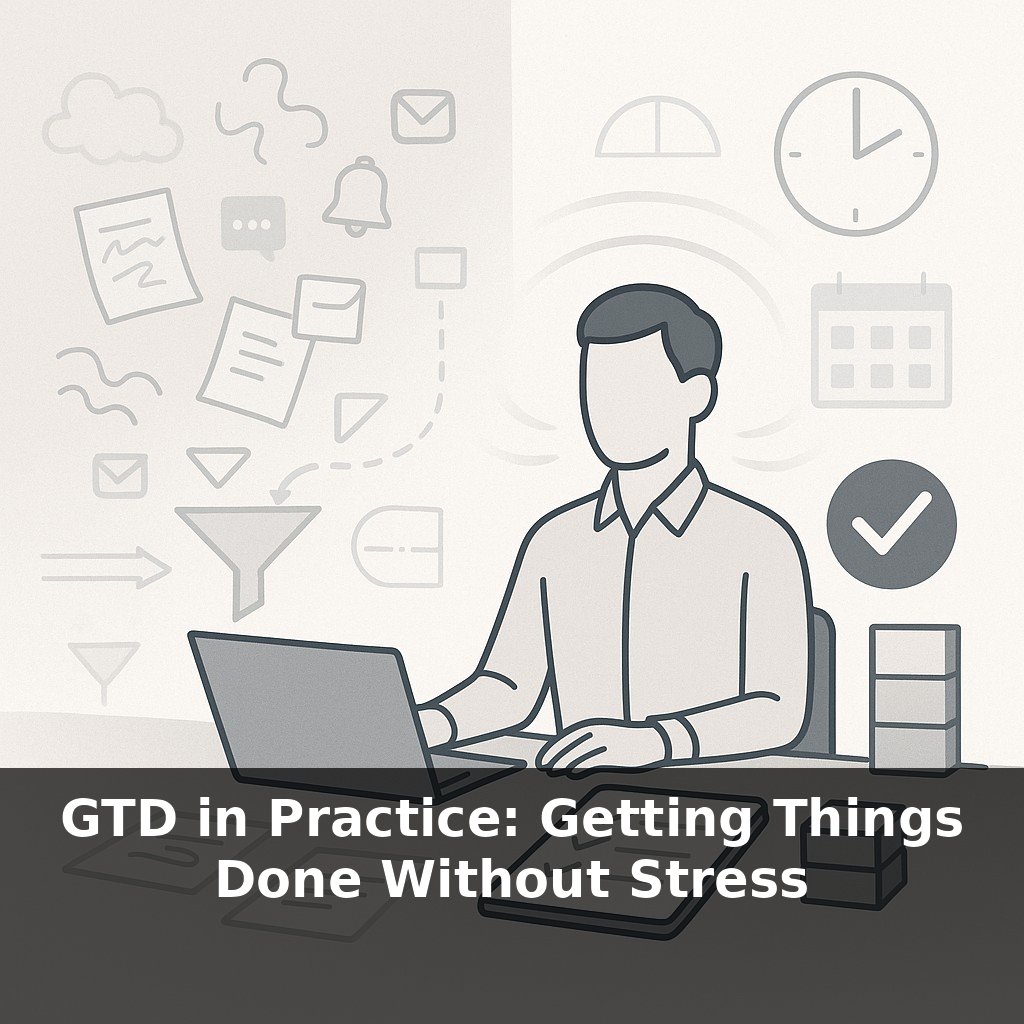
Cleanup is the boring‑but‑crucial part most people skip. You empty physical notes from meetings, scribbles from 1:1s, screenshots you saved “just for now,” and the half‑typed drafts sitting in your email or chat. Each one gets a decision: delete, archive, or turn into a clearly phrased next action or project. This is where a lot of the invisible static lives—fragments that are too small to notice day‑to‑day, but numerous enough to erode your trust.
Review is where you scan your existing landscape. Not to admire it, but to spot contradictions. You look at current projects and ask, “Is this actually still active?” You mark stalled initiatives, resurrect ones that matter, and deliberately close the ones that no longer earn their place. Context lists stop being theoretical categories and become filters: “Given where I’ll physically be this week—office, home, travel—does this set of next actions still make sense?”
Renegotiation is the part digital tools can’t do for you. You compare your projects and calendar to your actual capacity and start having quiet but firm conversations—with yourself and, when necessary, with others. “If I commit to this new stakeholder request, which existing project gets delayed?” This is where career protection happens: you surface conflicts early instead of discovering them in a crisis meeting three weeks later.
Used this way, the review is closer to regularly rebalancing an investment portfolio than to “organizing your desk.” You’re actively deciding where your limited attention will compound and where you’re willing to divest, based on current conditions, not last month’s optimism.
Over time, a curious shift happens. That weekly block stops feeling like overhead and starts feeling like the one meeting where you’re fully in charge. No performance theater, no status slides—just you, your commitments, and the chance to reshuffle them before they reshuffle you.
A useful way to think about this is to zoom in on what “good” looks like in the wild. A staff engineer at a fintech I worked with blocked Friday 3–4 p.m. as “lab time.” Guarded on her calendar, it wasn’t for deep work; it was for poking holes in her own plans. She’d pull up her roadmap, team board, and personal list side by side and hunt for mismatches: initiatives with no owner, owners with no time, and dependencies no one had named out loud. Over six months, she became the person who spotted collisions before they hit—without working longer hours.
You can do a lighter version. A product manager might add one question to their end-of-week agenda: “Which promises this week would surprise my future self if they resurfaced in three months?” Anything that makes the list gets a real project, a calendar slot, or a deliberate “no.” A designer might simply scroll last week’s sent mail and meeting notes, tagging anything that still tugs at their attention. The point isn’t perfection; it’s building a small, repeatable habit of catching quiet commitments while they’re still easy to move.
As work gets more automated, the real leverage shifts from doing more to deciding better. AI will happily flood you with “smart” suggestions, but it won’t know your actual tradeoffs: which VP you can push back on, which side project is your reputation play, which dull task quietly protects your freedom. Think of this as running a small R&D lab on your own career: once a week, you’re not just maintaining lists—you’re testing bets, pruning dead ends, and seeding options your future self can exploit.
Treat those 45–90 minutes as lab time for your future self: a standing date where you notice weak signals—shifting priorities, new allies, hidden risks—before they harden into constraints. Your challenge this week: schedule one block, defend it like a key client meeting, and afterward jot one surprising thing you learned about how your work really flows.