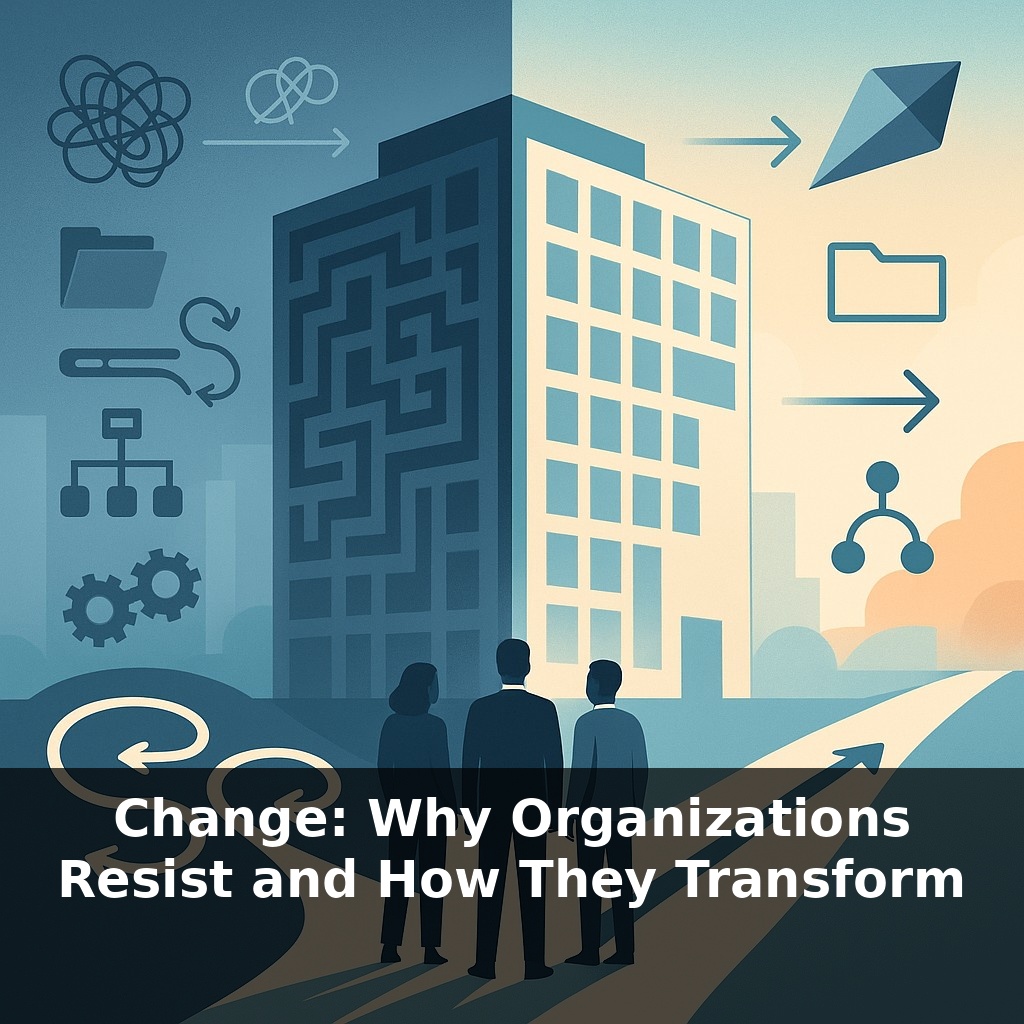
About seven out of ten corporate “transformations” quietly fizzle out—yet leaders keep announcing new ones every year. In one company, staff literally started a “survival kit” for the next reorg. Why do smart organizations keep resisting the very changes they say they need?
Seventy percent of big change efforts flop, yet most people inside those same companies can point to clear, obvious things that *need* to change. That gap between “we know” and “we actually do” is where this episode lives. Underneath the slide decks and town halls, there’s a quieter story: people trying to stay safe, systems trying to stay stable, and incentives quietly nudging everyone back to business as usual. It’s not that organizations are irrational; they’re *over-optimized* for yesterday’s success. When a new strategy arrives, it collides with old habits, career fears, and structures built for a different game. We’ll look at what the research says about why this clash is so predictable, what’s actually different in companies that adapt well, and how specific leaders have turned “change theater” into real, compounding transformation.
Change also feels different depending on *where* you sit. For senior leaders, it’s a strategy bet; for a frontline manager, it’s tonight’s workload and next year’s promotion risk. That’s why the same initiative can look visionary in the boardroom and terrifying by the time it hits a team stand‑up. Neuroscience helps explain this: uncertainty and loss of control push our brains into threat mode, narrowing attention and shortening time horizons. Meanwhile, organizational systems quietly favor whatever kept things predictable. To work with, not against, this reality, we need to zoom in from “the organization” to specific people, roles, and routines.
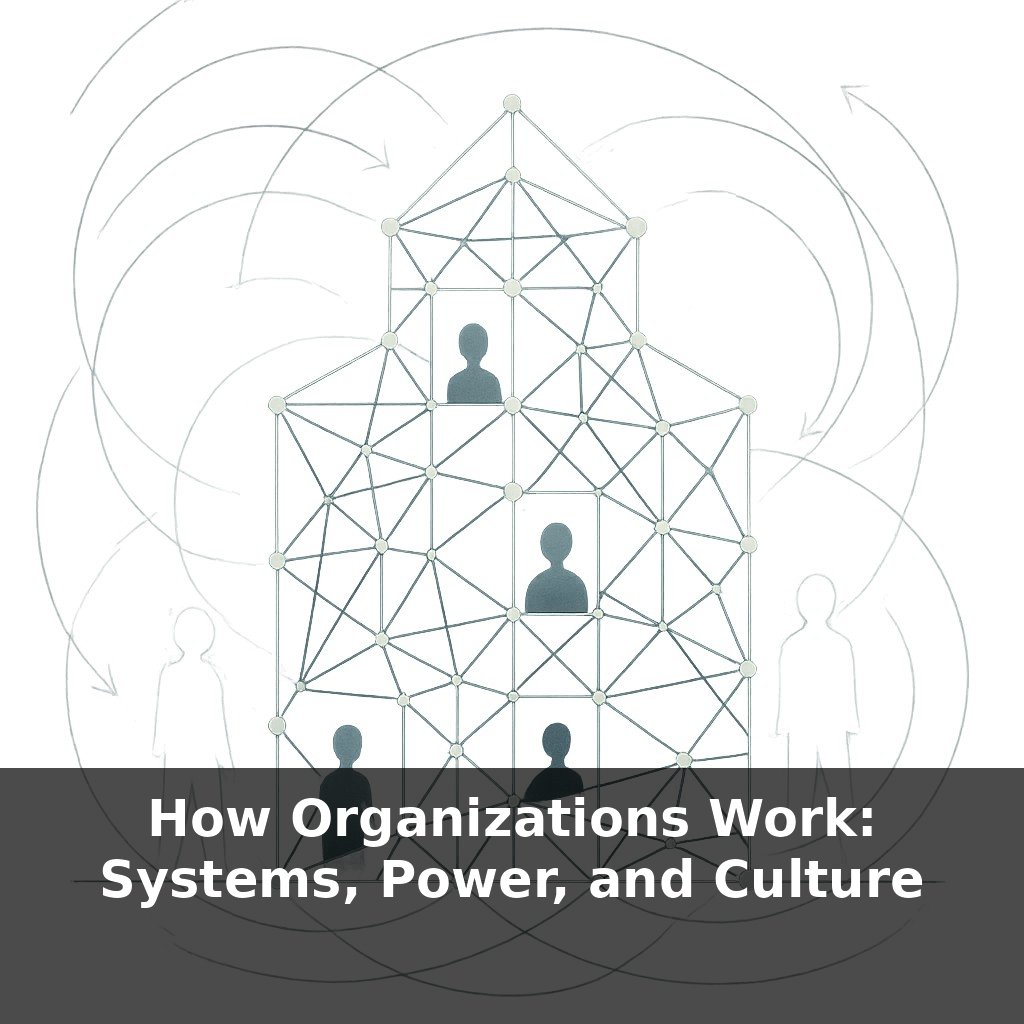
Start with the least glamorous part: the org chart. Those lines and boxes don’t just describe work; they freeze old bets into hard wiring. Roles, approval chains, budget codes, legacy KPIs—together they create *structural inertia*. A manager whose bonus depends on quarterly efficiency will quietly kill any experiment that risks a bad month, no matter how much the CEO praises innovation on stage.
Misaligned incentives turn “resistance” into something that actually looks rational. If a new CRM makes reporting transparent but performance ratings still reward hitting this quarter’s numbers at all costs, sales reps will find ways around the system. They aren’t anti‑change; they’re reading the scoreboard correctly. That’s why Prosci’s finding—that high change‑readiness firms outperform by 3.5×—isn’t magic. It usually means they’ve aligned scorecards, careers, and processes so that adapting is the *safest* move, not the riskiest.
Look at Satya Nadella at Microsoft. He didn’t just give speeches about growth mindset; he rewired promotions, talent reviews, and product planning to reward learning and collaboration across silos. Teams that admitted failure early and shared code got ahead. The culture story was real, but it was backed by concrete shifts in who got resources, visibility, and power. That combination let new behaviors take root fast enough to change the company’s trajectory—and its market cap.
Lego’s turnaround tells a similar story from another angle. Leadership didn’t run a single “innovation program”; they created cross‑functional teams with autonomy over product, design, and go‑to‑market, then protected them from standard budgeting rules. Profit returned when those teams could iterate quickly, drop dead‑end ideas without stigma, and see a direct link between their experiments and business results.
Here’s the pattern underneath: successful transformations behave less like one‑off projects and more like portfolios. Leaders place many small bets, retire the ones that don’t pay off, and scale what works—while constantly tuning incentives so that honest data, not internal politics, decides what survives.
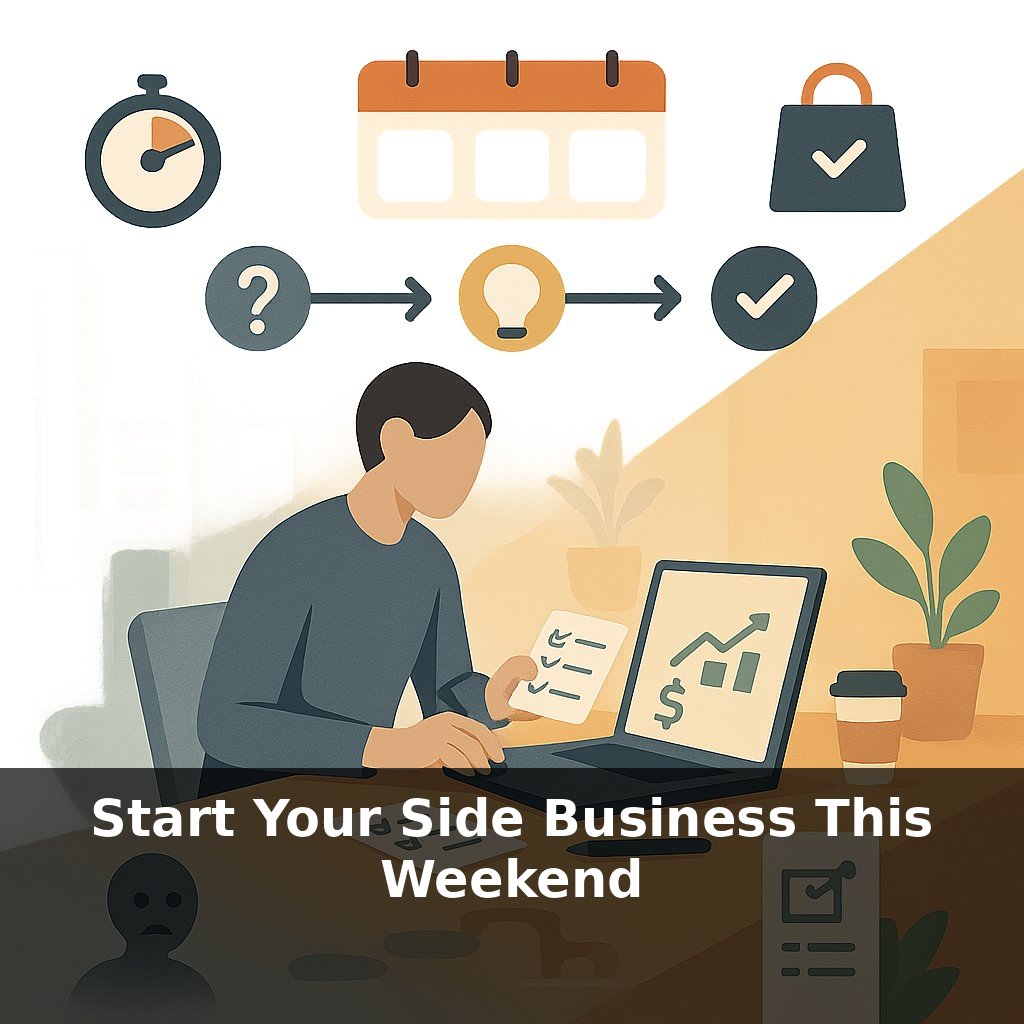
A product team at a fast‑growing startup hit a wall: every new idea died in meetings. Instead of launching a grand “innovation program,” the VP ran a three‑month “release experiment.” For one quarter, teams could ship tiny features without the usual approvals—as long as they agreed on two things up front: a clear success metric and a kill date if results weren’t promising. Suddenly, experiments moved from PowerPoint to production. Some flopped fast; a few small wins quietly changed how the roadmap was shaped. The real shift wasn’t louder slogans—it was proof that trying something new no longer carried hidden career penalties.
Think of it like refactoring an old software system: you don’t rewrite everything overnight; you carve out one service, clean that up, and let the new pattern spread. In organizations, those “carved‑out services” are pilot teams, revised scorecards, and decision rules that make it safer to test a different way of working—and to walk away when it doesn’t pan out.
70% of big shifts still miss the mark, yet the ground under them is changing fast. AI can already scan internal chats to spot worries leaders never hear, the way a smoke detector catches hints of fire. Next step: “org twins” that let you trial a policy like you’d A/B‑test a website, plus rising pressure to prove not just profit but impact. Careers will favor those who treat change less as a project to survive and more as an everyday skill—curiosity, sense‑making, and candid feedback as standard tools.
Real transformation is less “burning platform,” more learning lab. The organizations that grow through disruption treat every new tool, market shift, or policy as a prototype: test it small, invite critique, adjust fast. Like updating navigation while sailing, they keep course and crew aligned by asking often: What did we learn, and what will we try differently next?
Try this experiment: Pick one change your organization is resisting right now (for example, rolling out that new workflow tool everyone grumbles about) and run a 7‑day “resistance diary” with your team. Each day, ask three people from different levels to tell you one concrete thing they’re afraid might be lost if the change succeeds (status, control, competence, relationships, etc.), and log their exact words on a shared board. At the end of the week, circle the three most common fears and design one tiny safeguard for each (e.g., a visible recognition ritual, a decision-making forum, or a skill‑building session), then announce and test those safeguards for the next week. Observe whether opposition shifts from “No, never” to “Maybe, if…” and note exactly what changed in tone or behavior.