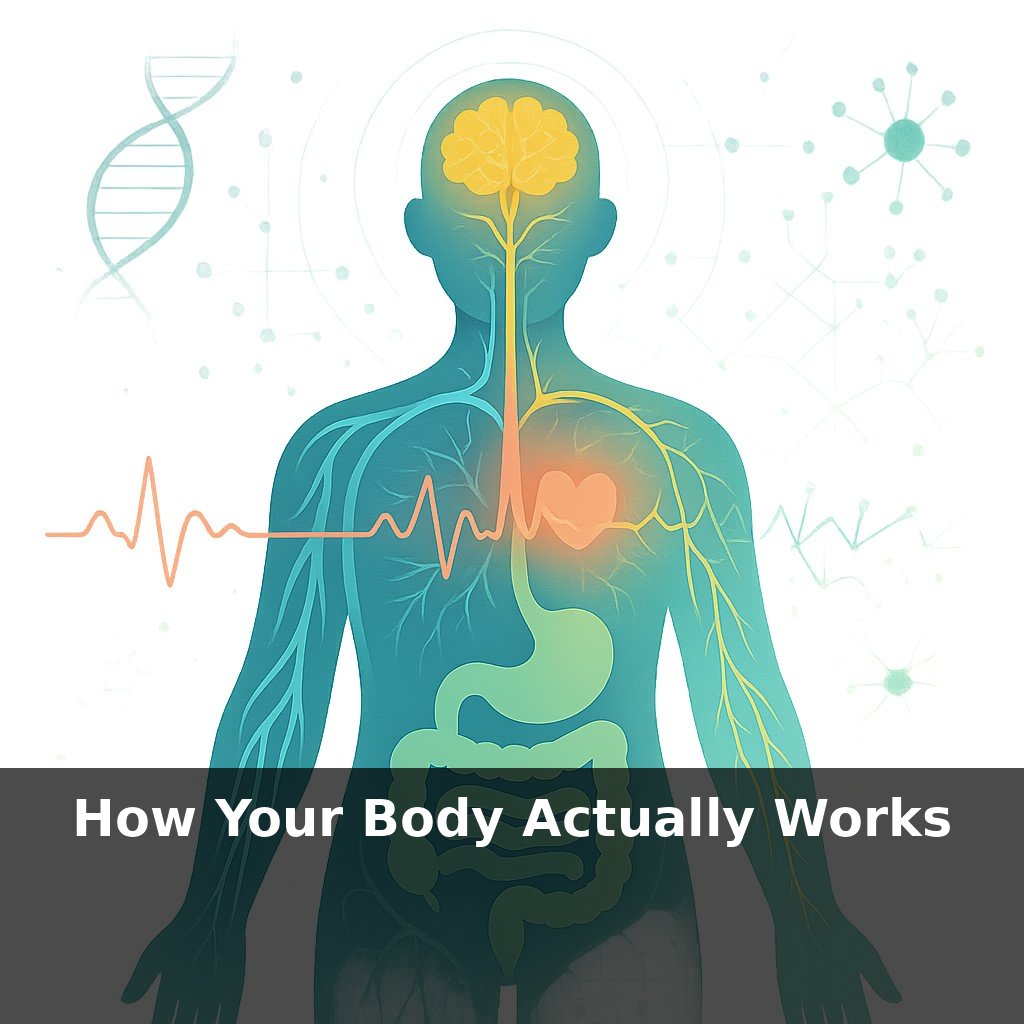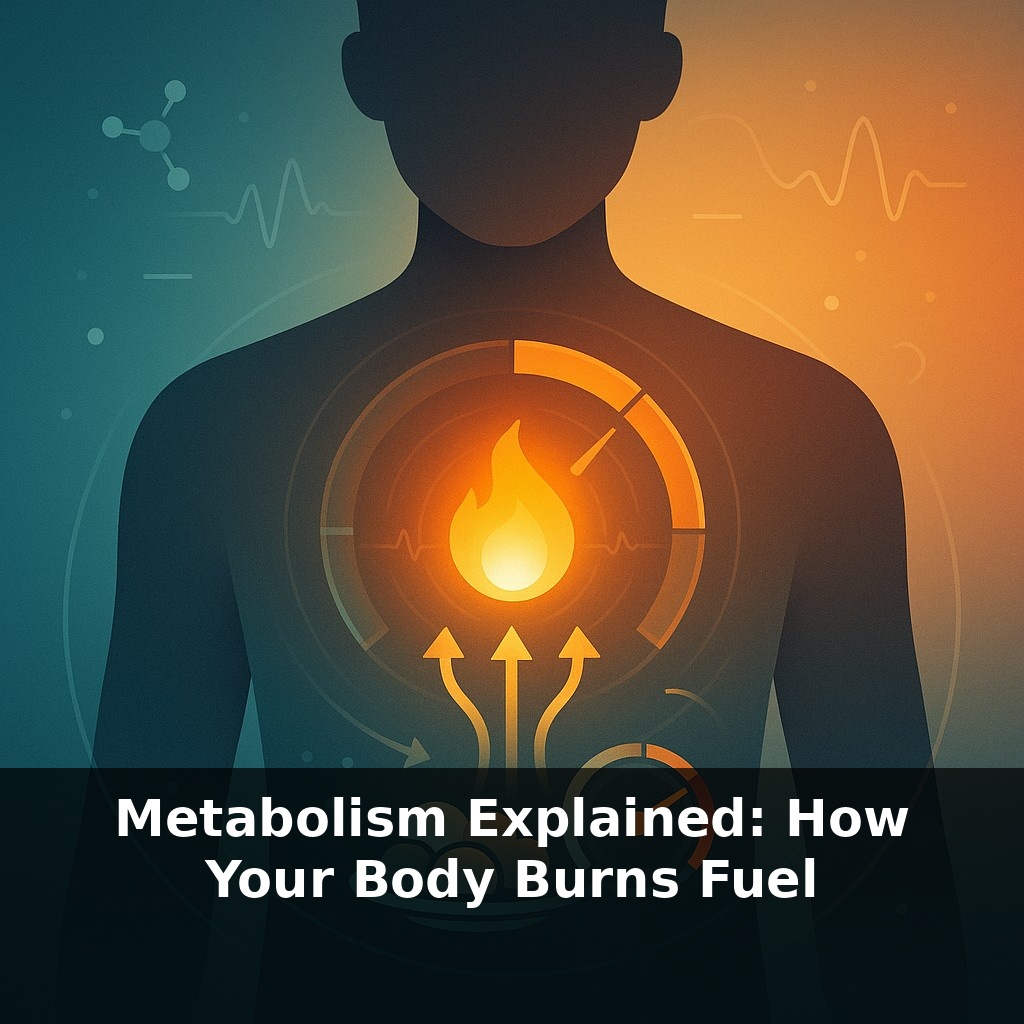
Right now, sitting still, your body is burning most of the calories you’ll use today. Not at the gym, not on a run—just existing. You’re breathing, thinking, scrolling… and quietly turning food into fuel. So why do some bodies seem like gas guzzlers and others like hybrids?
That quiet burn in the background isn’t fixed like your eye color—it’s more like a living budget your body updates constantly. Sleep too little, and your system may “cut costs.” Recover from an illness or hard training, and it may briefly “overspend” to repair. Hormones, stress, and even how often you move during the day can nudge this budget up or down in small but meaningful ways.
Here’s the twist: two people of the same age, height, and weight can have different totals, yet both be perfectly healthy. Genetics sets a range, but your habits decide where you sit inside it. Long desk days, crash diets, strength training, even fidgeting all leave fingerprints on your daily burn. Instead of chasing a “fast metabolism,” it’s more useful to understand which levers you can actually pull—and which ones you can safely stop blaming.
Your body runs this budget through thousands of tiny chemical decisions every second. Enzymes shuffle pieces of carbs, fats, and proteins, deciding whether to stash them, spend them, or use them to repair something you broke in yesterday’s workout. Oxygen is the quiet partner in the deal, allowing you to “cash out” energy instead of just storing it. Sleep, illness, and training change which jobs get funded first: defense, maintenance, or performance. Like a kitchen during a busy dinner rush, what comes in, what’s already prepped, and who’s on shift all shape what actually leaves the line.
Think of total energy use as coming from three overlapping “departments” instead of one mysterious metabolic number on a fitness tracker.
First is the background operations you’ve already met: the energy you’d burn lying quietly in a dark room. On top of that sits everything your body spends to actually handle food. Digesting, absorbing, packaging, and storing a meal is work, and it isn’t equal for all foods. Protein is like paperwork-heavy hospital billing—slow, complex, and expensive. It costs noticeably more energy to process than most fats or refined carbs. Mixed, minimally processed meals generally “cost” more to handle than ultra-soft, highly processed ones that your system can tear through with minimal effort.
Next is the flexible department: movement. A structured workout might be 30–60 minutes, but the little things you do—or don’t do—for the other 15 waking hours can rival or exceed that. This is where non-exercise activity thermogenesis (NEAT) lives: pacing on calls, cleaning, carrying groceries, choosing stairs, even how much you gesture when you talk. Two people with the same size and same workout can differ by hundreds of calories a day just from this background motion.
Layered on top of both is your body’s adaptive response. Prolonged dieting, big stress loads, or very low sleep can make it quietly trim expenses: you unconsciously move less, feel colder, or push less hard in the gym. That 5–15 % drop in total expenditure doesn’t mean “no fat loss,” but it does mean the same calorie target stops working as well over time. Weight-loss plateaus often reflect this subtle downshift plus water and glycogen changes, not a sudden biological rebellion.
Flip the script and your system can scale up for a while: recovering from a tough lifting phase, healing from injury, or supporting late-pregnancy and breastfeeding all push energy use higher without you “trying” to speed anything up.
Across weeks and months, what matters is how these pieces add up. The balance between what you eat, what you deliberately train, how much you naturally move, and how your body adapts to long-term patterns determines whether you slowly store, slowly spend, or mostly maintain.
A useful way to see this in real life is to zoom in on a single day and notice how differently the same meal can “land” in two bodies. Take breakfast: one person wolfs down a muffin in the car and then sits for four hours. Another eats the same calories in eggs and fruit, then spends the morning on their feet restocking shelves. The label might list identical numbers, but the second person has more going toward tissue repair, enzyme activity, and tiny postural shifts that quietly add to their total.
Food order across the day matters too. Front-loading protein at earlier meals can tilt more of your intake toward rebuilding and away from late-night grazing. On days you lift, that same protein “finds” more receptive muscle. Even your meal timing around sleep nudges where energy goes: a heavy, late dinner may favor storage, while a balanced earlier one leaves more room for overnight maintenance and subtle cleanup jobs your cells run while you’re offline.
Your cells are quietly becoming more “tunable.” In the near future, a nutrition plan might look less like a generic menu and more like a tailored prescription, drawing on your microbiome, sleep patterns, and glucose curves. City design could matter as much as gym design: stairs, parks, and transit nudging you toward constant low-level motion. At the same time, debates will sharpen: if safe “metabolic boosters” exist, who gets them first—patients, athletes, or anyone who can pay?
Over the next decade, you may be able to “tune” how you use food almost like adjusting an oven: slow roast for long, steady energy, quick broil for intense effort. Your challenge this week: notice which meals leave you sleepy, wired, or steady. That simple awareness is the first step to steering how your body decides to spend—or save—its fuel.