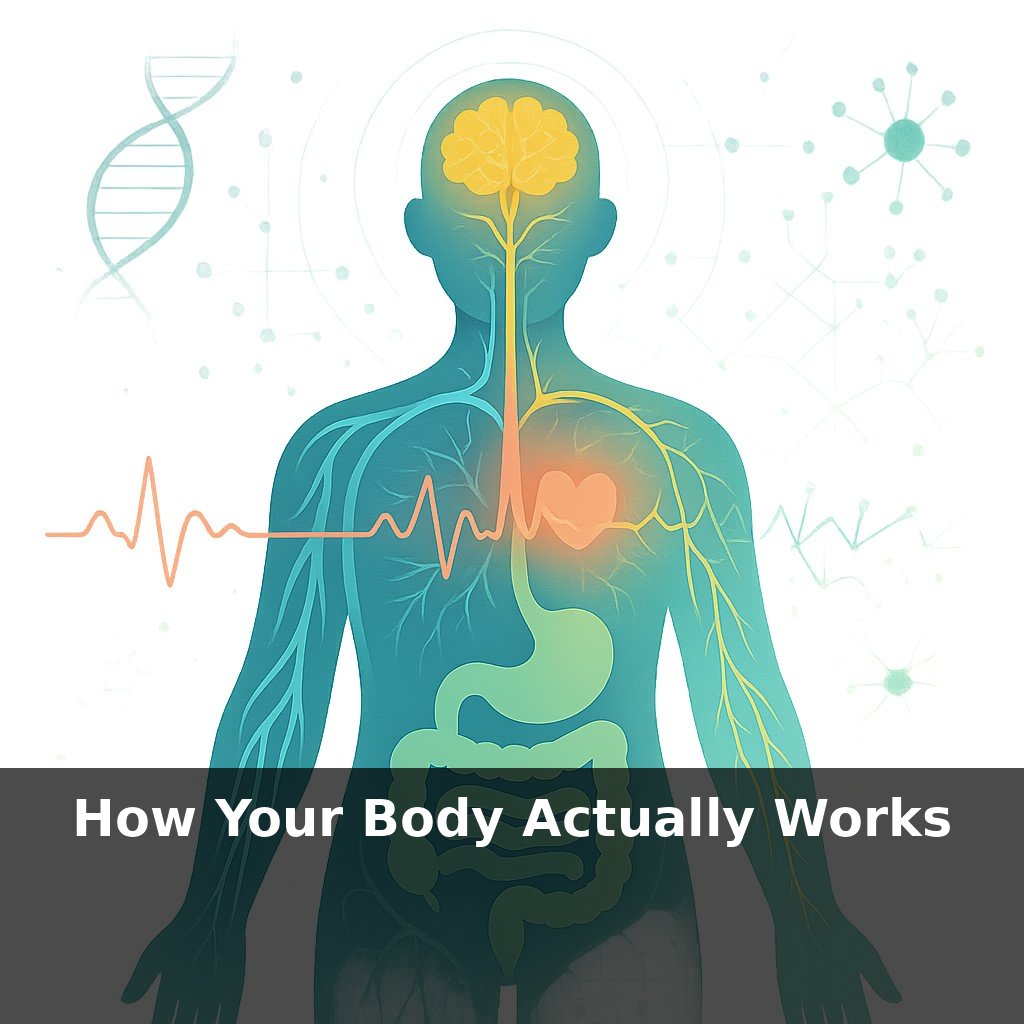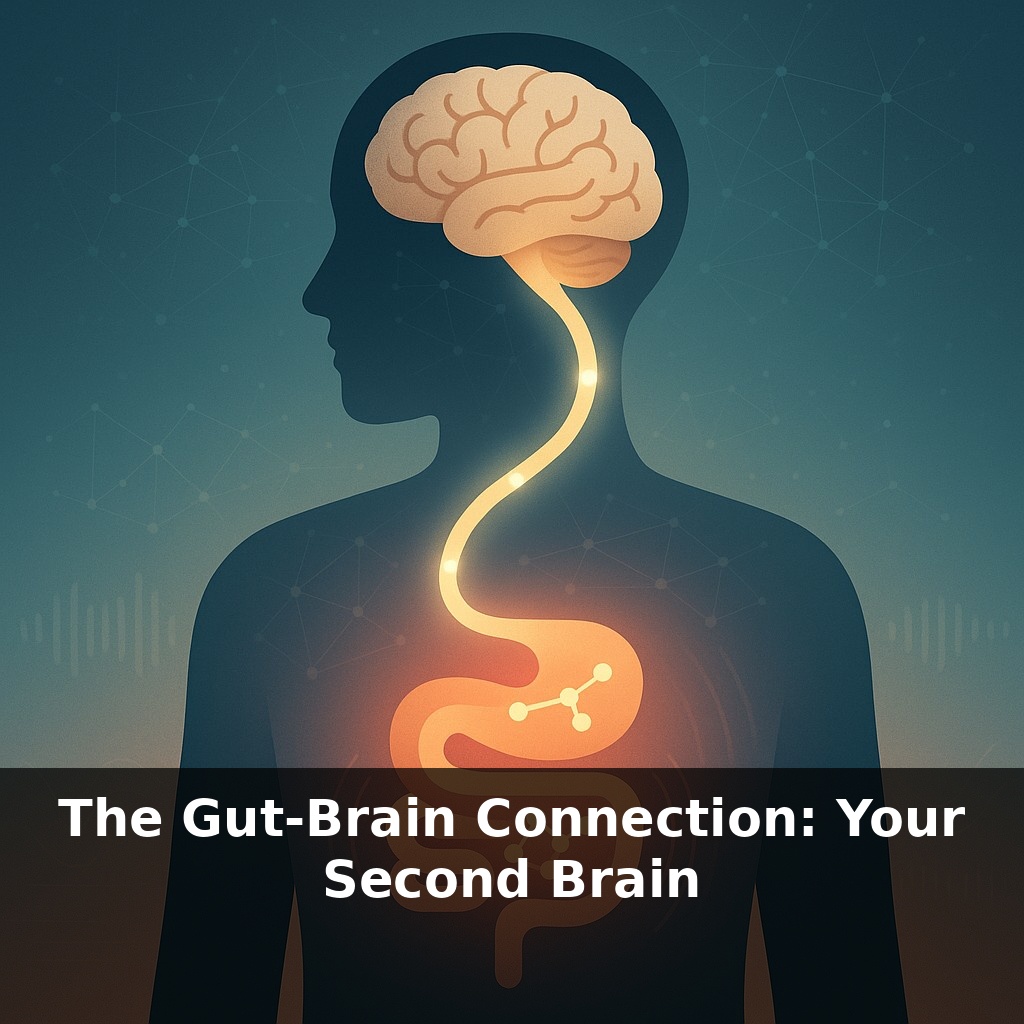
Right now, most of your body’s serotonin—the mood chemical targeted by many antidepressants—is being made far from your head. Picture a tense meeting, a first date, a big speech: your “gut feeling” isn’t just poetic language. It’s your second brain speaking up.
Your “second brain” doesn’t just react to stress; it quietly shapes who you are day to day. That knot in your stomach before a tough conversation, the way certain foods make you oddly calm or wired, even how clearly you think after a week of junk food versus home-cooked meals—these are all snapshots of an ongoing negotiation between your gut and your brain.
Researchers now track this dialogue across multiple channels: nerves firing, hormones pulsing, immune cells signaling, and microbial byproducts drifting into circulation. In depression, autism spectrum conditions, Parkinson’s, and IBS, they keep finding the same pattern: the conversation is distorted, not just “in the head” or “in the gut” alone.
So instead of asking, “Is this physical or mental?” a better question might be, “What story is my gut-brain loop trying to tell me—and how much of it can I actually change?”
Some of the most revealing clues about this gut–brain story come from people whose lives have quietly shifted after their internal ecosystem changed. In depression studies, certain microbes nearly vanish when symptoms are worst, then reappear as people recover. In Parkinson’s, constipation and subtle digestive changes often show up years before tremors do. And in lab settings, transplanting gut communities from anxious or calm donors can transfer aspects of that behavior to animals—hinting that mood can, in part, ride along with microbes rather than thoughts alone.
Your digestive tract isn’t just passively “receiving orders” from above; it’s running its own operations center. Embedded in the gut wall is a dense neural network—the enteric nervous system—with hundreds of millions of neurons. It can coordinate complex reflexes like peristalsis, enzyme release, and blood flow without asking the brain for step‑by‑step instructions. When researchers cut or chemically block the main highway between gut and brain in animals, many gut patterns keep going on their own, which is one reason some scientists started calling it a “second brain” in the first place.
Where things get especially interesting is when you add microbes to that circuitry. Different bacterial species specialize in different “jobs”: some break down fiber into short‑chain fatty acids that calm inflammation and can tweak stress responses; others manufacture or consume precursors for dopamine, GABA, and other neuroactive compounds. In depression studies, people with more Faecalibacterium and Coprococcus tend to report better quality of life, while those with less often score higher on symptom scales. That doesn’t prove cause and effect, but it suggests the mix of residents in your gut can tilt your mental baseline toward resilience or vulnerability.
Not all interventions are equal, though. Commercial probiotics often throw a grab‑bag of strains into one capsule, but individual strains behave almost like different drugs. In that 2017 trial, the specific Bifidobacterium longum 1714 strain nudged cortisol and memory in healthy adults; nearby cousins may do nothing similar. And while fecal microbiota transplants can be transformative for stubborn C. difficile infections, their use for mood or neurological issues is still experimental and closely monitored.
Food and daily habits end up being the quiet levers most of us can actually pull. Diverse plant fibers, fermented foods, regular movement, decent sleep, and stress‑recovery rituals gradually shift which microbes thrive. Over weeks to months, those shifts can subtly alter how your body responds to stress, how intensely you register pain, even how restorative your sleep feels.
Think of your gut microbiome as a teaching hospital: new “interns” (microbes from food, soil, and other people) arrive daily, but only those that get enough “cases” (the right kinds of fibers and nutrients) stick around and join the permanent staff. Over time, that staff shapes how your body handles stress, pain, and focus.
Concrete examples: people who regularly eat 30 or more different plant foods per week tend to harbor more microbial species that produce short‑chain fatty acids linked to calmer stress responses and better sleep quality. In small human trials, adding fermented foods like kefir, kimchi, or live‑culture yogurt has nudged down inflammatory markers and slightly reduced self‑reported anxiety.
On the flip side, long stretches of ultra‑processed meals, erratic sleep, and constant rushing can tilt the “staffing mix” toward microbes that thrive on quick sugars and may promote low‑grade inflammation—a pattern associated with brain fog, low motivation, and more volatile moods in observational studies.
Hospitals are already testing “psychobiotic” cocktails the way cardiology clinics test blood‑pressure meds—titrating strains to mood outcomes and sleep data. Smart toilets may quietly track microbial fingerprints, flagging subtle shifts in stress resilience long before symptoms. Public guidelines could evolve from “eat more fiber” to “hit your weekly fiber diversity score,” nudging cities, schools, and food companies to treat microbial health as basic mental‑health infrastructure.
Your week might already be a quiet experiment: notice how your mind shifts after a fiber‑rich lunch versus a rushed, processed snack, or how sleep loss changes both cravings and patience. Your challenge this week: pick one daily meal and upgrade it—more plants, fewer additives—and see whether your mood “weather forecast” softens by Friday.