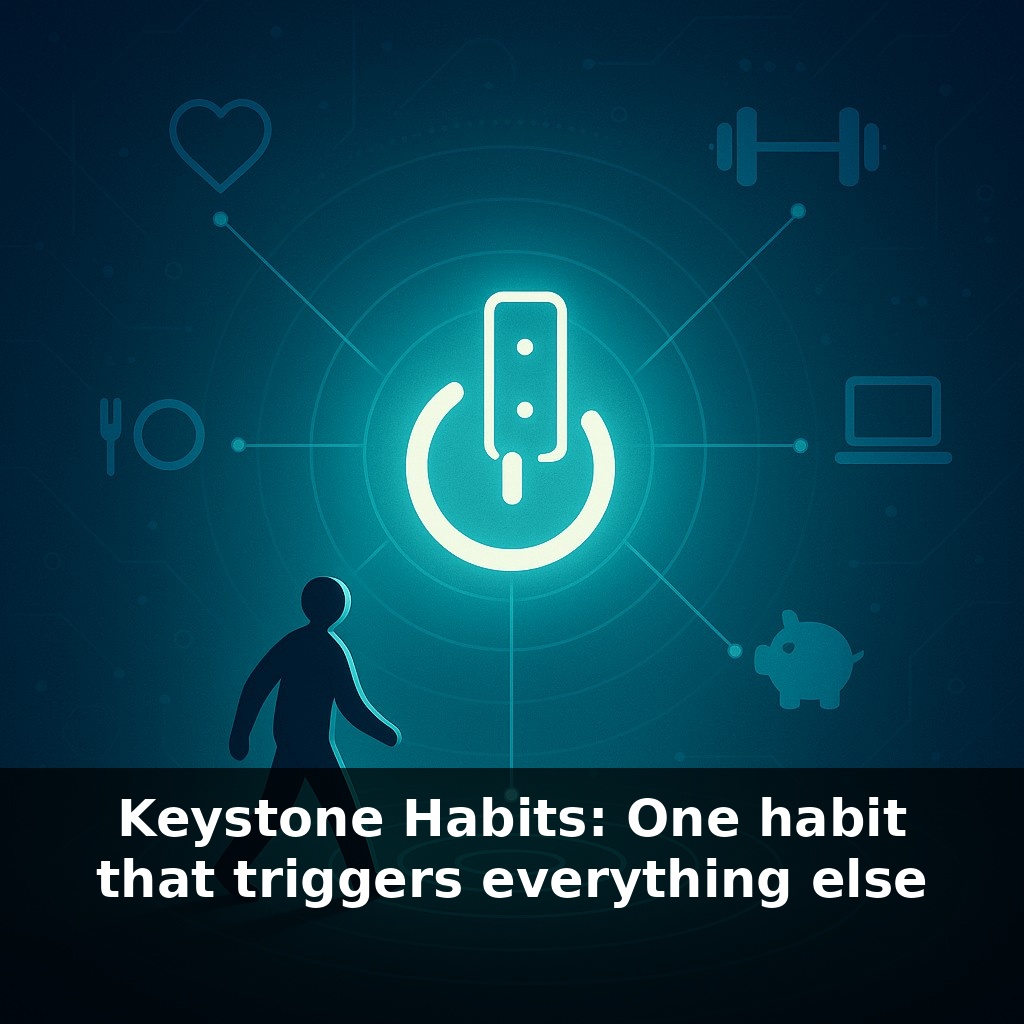
You change one tiny habit, and suddenly other parts of your life start quietly upgrading themselves. A short walk leads to better food choices. Making the bed leads to calmer money decisions. In this episode, we’ll explore why one small routine can secretly run the whole show.
Regular exercisers are, on average, 15% more productive at work and 25% less likely to call in sick—and it’s not because they suddenly became “more disciplined people.” Something else is happening under the surface: one behavior is quietly rewiring an entire network of others. That’s the essence of a keystone habit.
In your brain, these habits don’t live in isolation. They cluster. Change a pivotal one, and related routines begin to shift—eating, sleeping, focusing, even how you speak in meetings. Companies have learned to exploit this: Alcoa focused obsessively on daily safety checks and, as a side effect, improved communication, trust, and profits. Weight Watchers found that simply writing down what you eat can double weight loss. In this episode, we’ll unpack why one well-chosen habit can pull your whole system in a new direction—and how to pick yours.
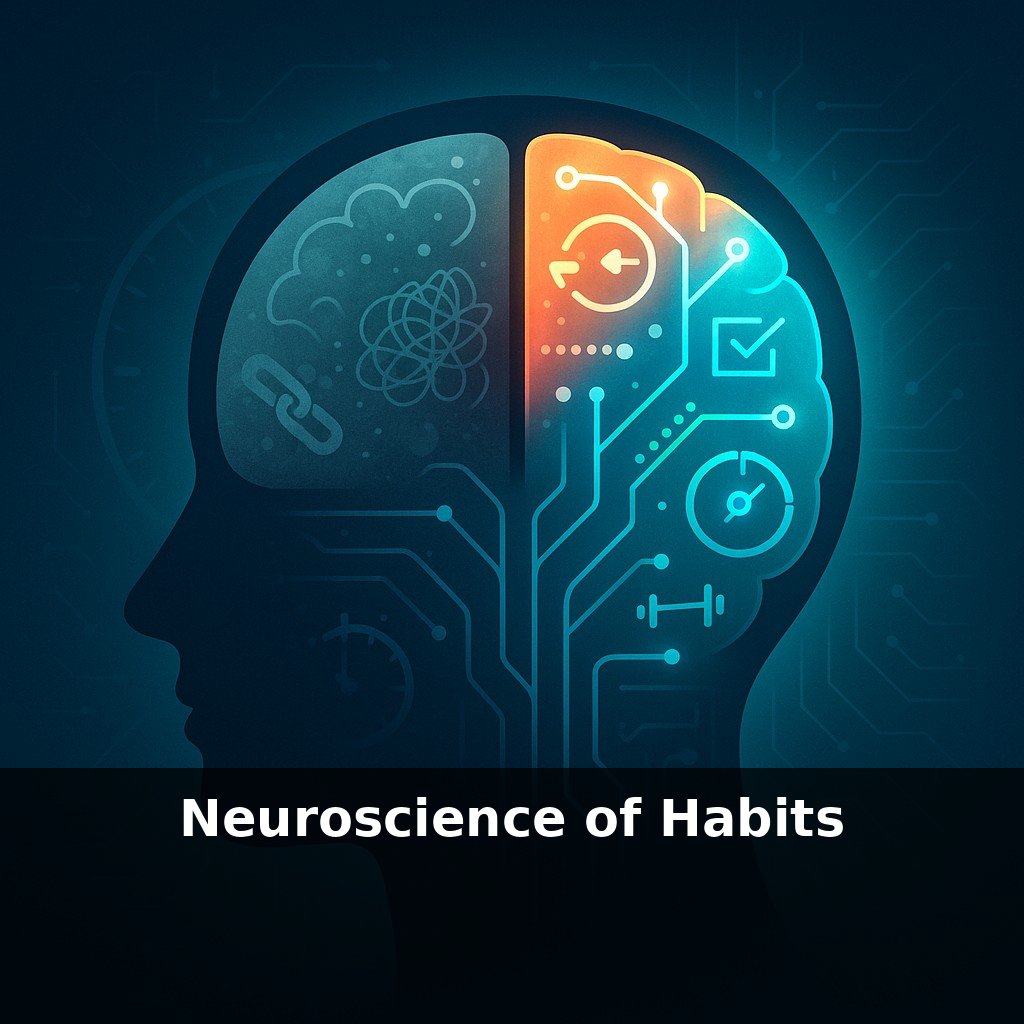
Neuroscientists can actually see habit loops settling into place: cue, routine, reward firing through the basal ganglia like a well-practiced riff. Shift just one part of that loop, and the brain doesn’t rewrite everything from scratch—it tweaks neighboring patterns that share the same cues or rewards. That’s why changing how you wind down at night can quietly alter what you reach for at breakfast or how you respond to stress emails. In teams and companies, the same thing happens socially: adjust one shared routine, and new norms start spreading through meetings, deadlines, even how people give feedback.
Keystone habits tend to share three features: they touch your identity, they create “spillover” decisions, and they generate quick, believable wins.
Identity first. Certain behaviors quietly answer the question, “What kind of person am I?” A short workout can register as “I’m someone who takes care of my body.” Writing a daily summary after work can become “I’m someone who finishes what I start.” Once that self-story updates, your brain starts rejecting actions that contradict it. Snacking mindlessly or letting emails pile up doesn’t just feel unwise—it feels out of character. That internal friction is a powerful amplifier.
Next, spillover. Some routines force you to make upstream choices that echo through the day. Exercise schedules your evening differently. Planning tomorrow’s top three tasks changes how you spend the last 30 minutes of today. Food journaling shapes how you shop, not just how you eat. Keystone habits often sit at “choice points” where one decision constrains many that follow. The brain likes this: fewer decisions, less fatigue, more consistency.
Then, quick wins. Your nervous system learns from visible feedback. Habits that produce a clear, short-term payoff—better focus after five minutes of planning, calmer mood after a brief walk, cleaner desk after a two-minute reset—train your brain to expect reward from effort. Over weeks, that expectation bleeds into adjacent behaviors: you start believing that small inputs can move big outcomes, which makes it easier to tackle harder changes.
There’s also timing. Habits anchored to strong, predictable anchors—waking up, starting work, finishing lunch—reliably fire, giving your brain more “reps” to strengthen the pattern. This repetition is what nudges you toward that ~66‑day mark where the action starts to feel automatic rather than negotiated.
On the neuroscience side, dopamine plays a crucial role. Keystone behaviors that consistently feel meaningful or satisfying cause small but repeated dopamine pulses. Those signals don’t just reinforce one routine; they sensitize circuits involved in planning, motivation, and self-control. Over time, you’re not just “doing a habit”—you’re upgrading the machinery that makes all habits easier to install.
Some organizational routines work the same way. A team that ends every day with a five-minute “what helped, what hurt” check-in is not just sharing status; it’s building a default toward reflection, candor, and course correction. That norm then seeps into one-on-ones, project planning, and even hiring—without anyone running a “culture change” program.
The paradox: the most transformative habits often look almost too ordinary to matter. Their power lies less in intensity and more in where they sit in your mental and social circuitry.
A practical way to spot these high‑leverage behaviors is to notice where one decision quietly reshapes the next few hours. For one designer, it wasn’t exercise or meditation—it was a five‑minute “setup” ritual at her desk: opening today’s brief, closing all unrelated tabs, and writing the single sentence, “If I only move one thing forward today, it’s ______.” Within weeks, she found herself procrastinating less, saying “no” faster, and shutting her laptop on time. She hadn’t aimed to fix focus, boundaries, and work‑life balance—those came along for the ride.
In a product team, a weekly “ship something small by Friday” rule did similar work. Nobody declared a new culture; they just agreed that every week would end with one concrete improvement live. Over time, that one constraint reduced perfectionism, shortened meetings, and made engineers and designers talk earlier instead of arguing later. One visible behavior became a shared expectation: we learn by moving, not by polishing in private.
Your challenge this week: run a 7‑day keystone experiment. Pick ONE behavior that happens early in your day and naturally “touches” several others—like a 3‑minute planning check before you open email, a 10‑minute walk right after lunch, or a hard stop ritual where you close all work apps and set tomorrow’s first task. Don’t try to optimize your whole life—only protect that one anchor.
Each evening, quickly answer three questions on paper or in a notes app:
1) Did I do the habit? (yes/no, no judgment) 2) What changed because I did or didn’t? (be specific: “snacked less,” “argued more,” “stayed later”) 3) Did anything else feel slightly easier or harder today?
At the end of 7 days, look back not for perfection, but for *hidden spillovers*: places where this single action started nudging your decisions, mood, or interactions in ways you didn’t plan. That’s your signal you’ve found a real keystone candidate worth extending toward that 66‑day mark.
Future keystone habits may be detected before you’re consciously aware of them—your devices quietly noticing that on days you bike to work, you argue less, sleep earlier, and spend less. Policy makers could then redesign default options—zoning for walkable errands, “focus-first” work norms, even tax perks for certain daily patterns. As this converges with genetics and mental health data, we may treat keystone shifts like prescribing the right dose of a personalized, behavioral medicine.
You don’t need a total life reboot; you need one pattern that quietly tilts the rest. Think like a sound engineer: instead of cranking every dial, you’re searching for the fader that subtly lifts the whole mix. Keep experimenting, notice where one change sends ripples, and treat those ripples as clues—data points in a long, ongoing conversation between your brain and your day.
To go deeper, here are 3 next steps: (1) Pick one keystone habit from the episode—like a 10-minute morning walk—and set it up in Habitica or Streaks today so you can “gamify” sticking to it this week. (2) Grab Charles Duhigg’s *The Power of Habit* and read just Chapter 4 on keystone habits tonight, then jot 3 concrete ways your chosen habit could positively “spill over” (e.g., earlier bedtime, better lunches, calmer mornings). (3) Print or download James Clear’s Habit Tracker template and, before you go to bed, mark whether you did your keystone habit today and plan an easy “version 1.0” for tomorrow (e.g., 3-minute walk if 10 feels impossible).