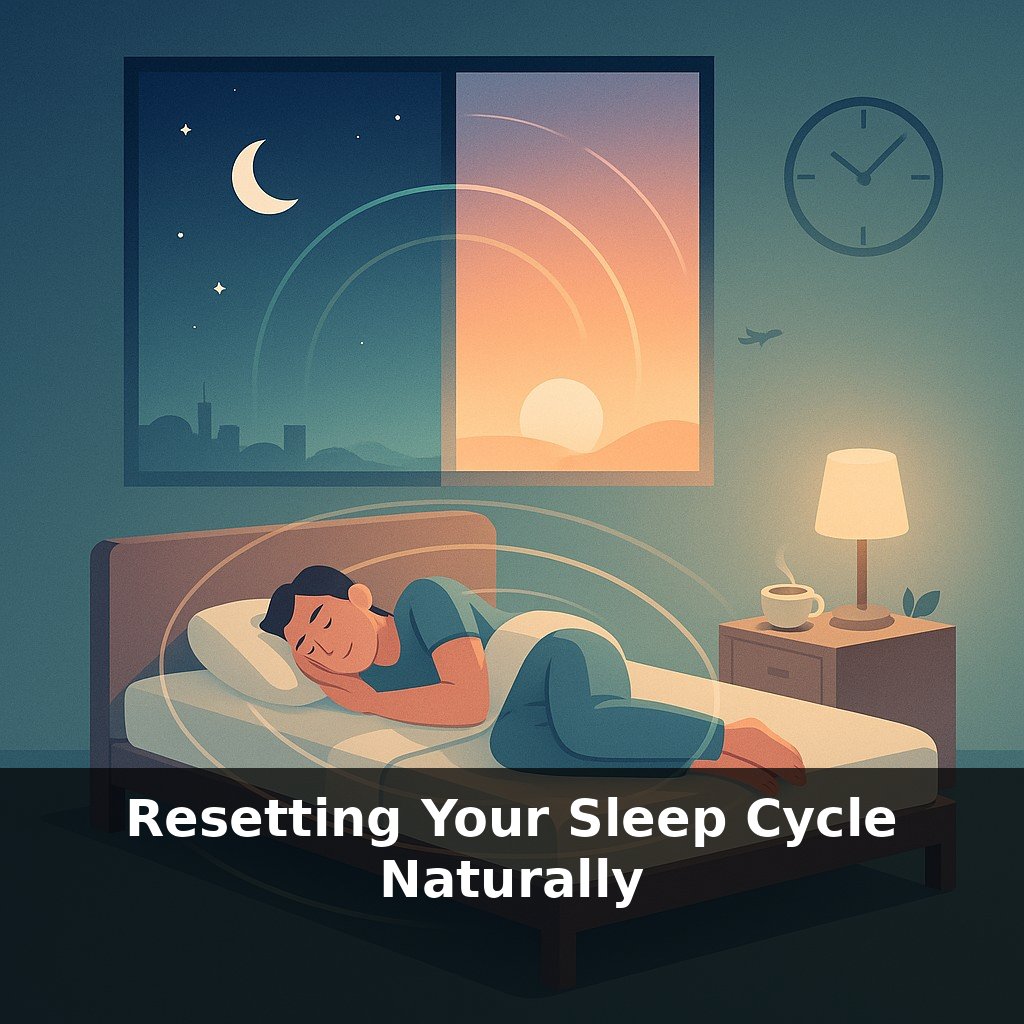
You wake up to your alarm, but your brain thinks it’s three in the morning. Here’s the twist: your body’s clock can actually be nudged earlier or later by just a few tiny habits you repeat each day—mostly involving light, movement, and when you eat.
Most people try to “fix” their sleep by attacking the bedtime: more supplements, stricter rules, another relaxation hack. But by the time you’re in bed, the real decision has already been made—quietly—over the previous 12–16 hours. Your daytime choices are like invisible calendar invites you send to your brain: “Please start shutting down at 11 p.m.,” or, accidentally, “Let’s stay wired until 2 a.m.”
In this series, we’ll zoom in on the levers you can actually control: when your senses get strong signals and when they get a break. Instead of forcing yourself to be tired on command, you’ll learn to set up your day so tiredness arrives almost on schedule.
We’ll look at how to shift your timing in small, predictable steps, how to test what’s working, and how to avoid a common trap: resetting all week, then undoing it in one late-night weekend binge.
So in this episode, we’ll zoom out one more level. Instead of obsessing over a single “perfect night,” we’ll think in terms of a 7–10 day arc, where each day is one small adjustment to *when* key signals arrive. The goal isn’t heroic willpower; it’s repeating modest, well-timed nudges until your internal clock quietly reschedules itself. Think of your day like editing a calendar app: slide light, meals, movement, and wind‑down blocks slightly earlier or later, then let your biology respond. We’ll map which levers to move first, how far, and how to avoid bouncing back on weekends.
Most people try to jump an hour or two at once—then declare “my body is broken” when nothing happens. The research points to something far less dramatic and far more reliable: aim for a 15–30 minute shift each day, then let the physiology catch up.
Think in terms of a 7–10 day “phase shift block.” First, choose your target wake time, not your target bedtime. If you currently wake at 9 a.m. and want 7 a.m., you’re looking at roughly a week of steady nudges, not an overnight overhaul. That expectation alone reduces the frustration that often keeps people wired at night.
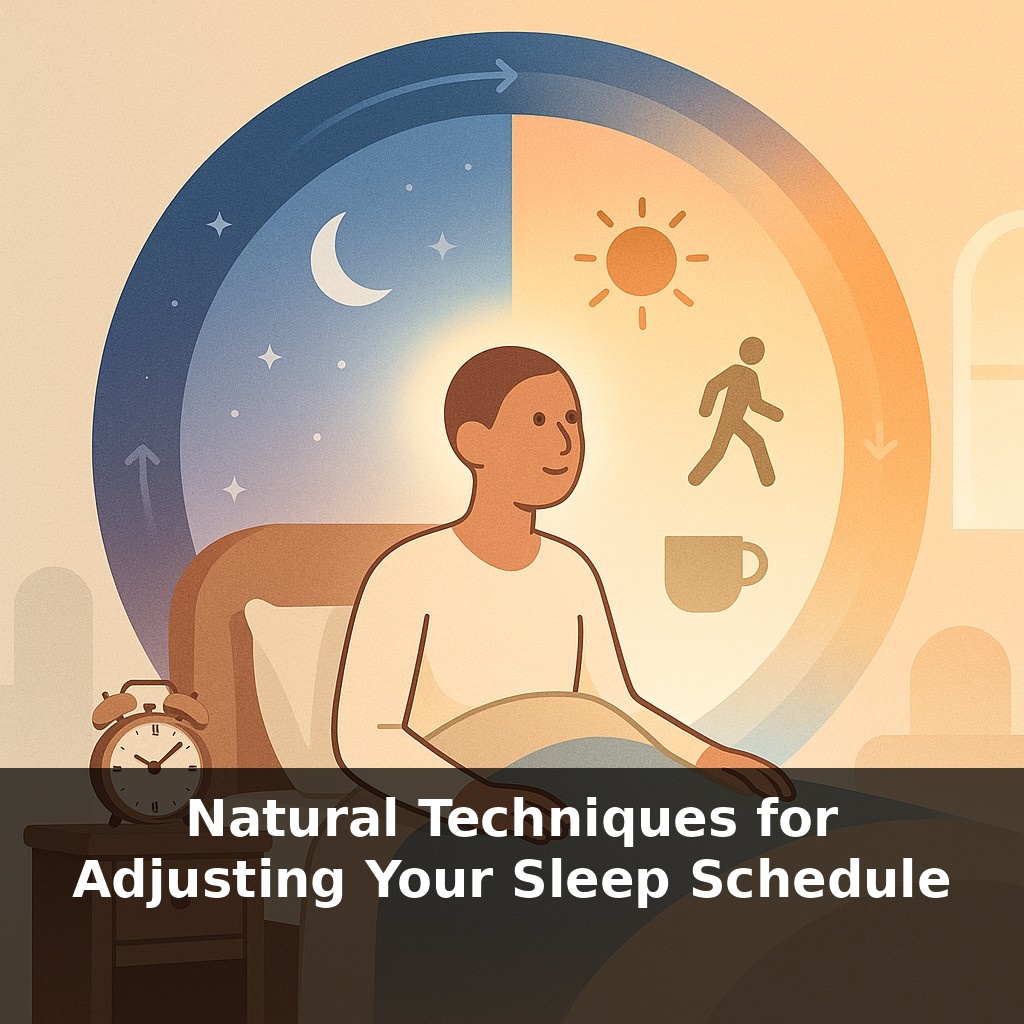
Next, anchor the day from the *front* rather than the back. The moment you get up, you’re starting a countdown to when your brain is willing to let you sleep again. Brightness, movement, and meals each act like timestamps that say, “The day has begun.” To move your sleep earlier, you’re simply stamping those cues a bit sooner than yesterday, over and over.
Here’s where precision matters. Evidence suggests that sufficiently bright morning light at a consistent clock time can shift hormonal rhythms by measurable minutes per day. That’s why “wake up sometime between 7 and 10” rarely works; your biology responds to patterns, not averages. The same goes for when you break your overnight fast, and when you do your most vigorous activity. Slide them earlier in lockstep with your new wake time, and you’re giving your system a coherent story about when “day” starts.
Evenings are about subtraction more than addition. As you approach your intended wind‑down window, you’re gradually removing signals that say “stay on duty”: heavy mental work, stimulating social media, intense light, large late meals. Think of it less as a ritual to perfect and more as a gentle tapering of demands.
One useful mental frame from technology: you’re not forcing a hard reboot every night; you’re adjusting the default settings. Once those defaults stabilize for a week or two, your “random” nights start looking a lot more predictable.
Think of this next step like re‑coding a simple app rather than rebuilding the whole operating system. Each day, you’re editing a few “if‑then” rules your brain quietly follows. For example: *if* the room hits a certain brightness and your body temperature starts rising, *then* your brain tags this as “morning,” even if the clock says otherwise. Stack enough of these rules and your old pattern becomes the glitch, not the default.
Concrete example: someone who naturally drifts toward 1 a.m.–9 a.m. might start by setting one new rule—no screens in bed, full stop. Another person whose main issue is late‑night alertness might tweak a different rule first: intense problem‑solving stops 60 minutes before lying down. Over a week, these “micro‑rules” begin to chain together. You’re not bullying yourself into sleep; you’re rewriting the situations in which your brain thinks it should be “on,” so that “off” starts to feel like the path of least resistance.
Rather than just feeling “less tired,” adjusting sleep timing could eventually reshape how we design days. Wearables might nudge you like a smart navigation system, quietly rerouting you toward better-aligned wake windows before you drift off course. Cities could time streetlights, transit schedules, and even park access to match residents’ patterns. Workplaces might offer roles that follow your natural peaks, like choosing between fixed-rate and flexible investments in your daily energy budget.
Your challenge this week: run a “24‑hour audit.” For three days, jot down the exact times you see strong daylight, do your hardest thinking, and feel your first real wave of sleepiness. Don’t change anything yet—just map the pattern. Then, for the next four days, shift one of those anchors 15 minutes earlier and watch how the others quietly reshuffle, like budget categories after a tiny raise.