“Feedback is the breakfast of champions,” Peter Drucker said—yet most workplaces treat it like a once‑a‑year crash diet. A tough comment lands in a one‑way review, trust drops, and learning stalls. Why do some leaders flip this script and turn feedback into fuel instead of fear?
Gallup’s data shows something striking: a single habit—meaningful weekly feedback—triples the odds that someone is engaged at work. Not a grand strategy. Not a new org chart. A recurring conversation. That tells us growth isn’t powered by rare “big moments,” but by small, consistent course corrections. Yet many teams still treat feedback like a fire alarm: only pulled when something is broken. The shift we’re exploring now is quieter and more radical. It’s the move from “feedback as an event” to “feedback as the operating system” of the team. In this kind of environment, people don’t wait twelve months to find out whether they’re on track; they navigate like using GPS, adjusting in real time. And the most reliable signal in that system isn’t a form or a tool—it's the behavior that others see you model every day.
In companies that do this well, growth is less a motivational poster and more a shared habit. Adobe’s “Check‑In” replaced rigid ratings with ongoing, two‑way conversations—and voluntary exits dropped by nearly a third. Microsoft’s shift to a “learn‑it‑all” culture under Satya Nadella didn’t start with a survey; it started with senior executives asking, “What am I missing?” in public. When people see those at the top requesting critique, thanking the source, and adjusting course, they infer a rule: around here, progress beats ego. That rule quietly rewires what colleagues talk about, how soon they talk about it, and who feels safe to speak.
When you zoom in on teams that nail this, one pattern stands out: the people in charge treat feedback less like a performance “verdict” and more like a shared design process. The work is the prototype; every comment is data to refine it. And crucially, they make that process visible.
Three shifts tend to separate these teams from the rest.
First, they go from vague to precise. “Good job on that presentation” sounds nice but teaches nothing. “When you opened with the client’s numbers, they leaned in; when the slides got text‑heavy, they stopped taking notes” turns a compliment into a repeatable playbook. Specificity tells people exactly what to keep and what to tweak, instead of leaving them guessing.
Second, they move from judging people to describing moments. Rather than “You’re disorganized,” they’ll say, “We missed the deadline because the handoff plan wasn’t written down; next time, let’s agree the owner and due date before we start.” The behavior is on the table, not the person’s identity. That small language shift lowers defensiveness and makes it easier to experiment with a different approach next time.
Third, they connect critique to a next step while energy is still high. After a client call, it might be: “You handled the pricing question well. Before the next meeting, draft three answers to the pushback we got on timing, and we’ll rehearse them for 10 minutes tomorrow.” The closer this happens to the original event, the stronger the learning loop.
Notice who goes first in all of this. In places like Microsoft or Adobe, senior people don’t just offer sharper observations—they ask for them. And they don’t wait for polished, perfectly phrased input. They invite “rough” reactions, mine them for insight, and show what they’re changing as a result. Over time, that turns feedback from a hidden, back‑channel activity into a public, normal part of how the team operates.
The last piece is cadence. Not an endless stream of commentary, but short, frequent touchpoints built into existing rituals: a two‑minute “one thing to repeat, one thing to adjust” at the end of a meeting; a quick debrief after a sales call; a monthly retro where the most senior person shares their own learning edge first. The more you institutionalize those small loops, the less anyone waits around for a calendar invite to know if they’re on track.
Think about how a head chef runs a busy kitchen. They don’t wait until the end of the quarter to say whether a dish works; they taste as plates come out, call out “less salt next round,” and, crucially, accept the same scrutiny on their own creations. When the sous‑chef says, “Your new sauce slowed the line,” and the chef replies, “Good catch—let’s streamline it like this,” everyone sees that critique is part of the craft, not a personal attack.
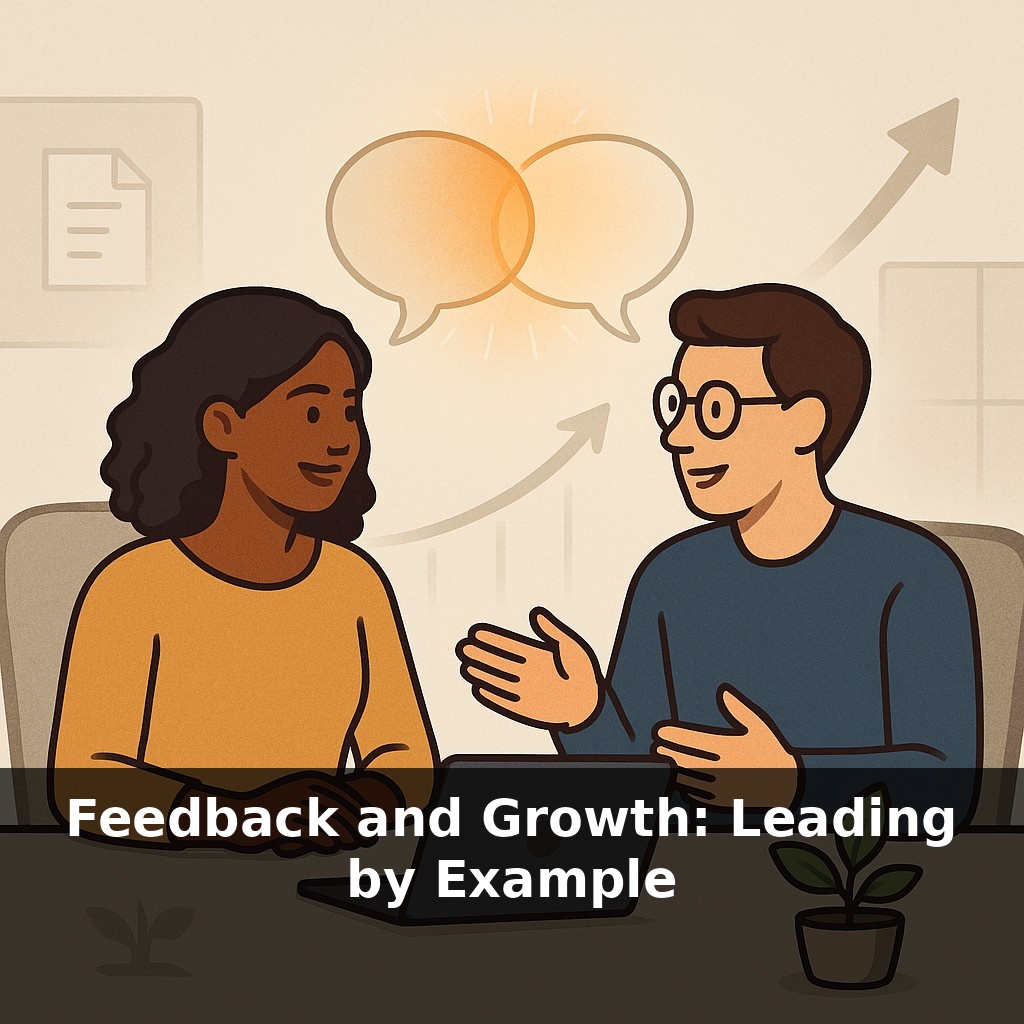
On a product team, the equivalent might be a manager who opens a demo review with, “Here are two things I’d do differently based on last sprint—tell me what I’m still not seeing.” Designers and engineers quickly learn that pointing out gaps isn’t risky, it’s required. Over time, small phrases—“What would you change if you owned this?” or “Rate my contribution out of ten and tell me how to move it up one point”—signal that commentary isn’t reserved for crises; it’s woven into the everyday making of the work.
Weekly “micro‑corrections” will soon sit beside financial metrics on dashboards, letting you spot relational debt before it compounds. Think of it like monitoring cash flow: tiny deficits in clarity, recognition, or candor can snowball into layoffs, exits, or stalled products if ignored. The twist is that algorithms will increasingly surface these early signals, but only humans can decide when to absorb the cost, when to invest in repair, and when to rewrite the rules entirely.
As careers stretch longer and roles morph faster, the people who thrive won’t be the ones with the most flawless track record, but the ones most fluent in course‑correction. Treat each comment like a small deposit into a shared account of clarity: the more regularly you invest, the more options you unlock when stakes climb and the script suddenly changes.
Start with this tiny habit: When you finish any meeting (even a quick Zoom huddle), ask just one person, “What’s one thing I could do 1% better next time?” and then pause to really listen. As soon as they answer, repeat their key phrase back in your own words (e.g., “So, slow down when I explain decisions—got it.”). Before you open your email again, choose one upcoming interaction today where you’ll apply that 1% tweak.