Spain and North Africa are closer than many next‑door neighbors: at one point, you could stand on a Moroccan beach and see the edge of a Muslim-ruled Europe across the water. For this episode, we’re stepping onto both shores at once and following the stories that crossed between them.
Four thousand Arabic-derived words in Spanish hide in plain sight, from ‘ojalá’ whispered as a wish to ‘almohada’ waiting on your bed. This episode zooms in on that kind of quiet survival: not armies or treaties, but habits, tools, and tastes that slipped past dates in textbooks.
We’ll trace how irrigation systems first laid out for Andalusi orchards still shape Iberian landscapes, and how recipes built on rice, citrus, and saffron migrated from palace kitchens to everyday stews. We’ll see scholars in Córdoba translating texts that later powered European science, and families in both Cádiz and Tangier telling parallel stories about the sea.
Think of these traces like software updates running in the background: invisible unless you know where to look, but constantly shaping what Spain and North Africa can do—and how they still recognize themselves in each other.
Traces like those words and water channels don’t stay politely in the past; they keep getting re-edited by each generation. A melody carried by Andalusi exiles gets stretched into cante jondo. A sailing route once used by corsairs becomes a migrant corridor patrolled by radar. Even political borders act more like dimmer switches than walls—sometimes dulling, sometimes brightening old links. In this episode, we’ll follow three kinds of threads: how people moved, how power shifted, and how everyday life on both shores quietly adjusted to each new wave.
“Raza andaluza, raza mora,” wrote the poet Blas Infante, arguing that modern Andalusia couldn’t be understood without North Africa. That kind of claim makes more sense when you look not at single events, but at how bodies, buildings, and borders kept being rearranged across the strait.
Start with people. Genetic studies suggest an average North African imprint of around 10% in today’s Iberian gene pool—but the story isn’t a one‑time “mixing,” it’s waves. Berber soldiers settled in frontier zones, Moriscos expelled in the 17th century were shipwrecked or quietly absorbed, and later, poor Spaniards went the other way, taking seasonal jobs in Moroccan agriculture or construction under the Protectorate. Each wave left a different social layer: frontier garrisons, crypto‑Muslim villages, migrant worker networks.
Power moved in similar pulses. After 1492, the frontier didn’t vanish; it slid south. Spanish and Portuguese forts dotted the Maghrebi coast, trading cannon fire and grain shipments with local dynasties. When Spain carved out a Protectorate over northern Morocco in 1912, it wasn’t starting from zero—it was formalizing centuries of intermittent control over ports, islands, and outposts like Ceuta and Melilla. Those cities, still Spanish yet physically in Africa, turn today’s debates over migration and sovereignty into arguments about whose past “counts” more.
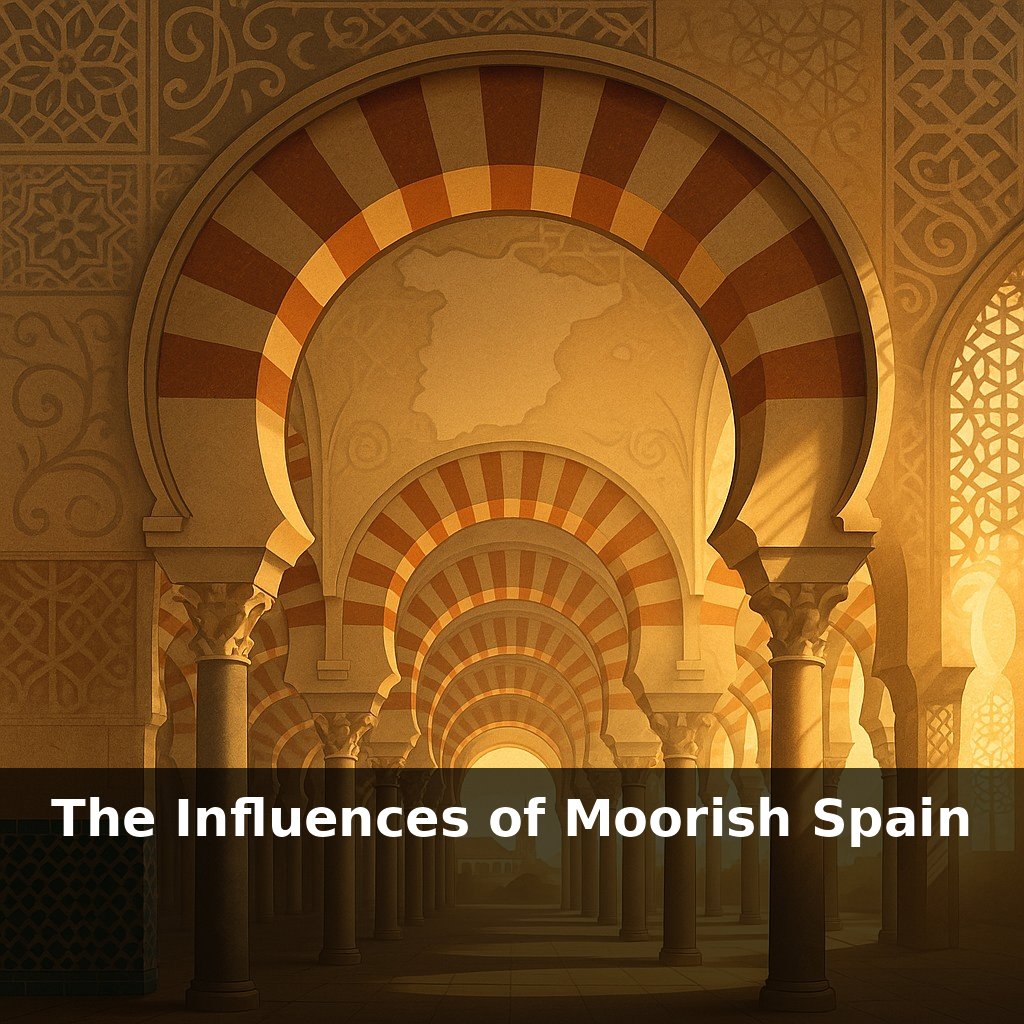
You can see the same layering in stone. A mosque in Seville becomes a cathedral, but the minaret’s proportions quietly script the Giralda’s silhouette. Later, when Spain builds in Tetouan or Chefchaouen, architects trained in Madrid borrow back “Moorish” arches and courtyards as a style of empire. It’s like an old document that’s been written over so many times the earlier text still bleeds through, guiding where new ink can go.
And then there’s daily life under changing flags. Fishermen in Almería adjust to quotas hammered out with Rabat; families in Nador base emigration plans on WhatsApp rumors from cousins in Barcelona; energy planners in both countries map gas pipelines under the same strait once crossed by war fleets. The names of the players keep changing—caliphates, crowns, republics—but the board stays shared.
A good way to see these overlapping histories is to watch how specific objects “travel” and change jobs. Take the orange tree: first a luxury in elite gardens, later a municipal tool for shading hot streets, now also a tourist postcard and a marketing logo for “Mediterranean lifestyle” products sold from Rabat to Valencia. Or the courtyard house: in Fez it protects privacy and cools the air; in Seville’s barrios it hosts neighborhood fiestas; in Madrid’s 20th‑century “neo‑Mudéjar” buildings it becomes state‑sponsored nostalgia. Even pop music acts like a kind of cultural USB stick. A trap artist in Barcelona samples a chaabi rhythm; a rapper in Casablanca wears a La Liga jersey and drops Spanish slang; both circulate on the same TikTok feeds, teaching each other gestures and punchlines. Sports intensify this loop: when a Moroccan player scores for a Spanish club, fans in both countries claim the moment, rewriting a shared story with every goal and transfer window.
UNESCO routes linking Andalusi and Maghrebi towns could turn small villages into open-air archives, where homestays and local guides matter as much as monuments. A green-energy “bridge” might send Moroccan sun to European factories, tying farmers’ cooperatives to battery plants. Digitized manuscripts could feed AI tools trained jointly in Granada and Rabat. And as Spanish-born kids of Moroccan descent hit film, football, and parliament, they’ll debug old ideas of who “counts” as Spanish.
So when you hear rai riffs on a Madrid street or watch ferries shuttling workers and students, you’re catching a live feed of this long story. Trade rules, climate projects, and streaming playlists now do what caravans and courts once did: knit both shores together, re-editing identities like a shared document that never quite finishes saving.
Try this experiment: Pick a specific street, plaza, or building in your city and “hunt” for Andalusi/Maghrebi echoes in its design—arches, tiles, courtyards, water features, geometric patterns—and photograph 5 details that could plausibly exist in Córdoba or Fez. Then, pull up images of the Alhambra, the Great Mosque of Córdoba, or Chefchaouen and put them side by side with your photos to see where the visual rhymes are strongest. Finally, show your mini “Spain–North Africa parallels” gallery to one friend and ask them which image pair most changes how they think about Europe and North Africa being historically separate.