Introduction to the Microbiome
📝 Transcript
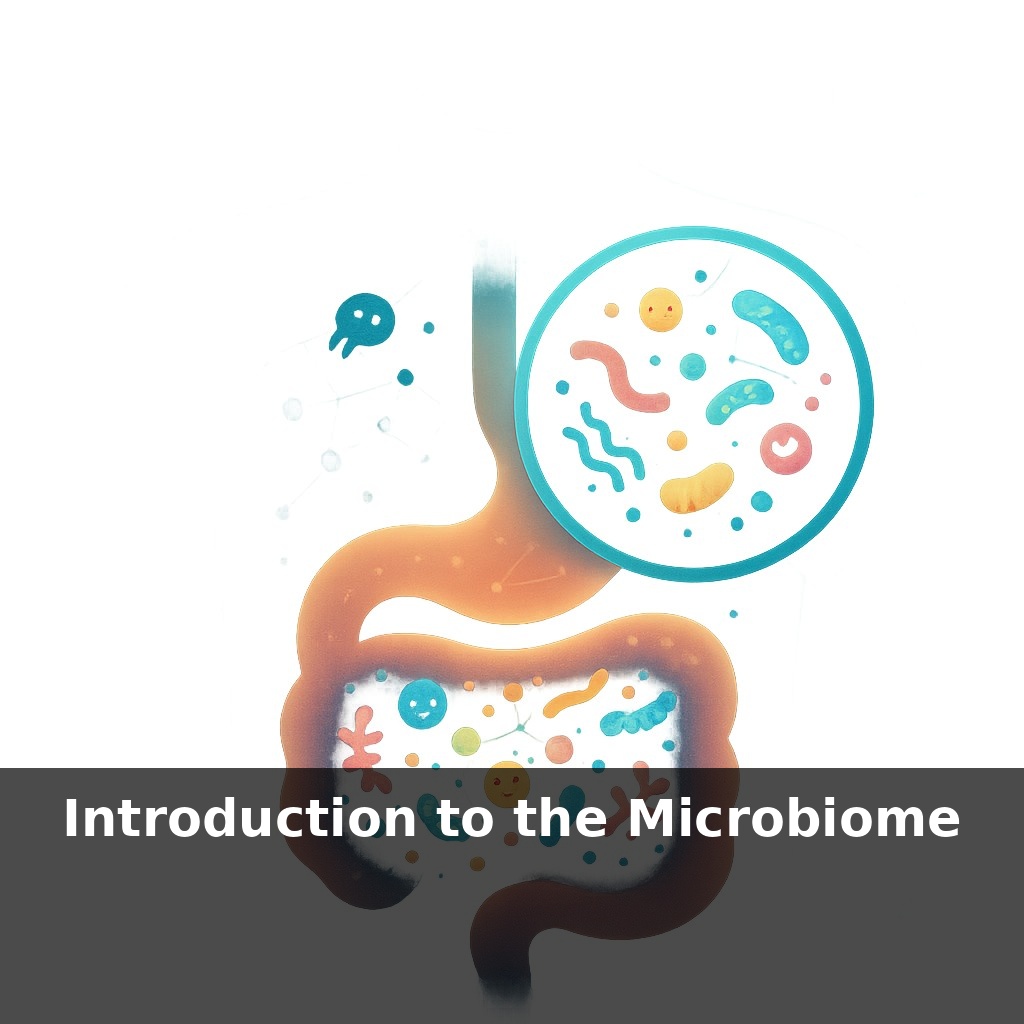
Right now, as you listen, there are more microbes living in your body than there are people on Earth. You’re not just a human; you’re an entire ecosystem on two legs. In today’s episode, we’ll zoom in on this hidden world—and why your health depends on its balance.
Most of this hidden world lives in your gut, packed into a space only a few meters long. Yet this “neighborhood” helps decide how efficiently you extract calories, which vitamins you can make, and how strongly your immune system reacts to daily threats. Some residents specialize in chewing through tough plant fibers; others excel at turning food into short-chain fatty acids that quietly support your gut lining and even help regulate inflammation.
Researchers can now read the genetic barcodes of these communities, revealing who’s there and what jobs they’re doing. Patterns keep emerging: people with similar diets, environments, and medications tend to host similar microbial lineups. Shift any of those inputs, and the lineup changes. Sometimes that shift is helpful—other times, it nudges you toward trouble long before symptoms appear.
Think of these microbes as participants in a constantly shifting marketplace. New “traders” arrive with every meal, handshake, pet, and antibiotic course; others go bankrupt and disappear. Some species thrive on whole grains and beans, others on emulsifiers and added sugars. As their fortunes rise and fall, they crank up or dial down thousands of molecules that circulate through your bloodstream—signals that can tweak appetite, insulin sensitivity, even how quickly you bounce back from stress. And unlike your human genome, this marketplace can be reshaped, sometimes in days, by your daily choices.
At first glance, the microbiome sounds like a niche topic—interesting for scientists, maybe, but distant from daily life. Yet traces of it show up in places you wouldn’t expect: in how hungry you feel after the same breakfast as your friend, how you respond to a vaccine, even how you handle a round of antibiotics. Those trillions of tiny genomes add up to what many researchers now call a “second genome”—one that can change far faster than your human DNA.
One way scientists study it is by looking at what happens when things go dramatically wrong. Recurrent C. difficile infections are a stark example: people can be trapped in cycles of severe diarrhea that resist standard treatment. Transferring stool from a healthy donor into their colon—fecal microbiota transplantation, or FMT—often stops the infection when antibiotics cannot. What changes isn’t just the presence of one “good” microbe. It’s the re‑establishment of an entire community structure: new species move in, others are pushed out, and chemical traffic in the gut shifts almost overnight.
Zooming out from extreme cases, subtler shifts in that community show up in common conditions. Large population studies find distinct microbial patterns in obesity and type‑2 diabetes: certain species become more abundant, others fade, and the collective genes involved in processing carbohydrates and fats look different. In inflammatory bowel disease, diversity tends to drop, while microbes that thrive on oxygen or inflammation‑related byproducts expand. None of these signatures perfectly “diagnose” a disease yet, but they hint that the microbiome is part participant, part early warning signal.
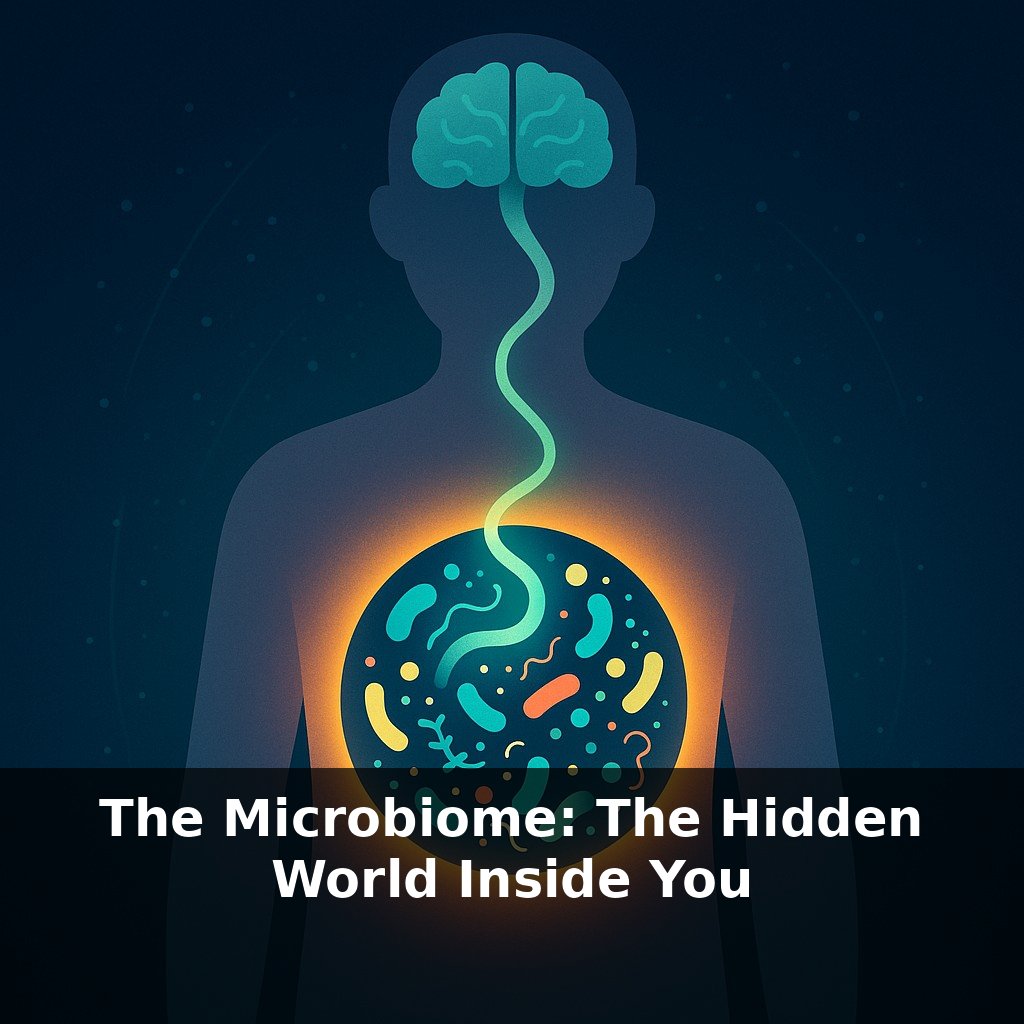
Then there’s the gut–brain axis. Microbes manufacture or modify molecules that can influence neurotransmitters, stress hormones, and the immune signals that reach the brain. In animal studies, altering gut communities can shift anxiety‑like behaviors or social interactions. In humans, links are emerging between microbial patterns and depression, irritable bowel syndrome, and some neurodevelopmental conditions. The causality is complex and bidirectional—stress can reshape microbes, and microbes can feed back on stress—but the old idea that the gut is just a passive tube is clearly outdated.
Daily choices feed into this loop. A heavily processed, low‑fiber diet tends to favor different organisms than a diet rich in varied plants and fermented foods. Sleep disruption, chronic stress, and certain medications—especially repeated broad‑spectrum antibiotics—can push communities toward less diverse, more fragile states. On the flip side, dietary variety, time outdoors, contact with soil and animals, and judicious use of medications appear to support richer microbial networks.
All of this reframes a basic question: when you make a lifestyle change, are you only changing “you,” or are you also re‑programming the microbial software that runs alongside your own biology?
Think of your microbial “second genome” more like a software platform than a single app. Different “programs” can be installed or uninstalled depending on how you live. A long-haul trucker grabbing fast food at odd hours is likely running a very different microbial setup than a farmer who spends days outdoors and eats from their own garden. Over time, these distinct setups can tune how each person reacts to the same snack, the same stress, even the same medication.
Researchers see this when identical twins grow up and diverge in diet, sleep, and environment: their human DNA stays the same, but their microbial profiles gradually drift apart. One twin may respond well to a high‑carb diet; the other might see sharper blood‑sugar spikes from that exact meal.
This is also why “universal” nutrition tips often fall flat. A yogurt that benefits one person might do very little for another, depending on which microbes are already present and what “jobs” they’re prepared to take on when new foods arrive.
Those trillions of tiny partners may soon shape decisions that feel far from biology. Instead of one-size-fits-all food pyramids, you might get meal plans tuned like custom playlists, shifting with travel, stress, or aging. Pharmacists could adjust drug type and timing based on how your microbes handle compounds, the way financial advisors weigh risk. Even city planning—green spaces, pollution limits, wastewater rules—may quietly evolve around what best supports these hidden collaborators.
Soon, your “check engine” light might live in an app that reads patterns from your stool or breath, flagging issues before blood tests ever change. Think of menus that adapt like navigation apps—rerouting based on your current microbial traffic. We’re early in this journey, but treating these signals as data, not destiny, could open more personalized paths to feeling well.
Before next week, ask yourself: 1) “If I honestly look at what I ate yesterday, how much of it actually fed my gut microbes—could I add one extra serving of a plant food (like beans, oats, garlic, or leafy greens) at a specific meal tomorrow?” 2) “Which daily habit of mine (late-night snacking, frequent antibiotics in the past, lots of ultra-processed foods, sugary drinks, etc.) might be quietly working against my microbiome, and what’s one realistic swap I’m willing to try for just the next 3 days?” 3) “How does my body feel (energy, digestion, mood) on a day when I get some fiber-rich, minimally processed foods and maybe a short walk after a meal—could I intentionally repeat that combination one day this week and notice what changes?”
From this course
The Microbiome: The Hidden World Inside You
8 episodesUnlock all episodes
Full access to 8 episodes and everything on OwlUp.
Subscribe — $1.99/monthLess than a coffee ☕ · Cancel anytime