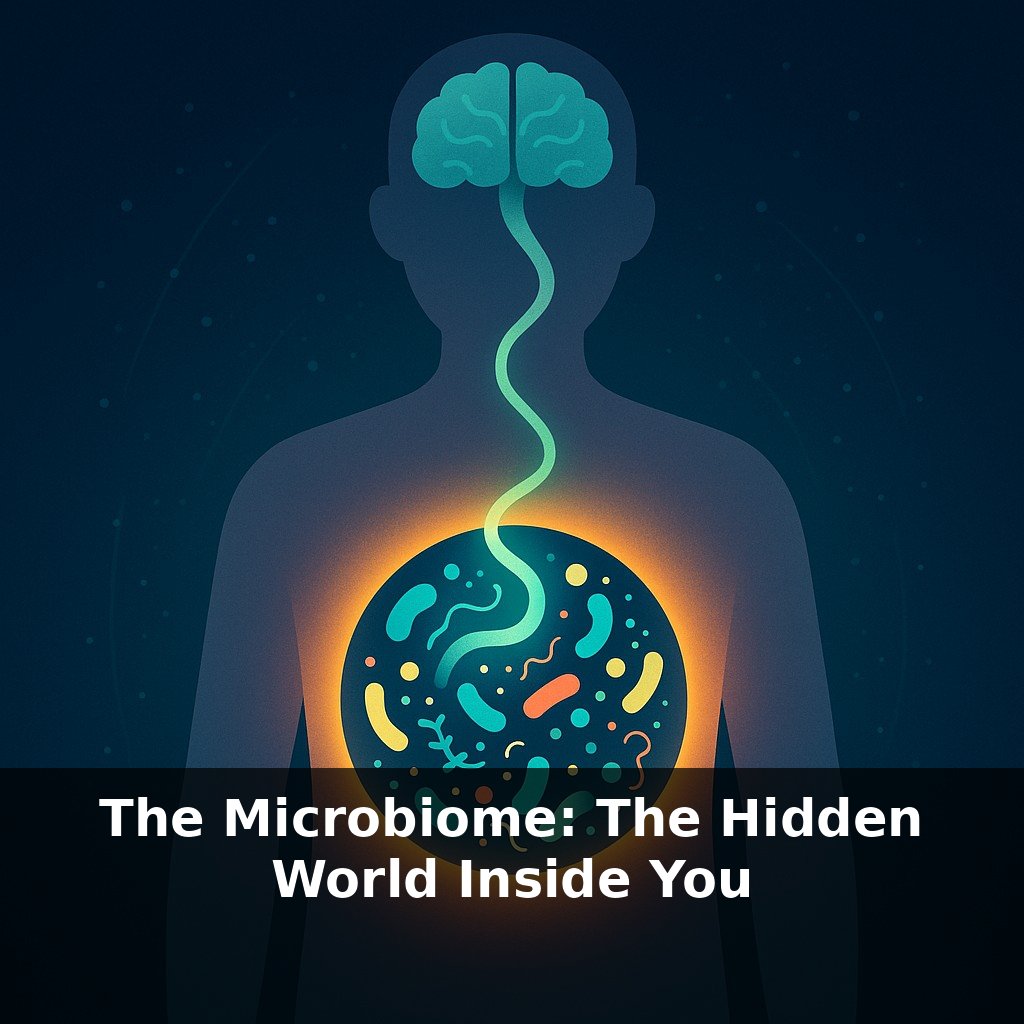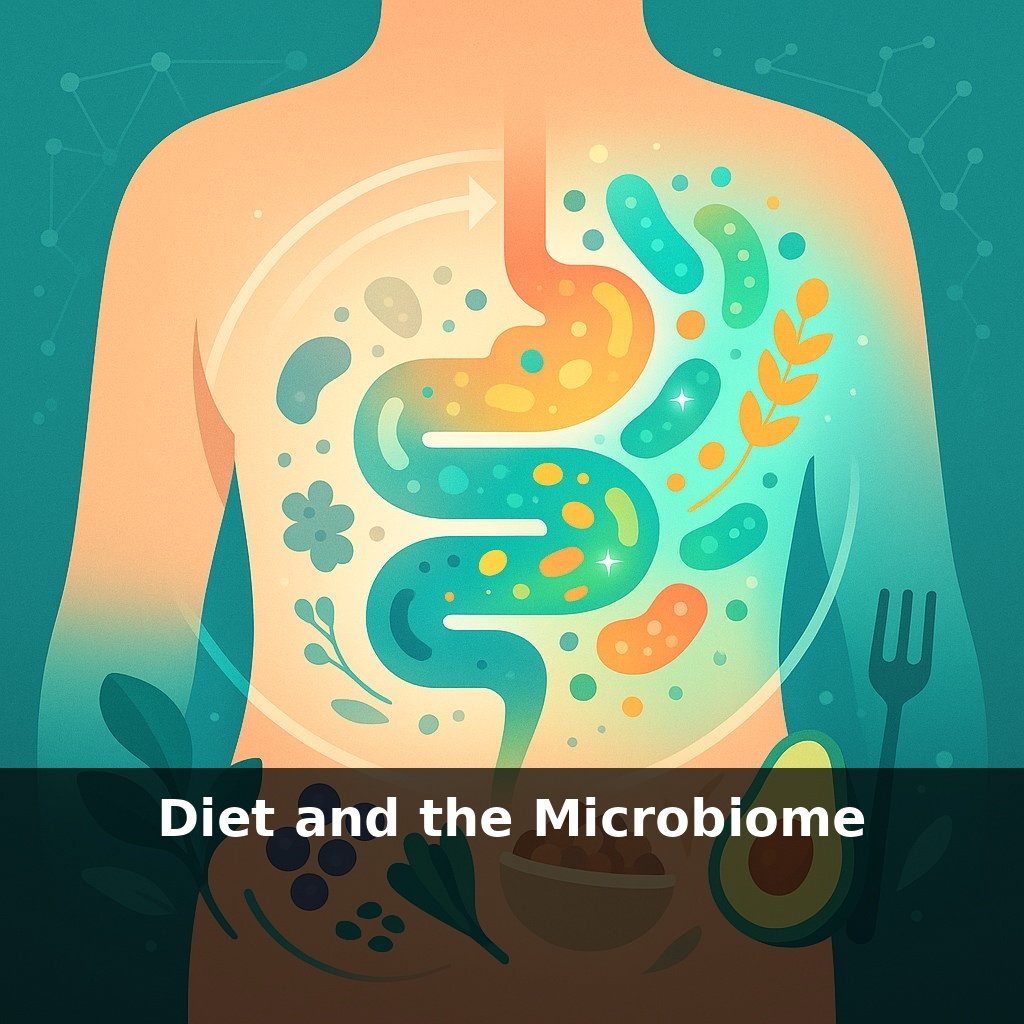
Right now, you’re only about two or three meals away from renovating your gut. Change what you eat today, and by this time tomorrow an entire cast of microscopic species may have appeared, vanished, or flipped roles—without you feeling a single thing in your stomach.
If you eat like most people in industrialized countries, your gut community is living on a kind of permanent “budget cut.” Typical fiber intake in the U.S. hovers below 15 grams per day—about half of what global health agencies recommend. That shortfall doesn’t just affect digestion; it starves the microbes that turn fiber into short-chain fatty acids, including butyrate, one of the main fuels for cells lining your colon. When butyrate drops, those cells lean more on backup energy sources, and low-grade inflammation can start to smolder. Meanwhile, patterns heavy in ultra-processed foods, saturated fats, and added sugars shift the balance toward species linked with obesity and insulin resistance. In stark contrast, populations like the Hadza, eating roughly 100 grams of varied plant fiber daily, show some of the most diverse gut ecosystems ever measured.
Think of today’s topic as zooming out from individual nutrients to the whole “food pattern” your microbes experience across days, weeks, and seasons. Instead of focusing only on single superfoods or villain foods, we’ll look at the overall rhythm: how often you eat plants versus animal products, how regularly fermented foods show up, and how much your menu repeats itself. Research suggests your microbes respond less to one heroic salad and more to the recurring playlist of meals you rotate through—both the diversity and the repetition matter for which species stay, leave, or thrive.
On a day-to-day basis, your microbes are less interested in nutrition labels and more interested in what actually arrives in the lower gut, intact. That means the biggest levers you have are: how much undigested plant material makes it past your small intestine, how monotonous your choices are, and whether you routinely send them living cultures to mingle with.
One of the most consistent findings from large microbiome projects is that people who eat the widest range of plant foods each week tend to host the widest range of microbial species. In one American Gut Project analysis, those eating thirty or more different plant foods per week had notably richer and more resilient communities than those eating ten or fewer. “Plant foods” here isn’t just salad greens; it includes vegetables, fruits, whole grains, beans, lentils, nuts, seeds, herbs, and spices. Variety matters because different microbes specialize in different molecules: some are great at chewing through resistant starch from cooled potatoes or rice, others at pectin from apples, others at inulin from onions and garlic.
Fermented foods layer on a different kind of diversity. Yogurt, kefir, kimchi, sauerkraut, miso, certain cheeses, and other traditionally fermented items deliver live or once-live microbes plus the metabolites they produce while fermenting. A Stanford trial that compared a high-fiber diet to a high–fermented food diet found that the fermented group showed a clear increase in overall microbial diversity and a decrease in multiple markers of inflammation over ten weeks. The fiber group still benefited, but the changes in diversity were more modest and person-specific—suggesting that, in some guts, fiber may need “helpers” already on-site to unlock its full effects.
Another underappreciated factor is how tightly you repeat the same meals. Your microbes adapt to your “house style.” If breakfast, lunch, and dinner cycle through the same few ingredients, you tend to cultivate specialists for that narrow menu while other potential allies fade. This isn’t automatically bad—consistency can stabilize useful species—but it can leave your system less flexible when your diet or health status shifts. A pattern that mixes familiar staples with rotating plant and fermented options seems to support both stability and adaptability.
Finally, not all products marketed as “probiotic” meaningfully change this ecosystem. Effects depend on strain, dose, and whether your existing microbes make room for the newcomers. In multiple studies, the most durable shifts came from whole-diet changes, with targeted probiotics playing a supporting, not starring, role.
Consider two people with nearly identical genetics and jobs. One rotates through chickpea stew, oatmeal with flax, colorful stir-fries, and kimchi-topped rice bowls in a typical week. The other leans heavily on white bread sandwiches, chicken, cheese, and the same two vegetables on repeat. Over months, stool tests often show the first person carrying a broader “toolkit” of enzymes for breaking down unusual plant compounds, while the second’s microbes are optimized for a narrow band of inputs—and may produce more byproducts tied to metabolic stress when the menu leans heavy on refined starch and animal fat.
Here’s where it gets interesting: change the second person’s lunch three days a week—say, swap in a black bean salad with corn, cilantro, avocado, and pumpkin seeds, plus a side of live-culture yogurt—and you can sometimes detect new bacterial genes within weeks, even if body weight barely moves. It’s like upgrading software in the background: nothing dramatic on the surface, but the system quietly gains extra capabilities and safety checks.
Within a decade, your menu could be “co-designed” with your microbes. Labs are already testing AI systems that read your microbial profile and spit out meals tuned to your blood sugar, mood, even sleep. Instead of generic diet advice, you’d get tweaks as personal as a tailored playlist. Postbiotic pills might supply key microbial products when diet or illness falls short. And as governments push fiber-rich, lower-waste food systems, the same choices that steady your gut may also steady the climate.
Your daily menu is closer to a lab dial than a fixed identity: each tweak sends new instructions downstream. Future tests may show which breakfasts tame your glucose spikes or which dinners calm your gut after travel. For now, think in weekly patterns, not single meals—small, steady upgrades can steer your microbes long before any diagnosis or diet label appears.
Before next week, ask yourself: 1) “If I had to add just **one new high-fiber, microbiome-friendly food** (like lentils, oats, or fermented veggies) to something I already eat today, what would be easiest and actually sound good?” 2) “Looking at my usual snacks and drinks, where am I getting the most **ultra-processed foods or added sugars**, and what’s one realistic swap (e.g., yogurt with berries instead of a sweetened bar, sparkling water instead of soda) I’m willing to try this week?” 3) “What is one **meal this week** where I can ‘feed my microbes’ on purpose—by adding at least **3 different plant foods** (like beans, leafy greens, nuts, herbs, or whole grains)—and what would that meal look like in my real life?”