Right now, your next mood swing might be brewing—not in your brain, but in your gut. A “second brain” with more neurons than your spinal cord is quietly tracking what you eat, how you sleep, and how stressed you feel… and sending secret status updates upstairs.
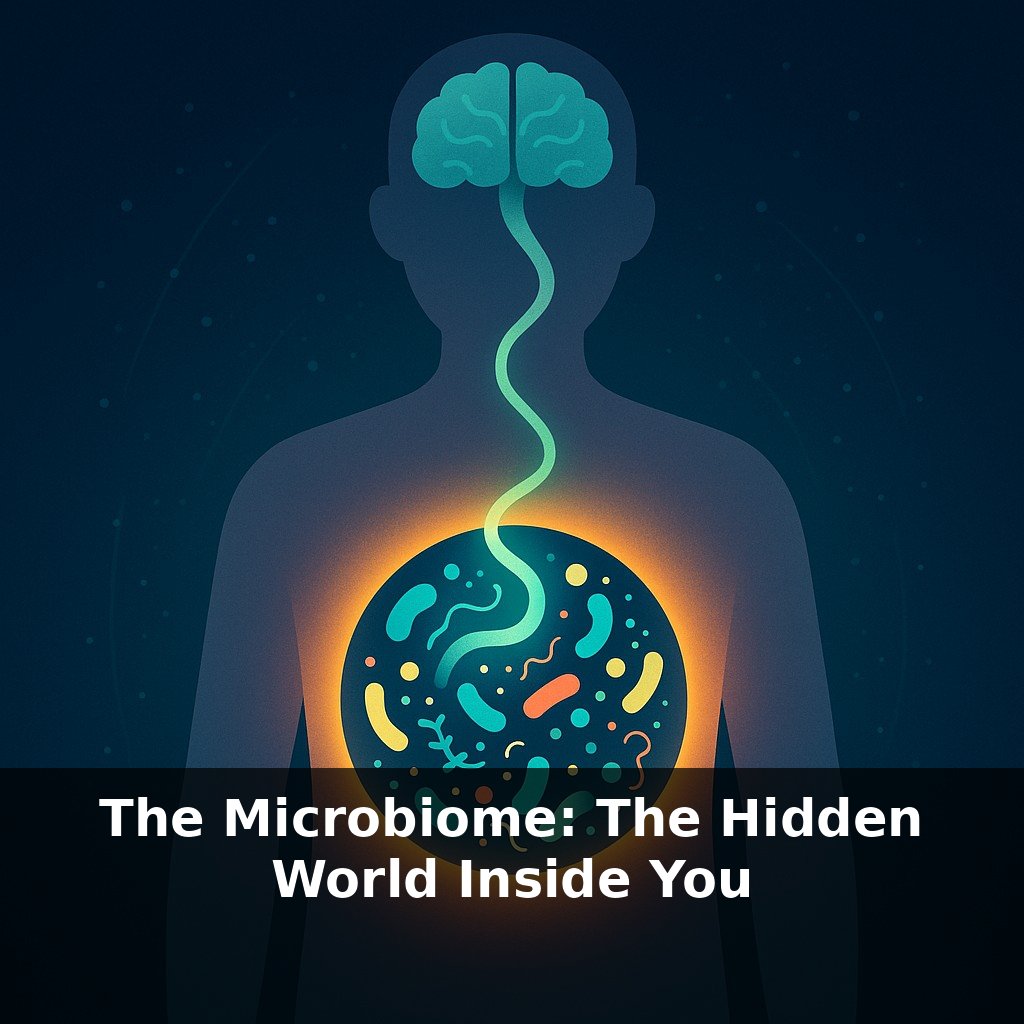
Thirty‑eight trillion tiny roommates don’t just digest your lunch—they help script your inner monologue. As scientists map this gut–brain conversation, a striking pattern keeps appearing: shift the microbes, and behavior, stress chemistry, even pain perception can shift too. In germ‑free mice, stress hormones spike about 40 %, and only calm down once their gut is repopulated. In people with IBS, a single probiotic strain has cut depression scores by nearly a quarter.
This isn’t mystical “trust your gut” talk; it’s biochemistry. Microbes nudge immune cells, tweak hormones, and help generate serotonin and dopamine precursors along your intestinal lining. Over time, that biochemical “accent” can color how you wake up, focus, and wind down. And, crucially, the line of communication runs both ways: your late‑night doomscrolling, rushed meals, and chronic stress feed back into this system, teaching your microbes what kind of world they should prepare you for.
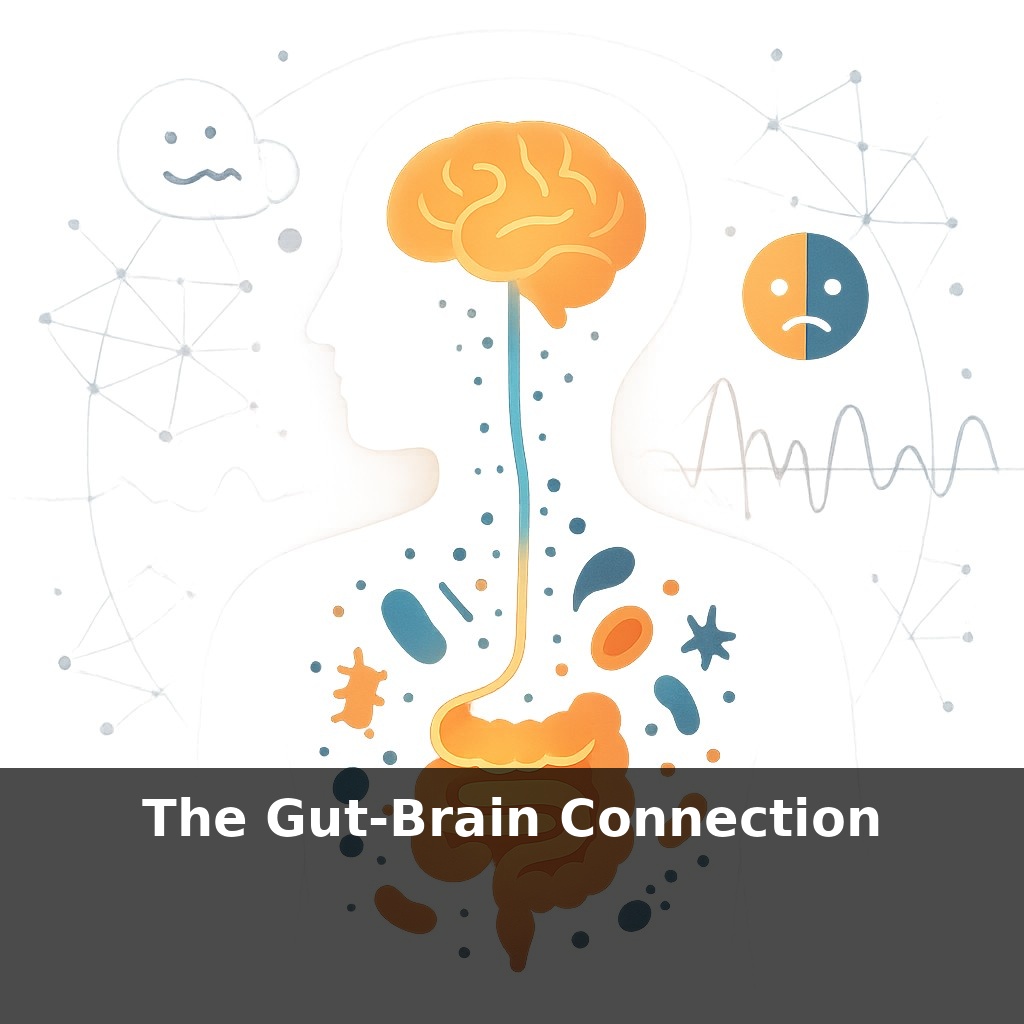
Your gut and brain don’t just “chat” in crises; they’re in constant background negotiation. The vagus nerve ferries real‑time status reports about digestion, while immune cells act like security guards flagging potential threats. At the same time, gut cells release hormones that tweak appetite, alertness, even how rewarding food and social contact feel. Over days and weeks, these tiny nudges can shift your baseline: how reactive you are to email pings, how easily you fall asleep, how intensely you crave comfort foods after a hard day. Change the signals, and over time, you can change the defaults.
Most of the signals your brain receives from the gut aren’t dramatic alarms; they’re quiet, cumulative nudges. And they travel along several different “channels,” each carrying its own kind of information.
One channel is neural: fibres in the vagus nerve constantly sample what’s happening in the intestinal wall and relay that upstream. Subtle changes in how quickly food moves, how inflamed the lining is, or how much gas is being produced can alter the frequency and pattern of those signals. In brain regions tied to emotion and threat detection, that can shift you a notch more vigilant or a notch more relaxed—without you linking it to anything you just ate.
Another channel is immune. Cells stationed along the intestinal lining are perpetually deciding what’s harmless and what looks dangerous. When they lean “danger,” they release messengers like cytokines that can cross‑talk with brain cells and, over time, push you toward fatigue, low motivation, or that “brain fog” people describe when they’re run‑down. Even low‑grade, chronic activation can slowly reshape how responsive your stress circuits are.
A third route is metabolic. Gut microbes break down fibres and other leftovers into short‑chain fatty acids, vitamins, and small molecules that slip into circulation. Some of these products can reach the brain or influence the blood‑brain barrier, tilting how excitable neurons are, how well they form connections, or how your sleep–wake cycle is tuned. Others tweak appetite hormones, steering when you feel compelled to snack and how rewarding those snacks feel.
Layer hormonal signals from gut cells on top—peptides that can reach areas controlling hunger, satiety, and even social behaviour—and you end up with something like a constantly updating budget in personal finance: every meal, night of sleep, and stressful commute is another entry in the ledger, gradually pushing your system toward surplus (resilience) or deficit (vulnerability). Change enough of those daily entries, and the running total your brain sees can drift toward calm focus or toward chronic tension and low mood.
Think of your gut as a bustling city whose citizens generate newsletters, tweets, and emergency sirens that the mayor’s office constantly monitors and reacts to. A spicy late‑night takeout, for instance, might not just mean heartburn—it can subtly change microbial “headlines” by morning: a bit more inflammatory tone, a shift in which nutrient byproducts circulate, a tweak in how rested or wired you feel getting out of bed.
Zoom out to weeks: a fibre‑rich breakfast habit is like funding public transit in that city. Traffic (digestion) flows more smoothly, emergency alerts (immune flares) are rarer, and the mayor’s office gets calmer daily reports. In clinical studies, people who consistently eat diverse plant foods often show lower markers of systemic inflammation and report steadier energy and fewer “crash” moments across the day.
On the flip side, long, chaotic workdays with rushed meals can train this system toward constant yellow alert—subtle, but enough to shift your baseline from “curious and open” toward “tense and guarded” without a single dramatic event.
If this “hidden dialogue” becomes routine medicine, mental check‑ups might look more like ecosystem audits than symptom checklists. Stool reports could sit beside blood tests, flagging patterns linked to focus, resilience, or sleep quality. Therapists might collaborate with dietitians to fine‑tune your internal chemistry using food, targeted bacteria, or even precision fibres. The bigger implication: caring for your mind may increasingly start with how you feed and steward your inner community.
You don’t have to overhaul your life to tap this network; even small, repeatable choices can matter. Think of swapping one snack, protecting one extra half‑hour of sleep, or taking a short walk after meals as adjusting dials on a soundboard. Over days and weeks, those tiny volume shifts can re‑tune how your inner signals feel when they finally reach your thoughts.
Before next week, ask yourself: 1) “When I pay attention after meals, which specific foods seem to leave me mentally foggy, anxious, or low, and which ones (like fermented foods, fiber-rich veggies, or omega‑3‑rich fish) seem to leave me clearer and calmer?” 2) “If I experimented for just three days with a ‘gut-friendly’ breakfast (for example, swapping sugary cereals for oats with berries and yogurt or kefir), what changes do I notice in my mood, focus, and stress levels by midday?” 3) “Looking at my current stress habits—doom-scrolling, late-night emails, constant snacking—what’s one simple nervous-system-soothing swap (like a 5-minute walk, deep breathing before meals, or a consistent bedtime) I’m willing to try and then honestly observe how my digestion and mood respond?”