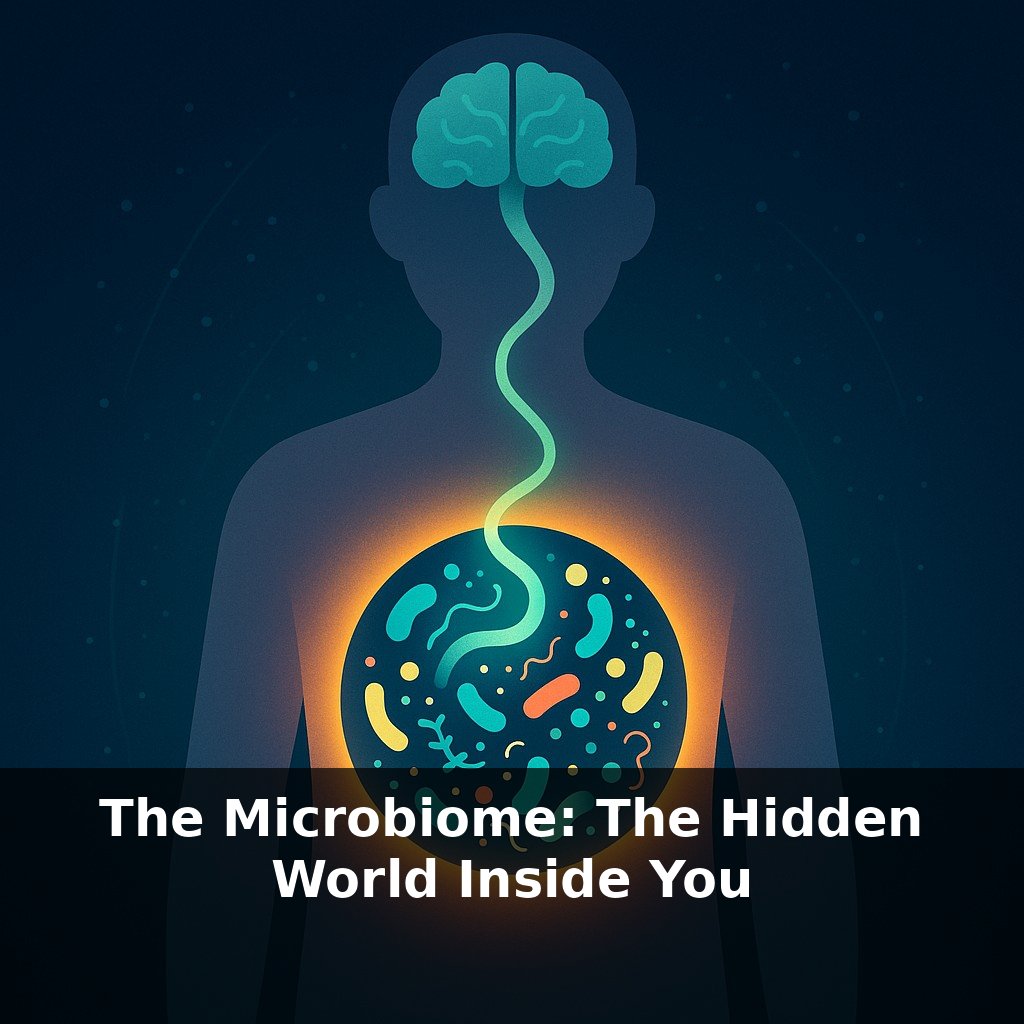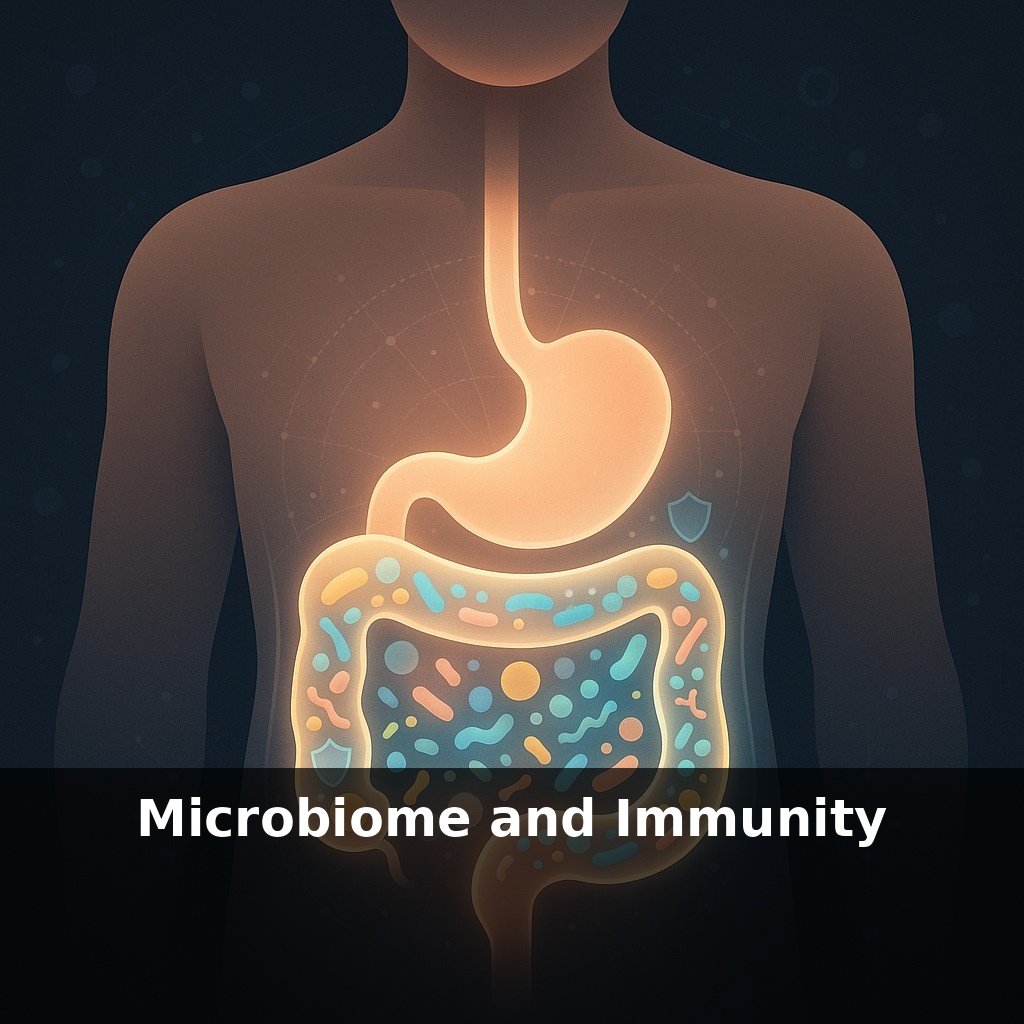
Right now, most of your immune system is sitting in the dark, lining your gut, quietly taking notes on every bite you eat. A tiny shift in which microbes show up to that daily roll call can decide whether you shrug off a virus—or spend a week flat in bed.
About 70% of your immune cells are stationed right along your intestinal wall, shoulder‑to‑shoulder with an estimated 38 trillion microbial neighbors. That’s not an accident—it’s a long‑term co‑working agreement. These immune cells constantly “read” microbial signals to decide what counts as a threat, what’s safe, and how aggressively to respond.
When that daily conversation is rich and varied, the system tends to stay calm but prepared. When it gets one‑sided—after a course of broad antibiotics, months of ultra‑processed food, or a nasty infection—the script can flip. The same defenses meant to stop an invader can start overreacting to pollen, food proteins, or even your own tissues.
In this episode, we’ll explore how specific microbial byproducts, medical interventions, and early‑life exposures quietly steer that balance toward resilience—or fragility.
Think of this episode as zooming out from individual “good” or “bad” bugs and looking at the whole system that keeps them in check. One big player is diet‑dependent fermentation: when fibers reach the colon, residents turn them into small fatty acids that seep into local tissues and even circulation, nudging how reactive or tolerant your defenses become. Another is timing: the first months of life appear to function like a training camp, where early disruptions may leave lasting “notes” in immune memory, shaping how you respond to pollen, food, and vaccines years later.
At the molecular level, one of the loudest “voices” your gut residents use to influence defenses is a family of molecules called short‑chain fatty acids—acetate, propionate, and especially butyrate. These aren’t sprinkled onto your food; they’re built on‑site when certain microbes ferment fibers you can’t digest. From there, they don’t just sit in the colon. They’re absorbed, drift into nearby tissues, and even reach the bloodstream, where they quietly tweak how alert—or irritable—your immunity becomes.
Butyrate is a good example of how targeted these effects can be. In animal studies, higher butyrate levels can boost the number of regulatory T cells—those are the peacekeepers that tell other defenders when to stand down—by impressive margins. That kind of shift isn’t about making the system “stronger” in the cartoon sense of blasting germs; it’s about making responses more proportional, so you’re less likely to turn a minor trigger into a full‑blown inflammatory storm.
This tuning shows up in vaccine responses, too. Several studies now suggest people with richer, fiber‑fed gut communities develop more robust antibody levels after certain shots. It’s as if a well‑trained internal review board is better at learning from a small, controlled exposure and filing that memory efficiently.
On the flip side, broad antibiotics don’t just knock back one troublemaker; they can strip away entire guilds of fiber‑fermenters for months. That loss can leave fewer SCFAs on the table and more ecological vacancies that opportunists—and sometimes pathogens—rush to fill. The link between early antibiotic courses and later asthma fits this pattern: disrupt the training environment during a critical window, and you may end up with a jumpier, less discriminating response profile that persists.
Fecal microbiota transplantation sits at the other extreme. In stubborn C. difficile cases, simply restoring a fuller, more functional community succeeds far more often than yet another drug. It’s a reminder that, sometimes, the most powerful “immune therapy” is rebuilding the ecosystem that’s been quietly coaching your defenses all along.
A common place you see these ideas play out is allergy season. Two people walk through the same cloud of pollen; one barely sniffs, the other needs antihistamines all week. Their genes matter, but so does what’s been living in their colon and what that community has been fed. In cohorts where people eat more diverse plant foods, researchers often find fewer seasonal allergy symptoms and lower markers of chronic inflammation, hinting that day‑to‑day food choices can subtly shift how “trigger‑happy” those defenses are.
Travel offers another window. After a few days in a new country—new water, new spices, new microbes—some people feel off, while others adapt quickly. Studies of travelers show that those whose internal communities rebound faster after the initial jolt tend to report fewer gut issues and less lingering fatigue, suggesting that resilience isn’t only about avoiding disruption, but about how quickly a shaken ecosystem can re‑stabilize once the disturbance passes.
A future where doctors adjust vaccines after checking your stool sample isn’t far‑fetched. Trials already hint that certain bacterial “signatures” track with better flu and COVID shot responses, like a coach knowing which players are fit for extra training. Policy may follow: pressure to curb farm antibiotics, redesign processed foods, even seed buildings with healthier indoor microbes—treating microbial diversity as shared infrastructure, not just a private health choice.
So the next time you think about “boosting” defenses, zoom out. The question isn’t just how to block the next germ, but how to keep this training ground adaptable—more like a well‑tended forest than a fortified wall. As research grows, expect more tools that don’t simply fight invaders, but quietly upgrade the terrain they’re landing on.
Before next week, ask yourself: 1) “Looking at what I actually eat in a typical day, where can I realistically add 5–10 different plants (like beans, onions, berries, nuts, herbs, or fermented foods) to better feed my gut microbes?” 2) “If I picked just one ‘immune-supporting’ habit from the episode—like getting 7–9 hours of sleep, taking a daily walk outside, or swapping an ultra-processed snack for yogurt with fruit—what would be easiest for me to start today and stick with all week?” 3) “When I’m stressed this week, what’s one quick, microbiome-friendly reset I can try—such as a 5-minute breathing break before eating, a short walk after a big meal, or stopping screen time 30 minutes before bed—and how does my body feel afterward?”