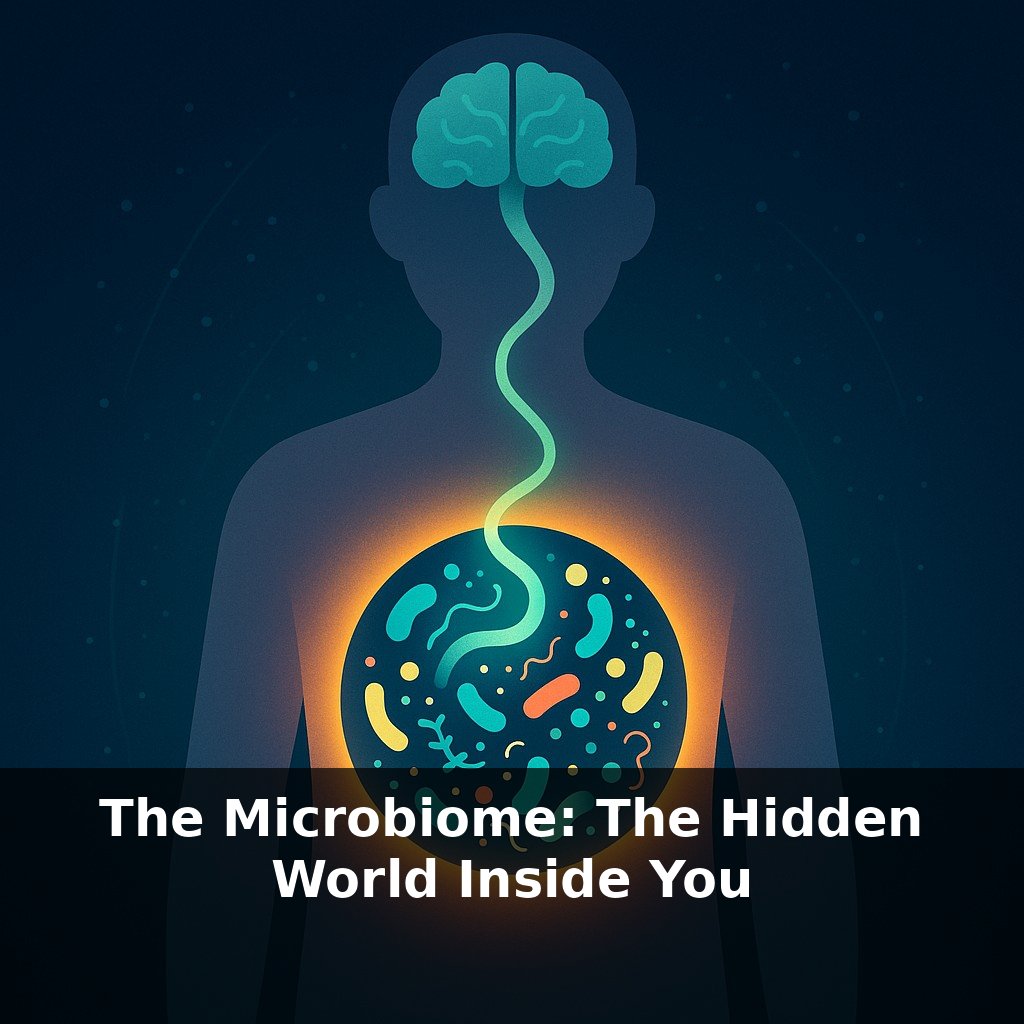
Right now, the genes inside your microbes outnumber your human genes by about one hundred to one. Yet most medical tests ignore them. In this episode, we’ll step into that blind spot and ask: what if the next big “organ” doctors treat… isn’t actually human at all?
About 10% of the small molecules circulating in your blood were manufactured by microbes you’ll never meet—and yet they’re quietly steering your appetite, training your immune cells, and even nudging your mood. In research labs, this chemical chatter is finally coming into focus. DNA sequencing has revealed a staggering 3.3 million microbial genes working alongside your own, and scientists are starting to read their signatures like lab reports.
This is where the microbiome stops being a background character and starts looking like a programmable system. Fecal microbiota transplants are rescuing patients from recurrent C. difficile when antibiotics fail. New live biotherapeutics, like the FDA‑approved SER‑109, attempt the same rescue with defined microbial capsules instead of donor stool. And on the horizon: diagnostics that might flag disease risk not from your DNA, but from the shifting code of your resident microbes.
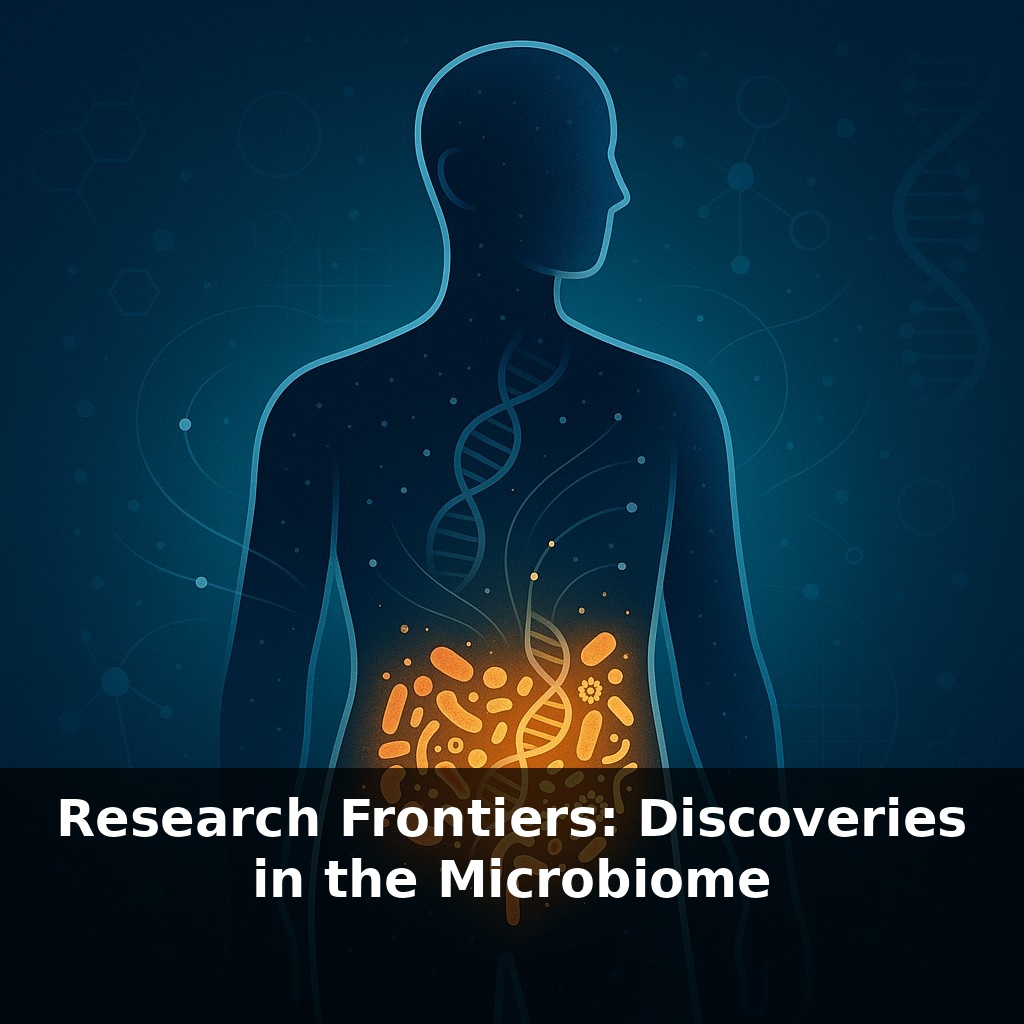
Researchers are now treating that hidden microbial “system” less like a black box and more like code they can debug. Instead of only asking which species are present, they’re tracking what those species are actually doing—what chemicals they make after you eat, sleep poorly, or take a drug. Early studies show some blood‑pressure meds, cancer therapies, and even common painkillers are partly activated or inactivated by gut residents. In clinical trials, doctors are starting to pair drugs with specific microbial patterns, like matching a key to the right lock, to boost response and cut side‑effects.
Step into a current clinical trial, and you’ll see how fast this “hidden system” is turning into something doctors actively tune. A patient with melanoma sits down for immunotherapy—drugs that tell immune cells to attack tumors. At some centers, before the first infusion, researchers also sequence the patient’s gut. Why? Because multiple studies have found that certain microbial patterns predict who will respond dramatically and who will barely respond at all. In early experiments, transferring stool from “super‑responder” patients into non‑responders has sometimes shifted that outcome, as if borrowing someone else’s immune training manual.
This is one frontier: using microbial profiles to stratify patients—who needs extra monitoring, who might benefit from add‑on microbial therapies, who may avoid a toxic drug that their microbes would mis-handle. Another frontier pushes earlier in time: risk prediction. In type 1 diabetes, babies who later develop the disease often show microbiome changes months or years before blood sugar goes awry. Similar “early warning” signatures are being mapped for inflammatory bowel disease, colorectal cancer, even some mood disorders.
The hardest part is moving from correlation to causation. To test whether a microbe is merely a bystander or an active driver, researchers transplant defined communities into germ‑free mice, tweak single genes inside those microbes, or track specific metabolites in human blood over time. When changing one microbial pathway reliably nudges disease markers, it graduates from interesting signal to potential target.
Next‑generation probiotics and live consortia are built from that kind of work: not random “good bacteria,” but strains chosen for precise jobs—lowering a liver toxin, boosting a cancer drug, stabilizing a leaky gut barrier. Think of it less as “more diversity is good” and more as a carefully balanced portfolio, where adding or removing the wrong asset can change the whole risk profile.
A useful way to grasp this new phase is to watch how “microbial code” is starting to shape everyday clinical decisions. In oncology, some centers now biobank stool and blood before treatment, the way they once only banked tumor tissue. If a patient’s microbial pattern matches past “non‑responders,” a trial might add a targeted consortium designed to boost specific immune‑signaling molecules.
In metabolic clinics, researchers are piloting glucose‑monitoring studies where two people eat the same meal but see very different blood‑sugar curves—and then trace those curves back to distinct microbial enzymes that process fibers, fats, or sweeteners differently.
In mental‑health research, teams are following volunteers over months, pairing mood‑tracking apps with repeated microbial and metabolite readouts to see whether shifts in certain microbial pathways consistently precede dips into depression or anxiety—and whether gently nudging those pathways can blunt the slide.
Soon, your health record may include a “microbial balance sheet,” tracking which pathways earn interest—making vitamins, calming inflammation—and which rack up debt, like ones churning out harmful metabolites. AI could flag when this ledger tilts toward risk, long before symptoms surface. For astronauts or people in polluted cities, tuning this internal economy might become as routine as adjusting a retirement portfolio to weather a storm.
We’re still early in learning how far this tuning can go. The same way weather apps turned raw satellite data into daily forecasts, routine sequencing could turn today’s obscure readouts into tomorrow’s check‑engine lights. Your challenge this week: notice which habits reliably leave you feeling clearer, heavier, or wired, and treat those shifts as quiet signals worth logging.