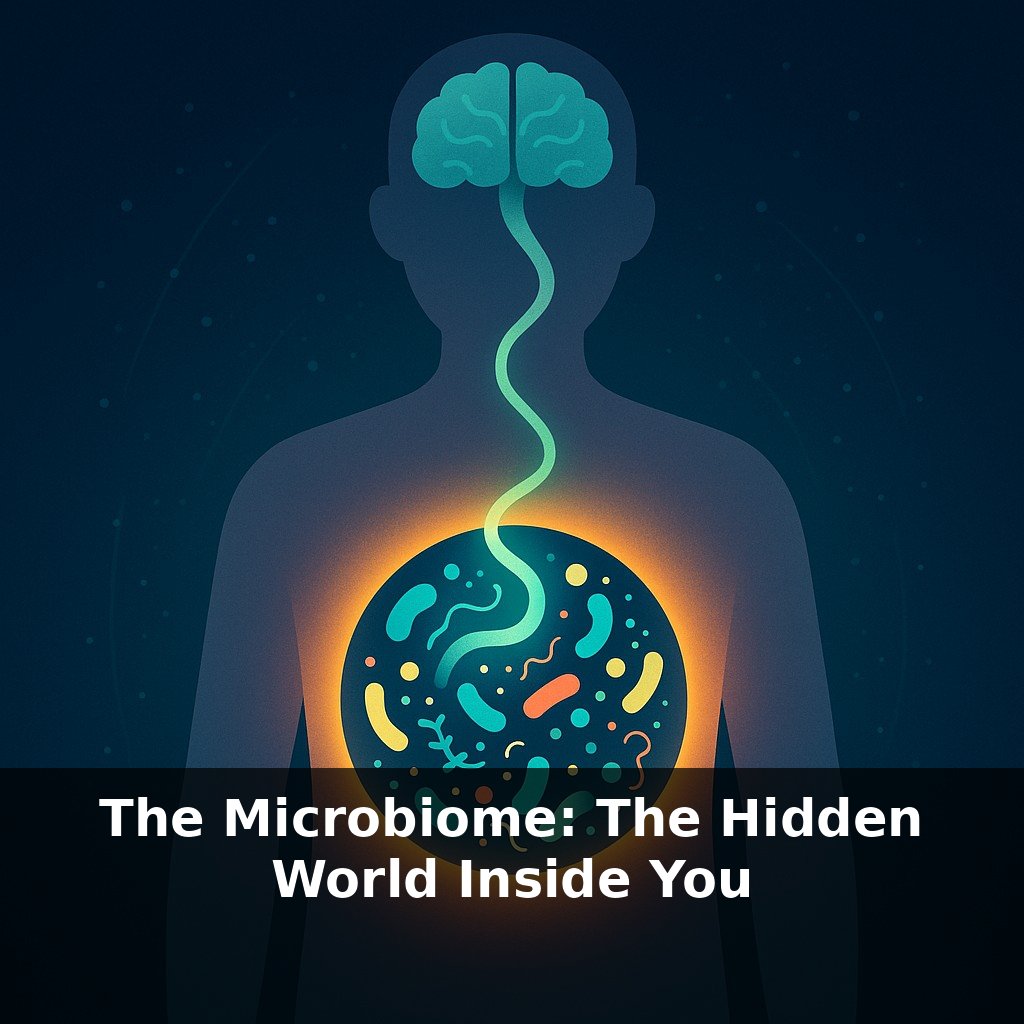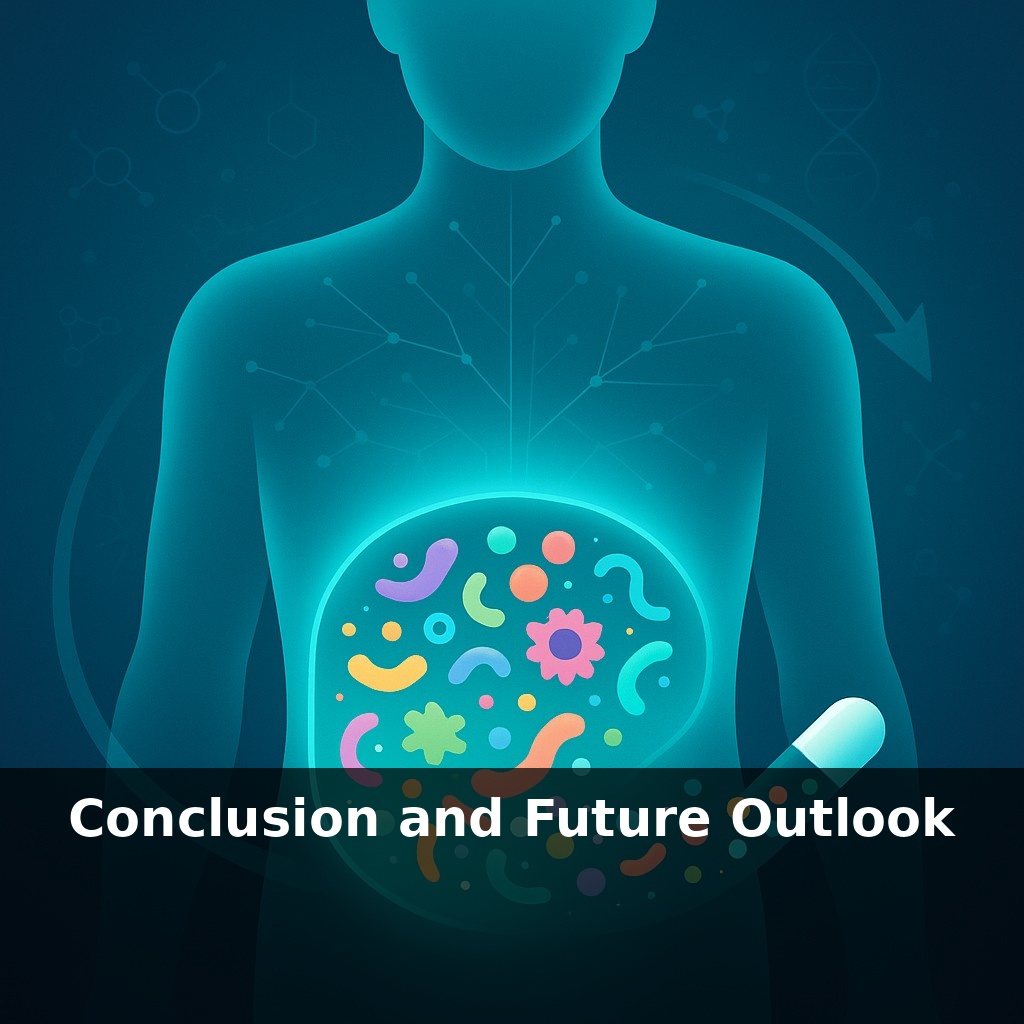
Right now, scientists are treating your gut microbes less like germs and more like a new organ. In labs around the world, people are swallowing capsules of carefully chosen bacteria—on purpose—not to cure disease today, but to rewrite how their bodies work years from now.
In just over a decade, microbiome science has leapt from “we found some weird bacteria” to clinical trials that may redefine how we think about diet, drugs, and even aging. We’re moving from taking snapshots of which species show up to decoding what they actually do—how they talk to immune cells, tweak hormones, and tune inflammation over years, not days.
This shift changes the questions we ask. Instead of only asking, “Is this food healthy?” researchers are asking, “Healthy for which microbes, at what age, and for what long‑term outcome?” It’s less about single superfoods and more about long-range strategy: how small choices now could shape your internal ecosystems for decades, just like regular deposits quietly grow in a retirement account.
In this final episode, we’ll look ahead: what’s coming, what’s hype, and how to act now—before the future fully arrives.
In labs and clinics, the next wave is about control and timing. Instead of just observing, researchers are learning how to nudge microbial activity at specific moments: before allergies develop in childhood, during pregnancy, around surgery, or while starting a new medication. Early trials are testing whether shifting microbial chemistry can soften side effects of cancer drugs, help weight‑loss efforts stick, or slow age‑related decline. At the same time, cheap sequencing is turning stool and saliva into data streams that could soon guide highly personalized nutrition plans.
Within that shift from observation to control, three big directions are emerging.
First is **precision profiling**. Instead of a single stool test with a vague “diversity score,” researchers are building panels that track specific metabolites, immune markers, and microbial genes over time. Think less “personality quiz,” more “lab-grade dashboard” that can show how your system responds when you change sleep, fiber, or medications. Large cohorts—from pregnancy registries to aging studies—are feeding machine‑learning models that may eventually flag early signals of diabetes, inflammatory flare‑ups, or mood disorders years before traditional symptoms appear.
Second is **programmable interventions**. Beyond generic probiotic mixes, companies are designing strains that carry defined functions: consuming inflammatory byproducts, making vitamins on demand, or inactivating toxic compounds from food or drugs. Some groups are testing “living biotherapeutics” that release precise molecules only in certain gut regions or under specific conditions, like low oxygen or high sugar. Others are refining microbiome transplants into standardized, shelf‑stable products rather than bespoke, clinic‑only procedures. The long‑term goal is a toolkit as nuanced as today’s pharmacology, but built on living cells.
Third is **life‑stage targeting**. Because early childhood, major hormonal transitions, and late life appear especially malleable, trials are clustering around these windows. For infants, work is focusing on shaping early colonization to lower allergy and asthma risk. For adults, projects are pairing diet algorithms with wearables and blood tests to tune metabolic responses meal by meal. Older‑adult studies are tracking whether maintaining certain microbial patterns can preserve muscle, cognition, or vaccine responses.
Alongside the excitement, caution is sharpening. Oversimplified “fix your gut in 10 days” narratives clash with evidence that durable shifts often take months and can vary wildly between people. Regulators are wrestling with how to classify and monitor live microbial products. And ethicists are asking who owns microbiome data and who will benefit if personalized interventions become expensive.
All of this points toward a future where “standard of care” quietly includes tending microbial partners—before trouble starts.
A newborn enrolled in a trial might receive a tailored blend of microbes matched to their birth mode, feeding style, and family allergy history—more like custom‑fit shoes than a one‑size‑fits‑all vitamin. A decade later, that same child, now a teen, could get a “baseline” microbiome scan alongside their sports physical, not because anything is wrong, but to track how growth spurts, stress, and changing sleep patterns are reshaping their internal chemistry.
In midlife, your annual checkup might include a stool test that helps your clinician choose blood‑pressure or cholesterol drugs with fewer microbiome‑related side effects. Instead of generic advice to “eat better,” you could see how swapping three specific foods shifts markers tied to insulin or gut‑derived neurotransmitters.
By retirement, the goal may be different: preserving resilience. Think of targeted fiber blends or live therapeutics that help you respond to vaccines, maintain muscle, or avoid hospital‑triggered microbial disruptions after surgery or antibiotics.
If this vision unfolds, “microbiome literacy” could become as basic as knowing your blood type. School lunches, city air standards, even building materials might be evaluated for how they support or erode microbial allies. Workplaces could offer stool‑based wellness screenings alongside vision checks. Like updating the software on a phone, periodic recalibration of your microbial profile might guide travel vaccines, stress‑recovery plans, or even which night‑shift schedule your body can realistically handle.
Your microbiome story doesn’t end when this episode does; it updates with every snack, shortcut, and stressful week. As tools improve, you may one day tune it like a playlist—swapping inputs until the mix fits your age, goals, and risks. Your challenge this week: notice one daily habit you could tweak, not to “fix” your gut, but to support it long term.