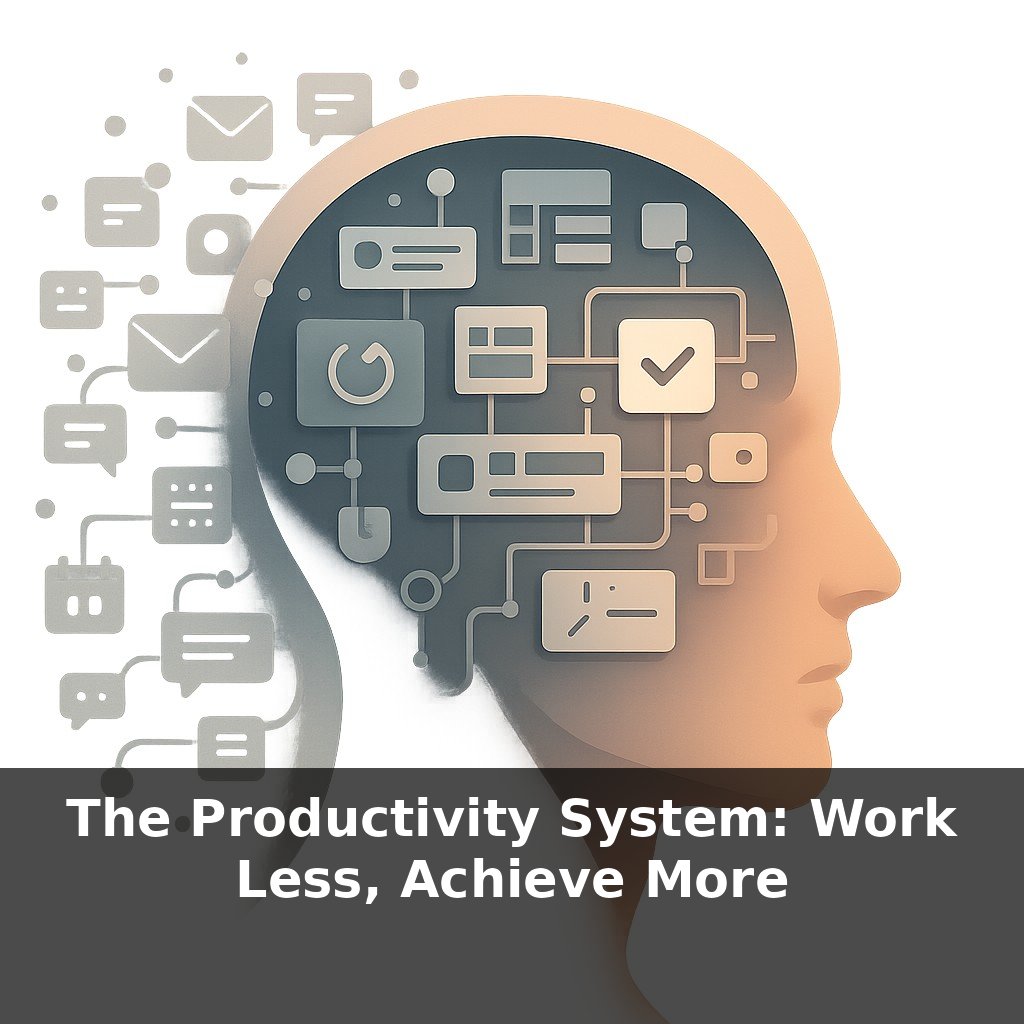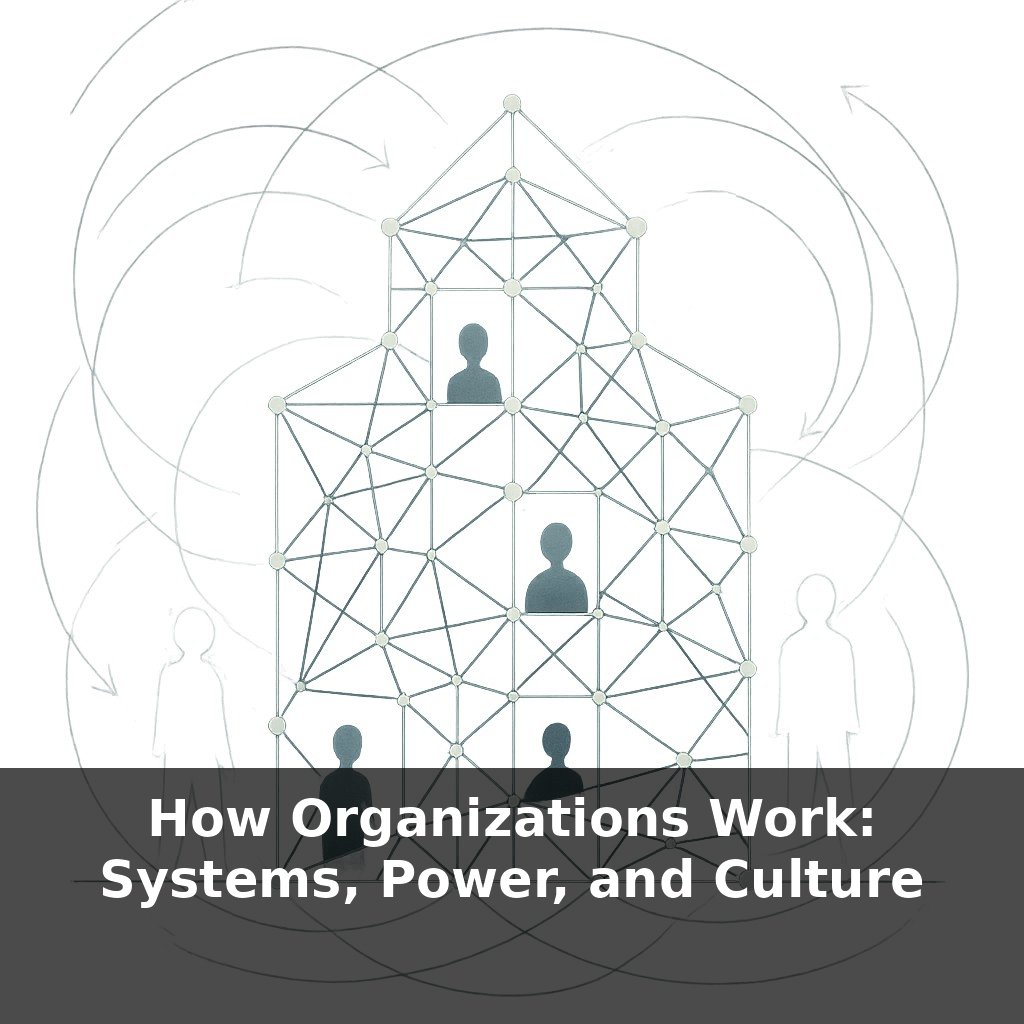
Right now, the average office worker switches screens in well under a minute—yet our best ideas need long, quiet stretches. So how do some people run companies, write books, and still log off on time? In this episode, we’ll pull apart the hidden structure behind those calm workdays.
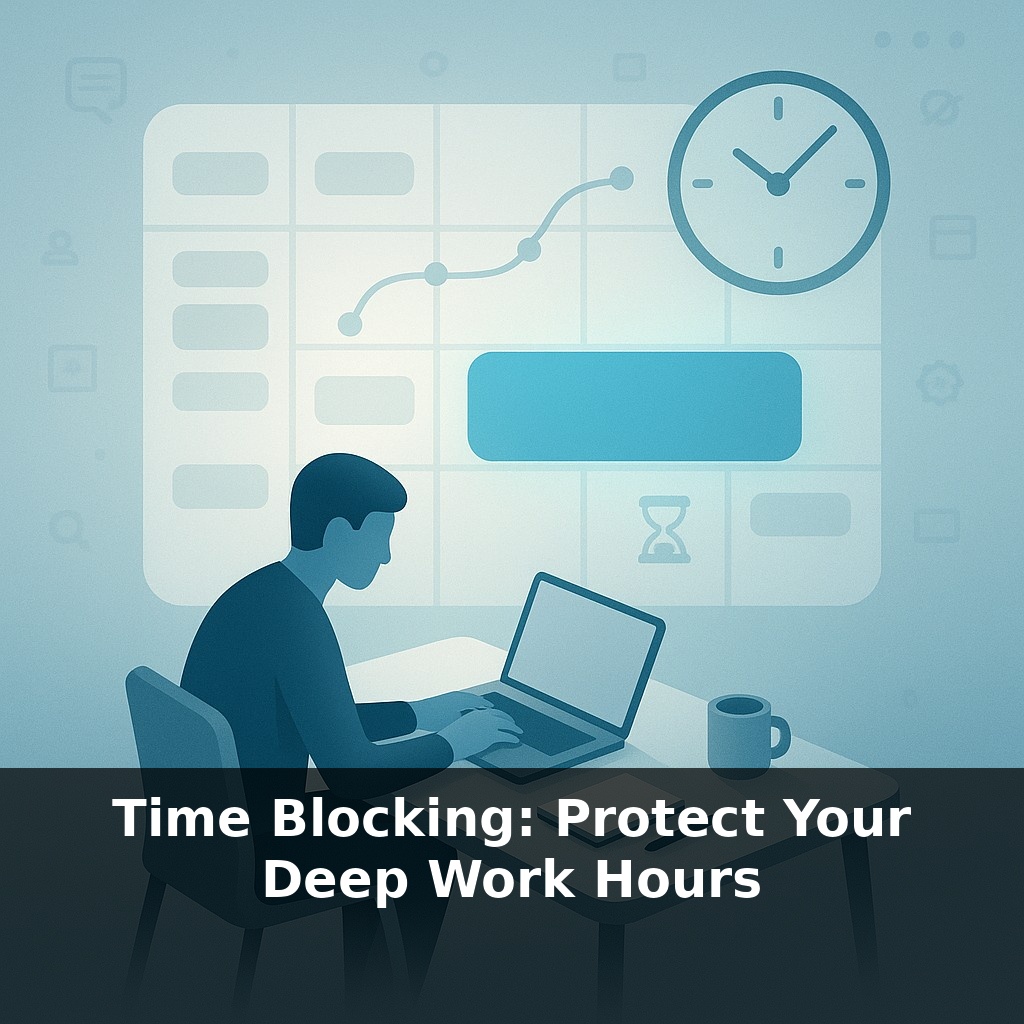
Most people plan their day like a to-do list; top performers plan it like a map. The difference isn’t just aesthetics—it’s whether your important work gets a reserved spot or fights for leftovers. Today we’re zooming in on a simple but powerful idea: blocking your calendar with dedicated focus windows, before other people’s priorities fill the space for you.
Think of your day as a limited number of “high‑energy slots” that you can spend. Email, chat, and quick tasks are surprisingly good at spending those slots without you noticing. Time blocking forces you to decide *in advance* which hours will go to deep, cognitively heavy work—and which will handle everything else.
You’re not just arranging tasks; you’re creating visible, defensible borders around your best attention so others can’t casually claim it.
Deep work hours don’t appear by accident; they survive only if you actively defend them. Research on interruptions shows why: every ping, tap on the shoulder, or “quick question” doesn’t just steal seconds—it taxes your brain’s ability to re-enter complex thinking. Over a day, that cost quietly erases entire focus blocks you thought you had. Time blocking turns those vague hopes of “I’ll get to it this afternoon” into specific, visible promises to yourself. On a shared calendar, those promises also become social signals: this time is taken, just like a booked meeting with your future, more capable self.
Nearly 7 out of 10 people say they don’t get enough uninterrupted focus time, yet most of them *do* have those hours—they’re just scattered into unusable fragments. The problem isn’t total time; it’s calendar entropy.
To turn that chaos into predictable deep-work hours, you need two things: a **default structure** and a **defense strategy**.
Start with structure. Look at a normal week and mark when your brain naturally feels sharpest—this might be 8–11 a.m., or 8–11 p.m. if you’re a night owl. Research doesn’t say “mornings or nothing”; it says “protect your peaks, whenever they happen.” Block 1–2 of those peak hours on at least three days as recurring calendar events. Keep the granularity simple: 30–60 minute blocks are enough; you’re not trying to live like a stopwatch.
Next, assign each block a single “headline task.” Not a project category like “marketing,” but something concrete enough that, if interrupted, you’d know exactly what you were doing: “Draft intro + section 1 of client proposal,” “Refactor billing API error handling.” One block, one clear outcome. This shrinks the “warm-up tax” at the start of each session.
Now, defense. This is where most people quietly give up.
Treat these blocks like meetings with someone more important than your current self: your future self who’s tired but grateful you got the hard part done earlier. Before each block:
- Close obvious distraction windows. - Set status in chat tools to reflect you’re in focus time. - Keep a small “inbox” note beside you for any off-topic thought; jot it down, return to the block.
Notice this doesn’t forbid all communication; it simply **clusters** it. You’re trading constant light availability for scheduled, heavier availability—emails and chats handled in specific windows between deep-work blocks instead of bleeding into them.
This is also where team norms matter. Shopify saw after-hours noise drop when they made focus blocks part of how the *whole company* worked. You may not control company policy, but you can negotiate small norms: “I’ll be heads-down 9–11; I’ll respond to messages right after.” People adapt quickly to consistency.
Over time, you’re not just moving tasks around; you’re training colleagues—and your own brain—to treat your focus hours as non-negotiable infrastructure, not optional decoration on your calendar.
A senior engineer I coached used to “protect” his mornings, but they kept dissolving into reviews and quick syncs. The fix wasn’t heroic willpower; it was **specificity**. He labeled two recurring blocks as “Ship feature X: write tests + core logic.” He shared that exact wording in his team channel every Monday. Within two weeks, people stopped booking over it—they could see something concrete was happening there, not vague “focus time.”
A product manager at a healthcare startup went further. She color‑coded her calendar: **green** for blocks tied to revenue or risk (“update pricing model scenarios”), **blue** for solo admin. Only green could occupy her peak hours; blue was pushed to low‑energy afternoons. That simple visual rule cut her status meetings during prime time by half.
Think of it like reserving a private server in an online game: by naming the session and locking in who it’s for, you make it obvious when drop‑ins are welcome—and when they’re not.
As AI calendars mature, they’ll quietly learn your patterns: which tasks drain you, which meetings spark ideas, when you mentally crash. They’ll start proposing “focus corridors” around fragile work, much like noise‑canceling headphones for your schedule. In a four‑day week, this matters more: output per hour must rise, not stress. Laws like the EU’s right‑to‑disconnect hint at a future where your calendar isn’t just personal preference, but a semi‑protected asset you’re expected—not ashamed—to guard.
Your calendar can become less like a crowded inbox and more like a carefully curated playlist—loud tracks, quiet tracks, and deliberate gaps. Over time, those protected stretches don’t just ship more work; they reveal what *deserves* your best hours. Notice which blocks feel like drag and which feel like flow, then slowly remix your week toward the ones that energize you.
Start with this tiny habit: When you sit down at your desk each morning, drag just one 60-minute “Deep Work” block onto your calendar for today and title it with one specific task (like “Draft intro of client proposal” or “Outline chapter 2”). Then, in that same moment, switch your phone to Do Not Disturb for just the first 10 minutes of that block—nothing more. If that feels easy, nudge the Deep Work block up by 15 minutes each day this week until it sits in your highest-energy time.